
Barbet
Complete UK breed guide
Quick answer
The Barbet is a rare French water dog registered in the KC Gundog Group. It has a dense curly coat, friendly sociable temperament, and moderate exercise needs of around one hour daily. Often cited as lower-shedding. Prone to hip dysplasia and PRA. Lifespan 12 to 14 years. Purchase price typically £1,000 to £2,000.
Quick Facts
- Size
- Medium
- Weight
- 17–28 kg
- Lifespan
- 12–15 years
- Breed Group
- Gundog
- Exercise
- 60–90 mins/day
- Activity Level
- High
- Grooming
- High
- Monthly Cost
- £120–£180/month
- Temperament
- —
- Good with Children
- Yes
- Good with Dogs
- Yes
- Good for First Timers
- Yes
- Suits Flats
- No
Breed Overview
The Barbet is a rare and ancient French water dog with a history stretching back several centuries. Developed to retrieve waterfowl from lakes, rivers and marshes, it is registered by the Kennel Club in the Gundog Group and remains one of the less commonly seen breeds in the UK, which contributes to its appeal for owners seeking something distinctive without eccentricity.
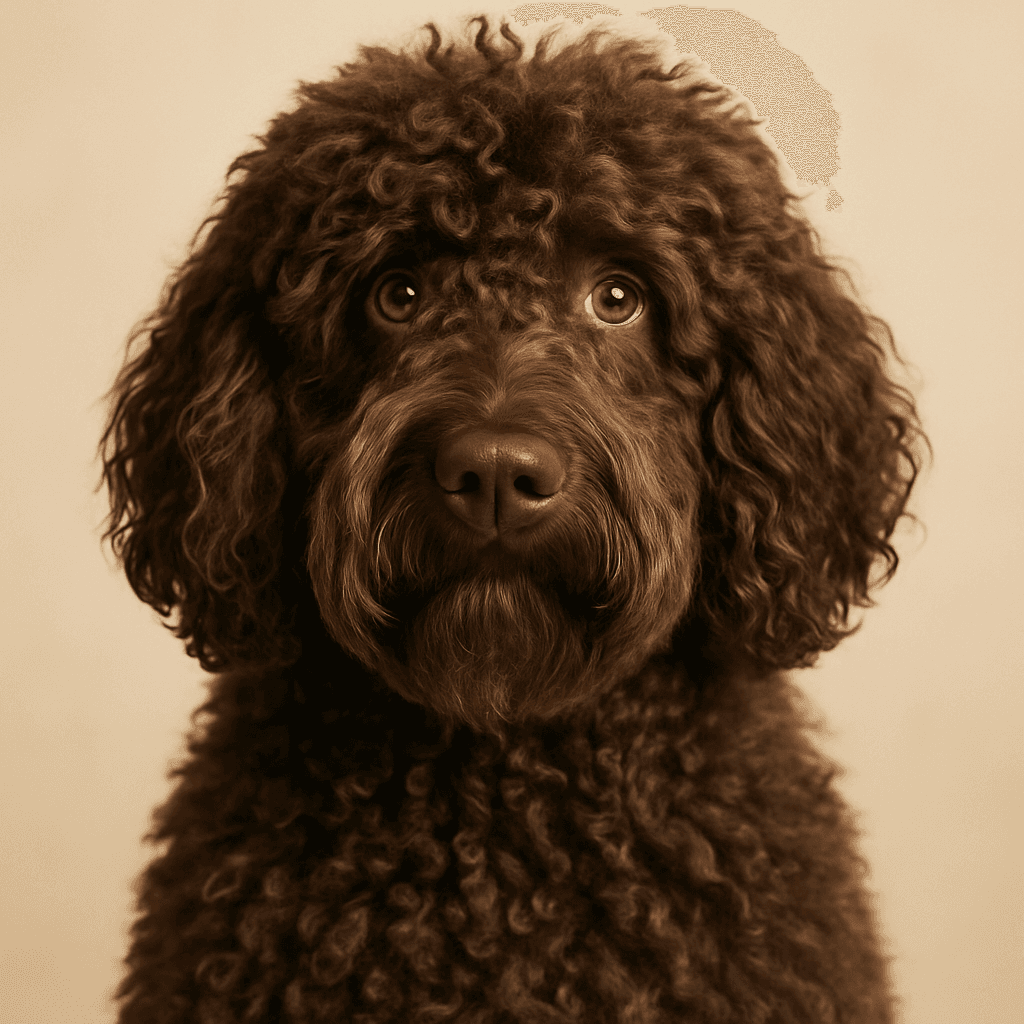
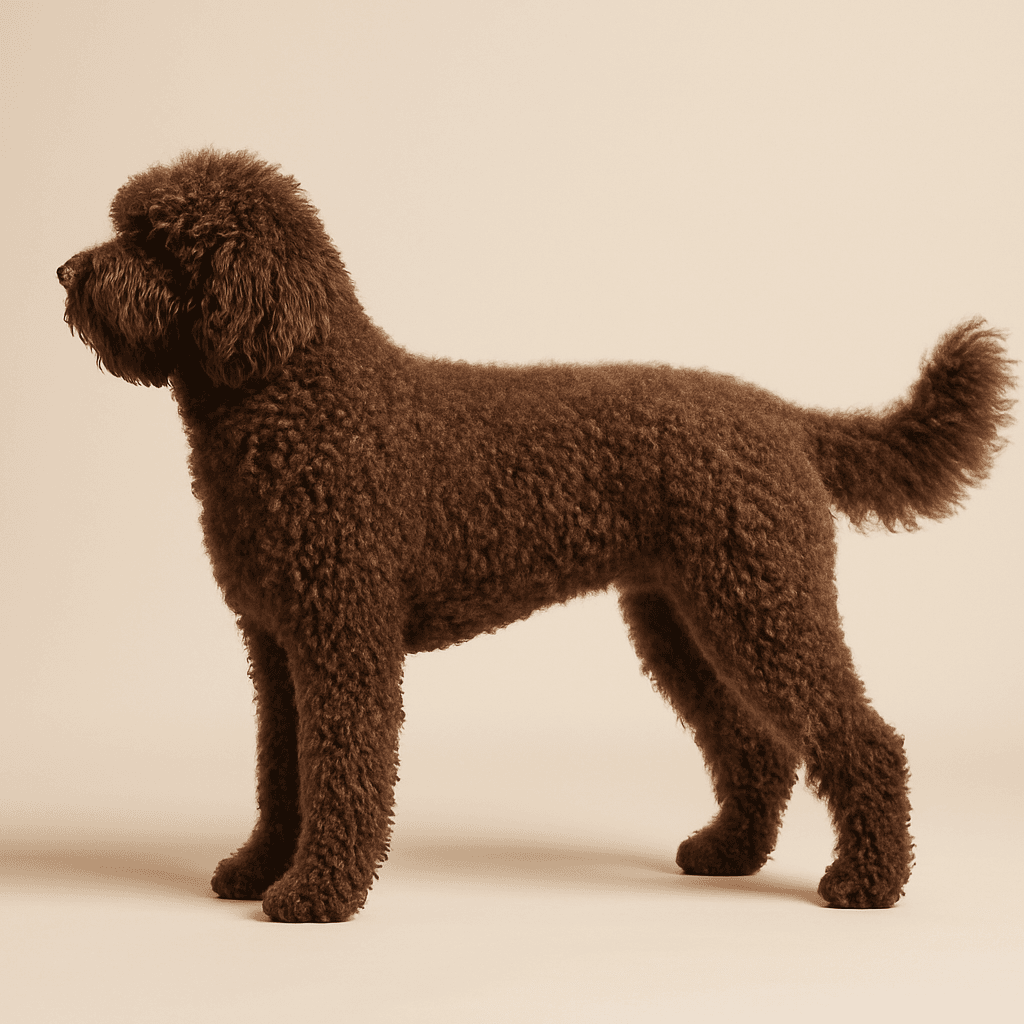
In appearance the Barbet is a medium-sized, solidly built dog covered in a dense, curly or wavy coat that can range from black and brown through to fawn, grey and white. The coat is one of the breed's most distinctive features and requires consistent care to keep it in good condition. It does not shed heavily in the way many double-coated breeds do, and the Barbet is sometimes cited by owners as a more tolerable choice for households sensitive to dog hair, though no breed is truly hypoallergenic.
In character, the Barbet is one of the more straightforwardly pleasant breeds available. It is gentle, friendly and sociable, gets on reliably well with children, and generally has a calm, good-natured attitude towards other dogs and household pets. It is not a guard breed and is not aloof or suspicious. It forms close bonds with its family and is happiest when included in daily household activity rather than left to one side.
Exercise requirements are moderate for a gundog. An adult Barbet needs around one to 1.5 hours of daily activity, ideally with variety. The breed has a genuine affinity for water - swimming is one of the most natural and enjoyable forms of exercise for a Barbet and makes an ideal supplement to daily walks. Retrieving games, scent work and basic gundog training all provide the mental engagement that a working-bred dog needs alongside physical activity.
Training a Barbet is a genuinely rewarding experience. The breed carries the gundog instinct to work closely with its handler and has the intelligence and willingness to respond well to positive, reward-based methods. It is not a breed that tests its owner's patience in the way some terriers or hounds might. Early and thorough socialisation from puppyhood produces confident, well-adjusted adults, and training should begin the week the puppy arrives home.
Grooming is the commitment that prospective owners most commonly underestimate. The dense curly coat mats quickly if neglected, and two to three brushing sessions per week are the minimum requirement. Professional grooming every eight to twelve weeks maintains coat condition and prevents the build-up of tangles near the skin where they are most difficult to address. The Barbet's ears should be cleaned weekly and checked regularly for signs of moisture retention or infection, particularly after swimming.
Health is generally good in the Barbet. Hip dysplasia is the primary orthopaedic concern and responsible breeders should hip-score both parents before breeding. Progressive Retinal Atrophy is present in the breed and DNA testing is available; ask to see test results before purchasing a puppy. Epilepsy has been reported in some lines and is worth discussing with any prospective breeder. Lifespan is typically 12 to 14 years.
Purchase prices from KC-registered breeders typically range from £1,000 to £2,000, reflecting the breed's relative rarity in the UK. Monthly running costs including food, insurance and routine veterinary care average £100 to £180 per month. Insurance typically costs £30 to £60 per month.
For owners who want an affectionate, trainable and distinctive breed with lower shedding than most gundogs, the Barbet is an excellent choice. The commitment required - regular grooming, adequate daily exercise and consistent early training - is real but not exceptional. In return, the Barbet offers a calm, devoted and thoroughly good-natured companion that suits a wide range of households.
The Barbet Club of Great Britain is the primary contact for breed information, responsible breeders and rescue enquiries. Puppy waiting lists can be long given the breed's rarity, and registering interest with the club early is advisable.
Temperament & Personality
The Barbet is a gentle, sociable and affectionate dog. It is good with children and generally gets on well with other dogs and household pets. It is not an anxious breed but forms close bonds with its family and does not enjoy prolonged isolation. It is calm indoors when its exercise needs are met. It is not a guarding breed and greets strangers with open friendliness.
Training
The Barbet is an intelligent, willing breed that responds well to positive, reward-based training. It carries the gundog instinct to work closely with its handler, which makes recall and cooperation generally reliable. Early socialisation covering people, dogs, environments and sounds is important. Short, varied sessions suit the breed well. It is not a breed that tests its owner's patience in the way terriers or hounds might.
Exercise Needs
The Barbet needs around one to 1.5 hours of exercise daily. It loves water and swimming is an ideal supplement to walks. Mental stimulation through retrieving, scent work and gundog activities suits the breed well. Off-lead running in secure areas is beneficial. Without adequate daily exercise and mental engagement the breed will become restless.
Health & Vet Costs
The Barbet is generally a healthy breed. Hip dysplasia is the most commonly reported orthopaedic condition and responsible breeders hip-score both parents. Progressive Retinal Atrophy occurs in the breed and DNA testing is available. Epilepsy has been reported in some lines. Ask breeders for evidence of hip scores and PRA test results before purchasing. Lifespan is typically 12 to 14 years.
Protect your Barbet with the right insurance
Vet costs are rising. Lifetime cover means long-term conditions stay covered for life -- not just 12 months.
Feeding & Nutrition
Feed a complete, balanced adult food appropriate for a medium-sized active breed. The Barbet is not particularly prone to obesity but portion control remains important. Two measured meals daily are recommended for adults. No specific dietary restrictions are documented for the breed beyond general good practice.
Feeding your Barbet
How much to feed, which food types suit this breed, and what to avoid.
Grooming & Care
The Barbet's dense curly coat is the breed's most demanding care requirement. Brushing two to three times per week prevents matting, which can develop quickly if neglected. Professional grooming every eight to twelve weeks is recommended. The coat does not shed heavily but picks up debris outdoors. Ears should be cleaned weekly and dried thoroughly after swimming.
Costs of Ownership
Purchase price from a KC-registered breeder typically ranges from £1,000 to £2,000, reflecting the breed's relative rarity in the UK. Monthly costs including food, insurance and routine veterinary care average £100 to £180 per month. Pet insurance typically costs £30 to £60 per month. Professional grooming adds £40 to £70 every eight to twelve weeks.
Is a Barbet Right for You?
The Barbet suits active families, first-time owners with commitment to grooming, and households seeking a lower-shedding dog. It adapts well to both rural and suburban environments provided exercise needs are met. It is good with children and other dogs. Not suited to owners unable to commit to regular coat maintenance or those away from home for long periods.
Related Guides
Free newsletter
Get the weekly guide for UK dog owners
Breed spotlights, training tips and health advice delivered every week.