Basset Griffon Vendeen (Grand)
Complete UK breed guide
Quick answer
The Grand Basset Griffon Vendeen (GBGV) is a large French scenthound registered in the KC Hound Group. It is active, independent and pack-oriented with strong hunting instincts. Exercise needs are 1.5 to two hours daily in secure areas. Prone to epilepsy and eye conditions. Lifespan 11 to 14 years. Purchase price £800 to £1,500.
Quick Facts
- Size
- Medium
- Weight
- 18–20 kg
- Lifespan
- 13–15 years
- Breed Group
- Hound
- Exercise
- 45–60 mins/day
- Activity Level
- Moderate
- Grooming
- Moderate
- Monthly Cost
- £100–£160/month
- Temperament
- —
- Good with Children
- Yes
- Good with Dogs
- Yes
- Good for First Timers
- No
- Suits Flats
- No
Breed Overview
The Grand Basset Griffon Vendeen - known in breed circles as the GBGV - is a large, rugged French scenthound developed in the Vendee region of France for hunting over difficult terrain. Registered by the Kennel Club in the Hound Group, it is one of two Basset Griffon Vendeen varieties recognised in the UK alongside the smaller Petit, and is considerably less common. For owners drawn to working hound breeds with authentic history and strong character, the GBGV is a compelling choice.
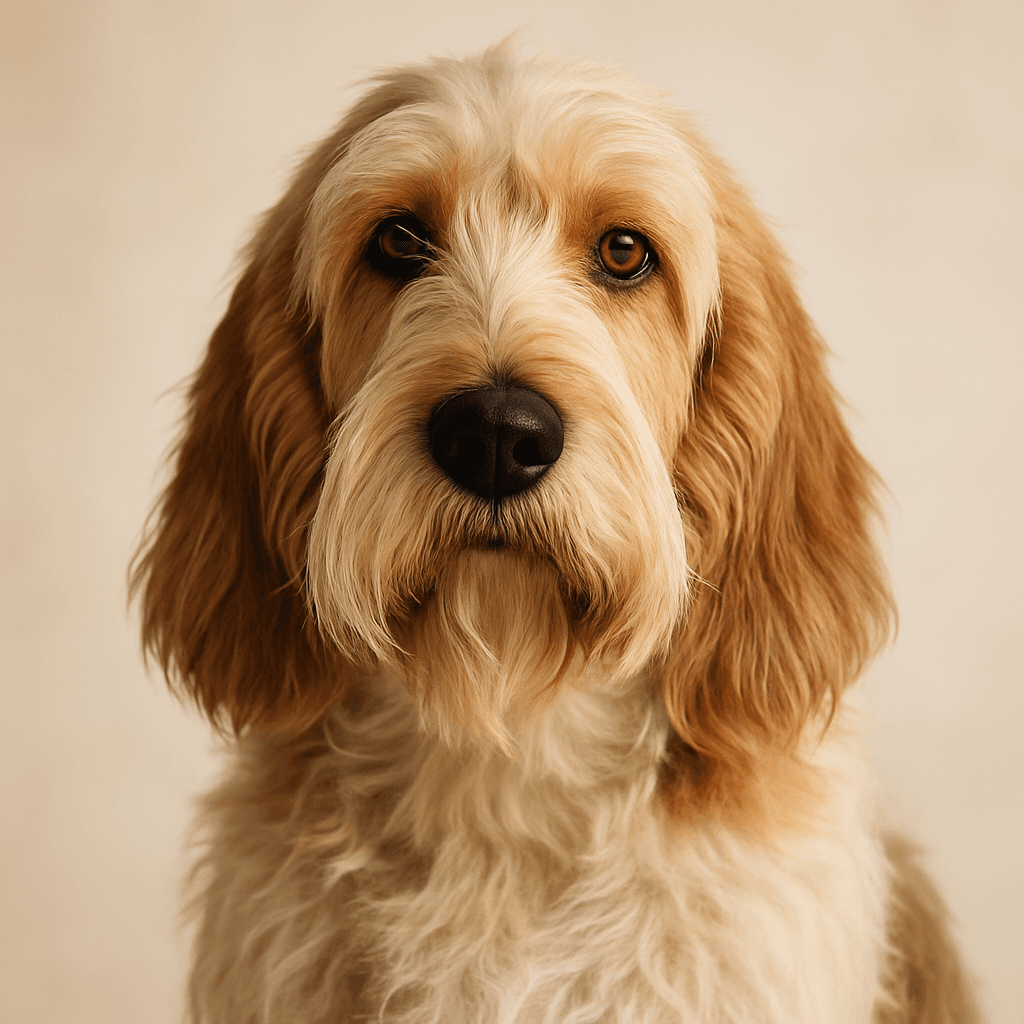
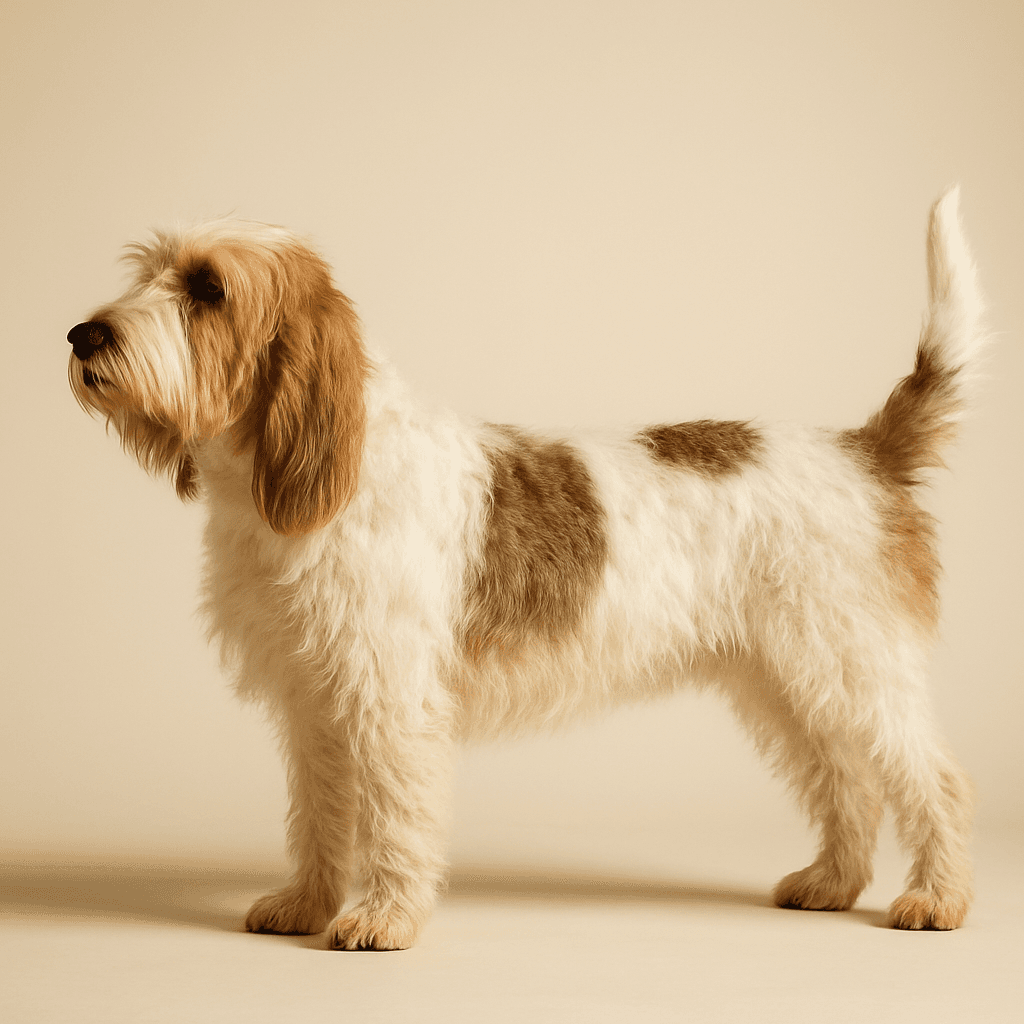
The breed's appearance is immediately striking: a large, muscular dog with a rough, shaggy double coat, long drooping ears, bushy eyebrows and a beard that gives it a permanently cheerful, slightly dishevelled expression. Despite the word "basset" suggesting a low-energy plodder, the GBGV is a high-endurance hunting breed built for long days in rough country. The appearance and the reality of owning one require some adjustment.
In character, the Grand Basset Griffon Vendeen is energetic, bold, confident and sociable. It has the open, friendly temperament typical of pack-hunting hounds - it bonds well with its family and is reliably good with children and other dogs. Its pack heritage means it generally welcomes canine company rather than competing with it. It is not a guarding breed and greets most strangers with characteristic hound openness.
The independence is the primary ownership consideration. The GBGV was developed to work at distance from its handler, following a scent trail using its own judgement. This is not a breed that defers to its owner when an interesting smell is in play. Training must start early, be consistent and use positive methods throughout. Recall, in particular, requires significant investment: a GBGV on a scent trail in open country is at genuine risk if not in an enclosed area.
Exercise needs are substantial. An adult GBGV needs 1.5 to two hours of vigorous daily exercise. It has the stamina of a genuine working hound and requires proper off-lead running in secure areas, not just lead walks. Scent work, tracking and nose activities provide the mental engagement that a hunting breed needs alongside physical output. A GBGV with unmet exercise needs will become vocal, restless and destructive.
The coat is low maintenance by rough-coated standards but still requires consistent attention. Brushing two to three times per week removes debris and prevents matting. Professional grooming or hand-stripping every three to four months maintains coat condition. Ears should be cleaned weekly, and feet should be checked for trapped debris after exercise in rough terrain.
Epilepsy is the most significant health concern in the breed and prospective buyers must ask breeders directly about epilepsy history in their lines. Eye conditions including Persistent Pupillary Membranes and Meibomian Gland disease are also documented, and eye testing of breeding stock is recommended. Hip scoring of breeding parents should be confirmed. Lifespan is typically 11 to 14 years.
Purchase prices from reputable breeders range from £800 to £1,500. Monthly running costs average £100 to £170. Insurance typically costs £30 to £60 per month.
The GBGV is not a breed for passive owners or those who find an independent, vocal and energetic hound challenging. For owners who want a genuine working hound with character, sociability and stamina, who can provide the exercise and management it needs, it is a deeply rewarding companion.
The Grand Basset Griffon Vendeen Club of Great Britain is the primary resource for breed information, responsible breeders and rescue contact.
Temperament & Personality
The Grand Basset Griffon Vendeen is energetic, bold and sociable. It has the typical hound confidence and friendliness and gets on well with other dogs given its pack hunting heritage. It is affectionate with its family but independent in character. It has a loud, full hunting voice and will use it, making it unsuitable for noise-sensitive living environments.
Training
The GBGV is an independent, strong-willed hound that requires patient, consistent training using positive reward-based methods. Recall is a priority and must be trained extensively from puppyhood. The breed is not biddable in the way working gundogs are. Early and wide socialisation produces well-adjusted adults. The breed's vocal nature should be managed from an early age.
Exercise Needs
The Grand Basset Griffon Vendeen needs 1.5 to two hours of vigorous exercise daily. It is a high-endurance breed requiring proper off-lead running in secure areas alongside lead walks. Scent work, tracking and activities that engage the nose supplement physical exercise well and provide the mental engagement a working hound needs. Secure fencing is essential given powerful hunting instincts.
Health & Vet Costs
Epilepsy occurs at elevated rates in the GBGV and is the primary health concern. Eye conditions including Persistent Pupillary Membranes and Meibomian Gland disease are documented in the breed. Hip dysplasia occurs and hip scoring of breeding stock is recommended. Responsible breeders test for eye conditions and are transparent about epilepsy history. Lifespan is typically 11 to 14 years.
Protect your Basset Griffon Vendeen (Grand) with the right insurance
Vet costs are rising. Lifetime cover means long-term conditions stay covered for life -- not just 12 months.
Feeding & Nutrition
Feed a complete, balanced adult food appropriate for a large active breed. The GBGV has an active metabolism and requires adequate calories to support its energy levels. Measure portions carefully and avoid over-feeding, as obesity stresses joints in a large, active hound. Two measured meals daily are recommended.
Feeding your Basset Griffon Vendeen (Grand)
How much to feed, which food types suit this breed, and what to avoid.
Grooming & Care
The rough double coat of the GBGV requires brushing two to three times per week to prevent matting and remove field debris. Professional grooming or hand-stripping every three to four months maintains coat condition. Ear cleaning should be performed weekly. Check between the toes for debris after exercise in fields and rough ground.
Costs of Ownership
Purchase price from a reputable breeder typically ranges from £800 to £1,500. Monthly costs including food, insurance and routine veterinary care average £100 to £170 per month for this larger breed. Pet insurance typically costs £30 to £60 per month. Professional grooming adds cost every three to four months.
Is a Basset Griffon Vendeen (Grand) Right for You?
The GBGV suits active experienced owners or confident first-time owners with active lifestyles and secure outdoor space. It is good with children and other dogs given its pack-hunting heritage. It needs secure fencing, consistent daily exercise and a patient handler. Not suited to flat or urban living without adequate exercise provision or households with small pets.
Related Guides
Free newsletter
Get the weekly guide for UK dog owners
Breed spotlights, training tips and health advice delivered every week.