Basset Hound
Complete UK breed guide
Quick answer
The Basset Hound is a low-slung, gentle French scenthound registered in the KC Hound Group. It requires careful weight management, regular ear cleaning and monitoring for IVDD and joint problems. Exercise 30 to 60 minutes daily at moderate pace. Lifespan 10 to 12 years. Purchase price £800 to £1,500. Insurance £50 to £100 per month.
Quick Facts
- Size
- Medium
- Weight
- 18–30 kg
- Lifespan
- 10–12 years
- Breed Group
- Hound
- Exercise
- 30–45 mins/day
- Activity Level
- Low
- Grooming
- Low
- Monthly Cost
- £100–£160/month
- Temperament
- —
- Good with Children
- Yes
- Good with Dogs
- Yes
- Good for First Timers
- Yes
- Suits Flats
- No
Breed Overview
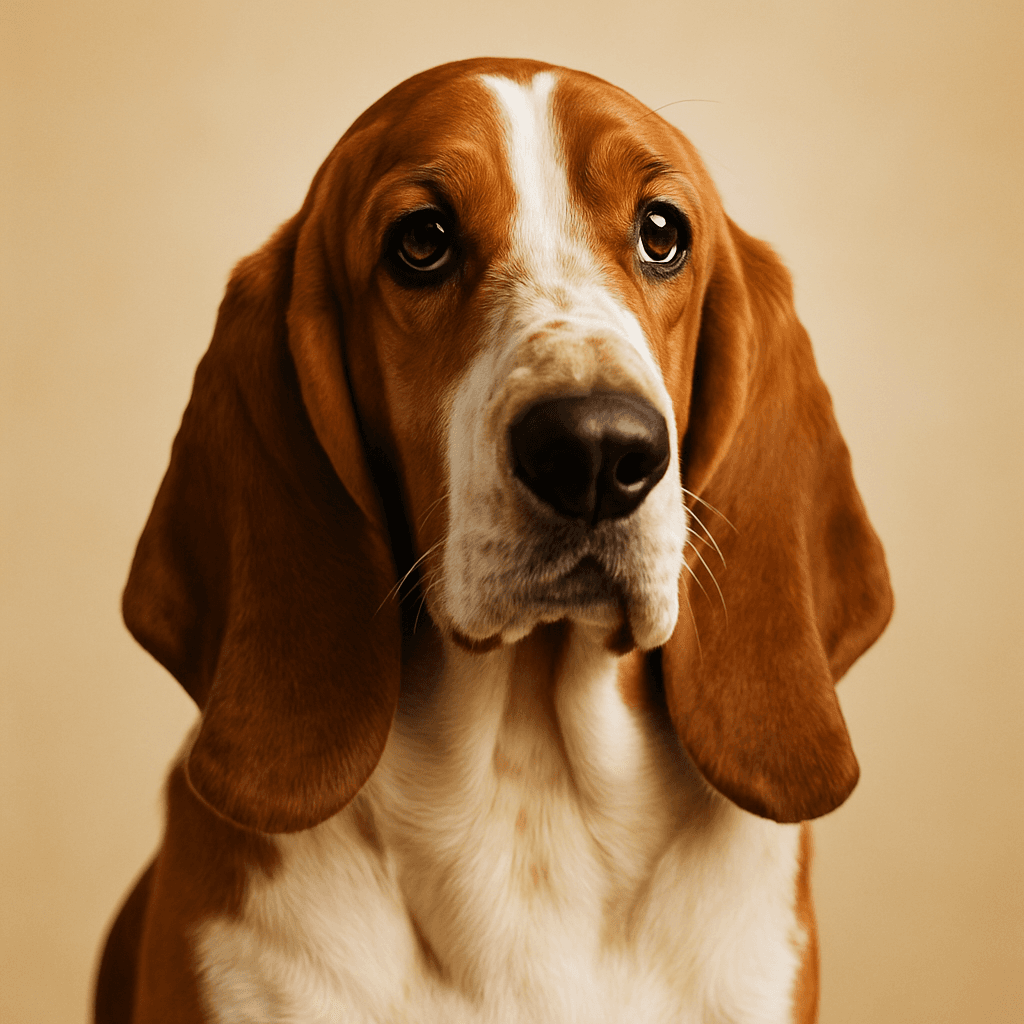
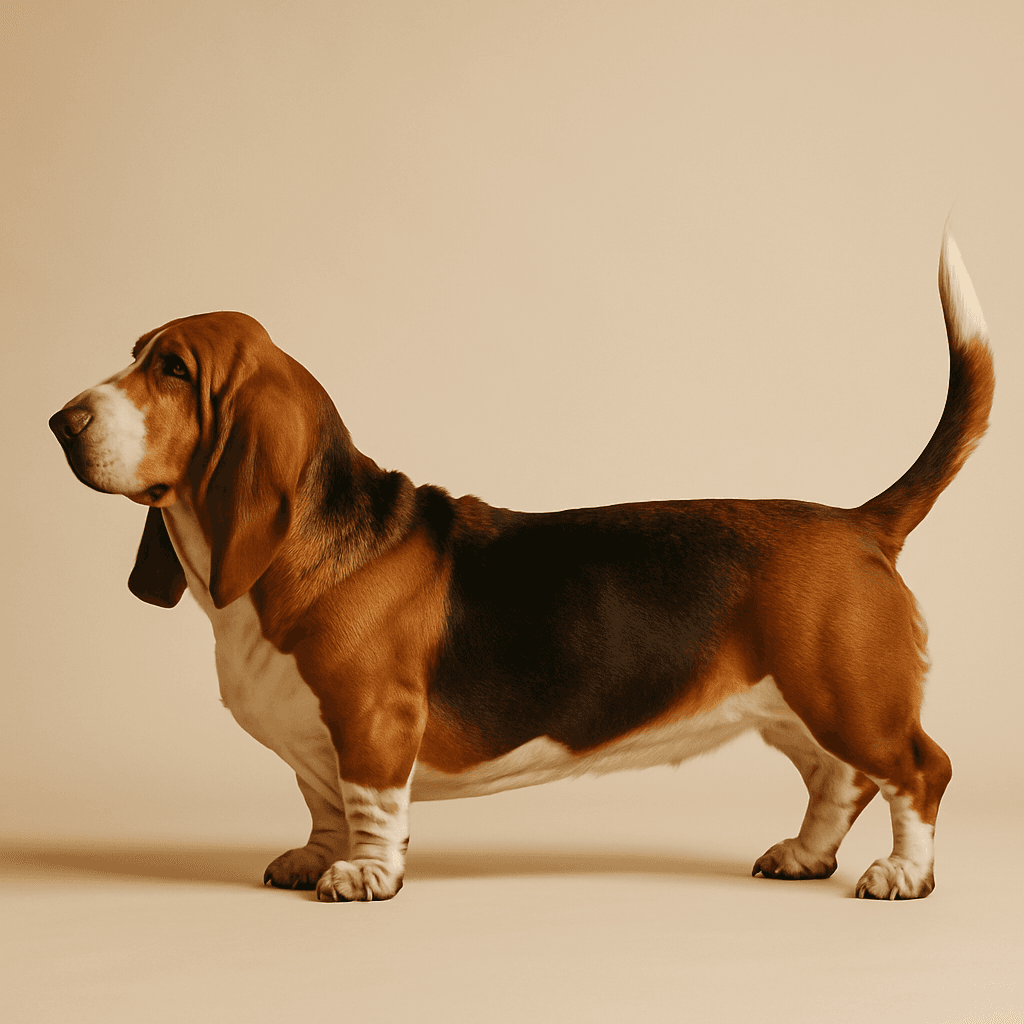
The Basset Hound is one of the most recognisable breeds in the world: low-slung, long-eared, loose-skinned and possessed of an expression of such profound mournfulness that it has made the breed a reliable choice for advertising campaigns and popular culture for over a century. Behind that famous face is a genuinely affectionate, gentle and sociable dog - but also a breed with a specific health profile and care requirements that must be fully understood before purchase.
Registered by the Kennel Club in the Hound Group, the Basset Hound was developed in France and Belgium as a slow-moving tracking hound whose low carriage and exceptional nose made it ideal for hunters following on foot. The name derives from the French word "bas" meaning low, and the breed's characteristic ground-hugging build was a deliberate design for hunting through dense cover where a faster, taller hound could not operate effectively.
In the home, the Basset Hound is a thoroughly pleasant companion. It is calm, gentle and deeply affectionate with its family. It is one of the more reliably child-friendly breeds available - patient, unhurried and rarely reactive - and its sociable, pack-oriented nature means it generally gets on well with other dogs. It is not an anxious or aggressive breed.
The character has a well-known other side. The Basset Hound is stubborn in a specific, gentle way. When its nose catches an interesting scent, instructions become irrelevant. Recall in open country is not reliable. The breed also has a voice - a full, resonant hound's bay that it uses freely when excited, when isolated, or when a scent demands vocal commentary. In a terrace with close neighbours, this characteristic requires early management.
Weight management is the most critical ongoing welfare commitment. The Basset Hound has a voracious appetite and a strong tendency to gain weight when given the opportunity. Obesity in a breed with a long spine, short legs and heavy build dramatically accelerates joint problems and intervertebral disc disease. Every meal should be measured and treats minimised. A healthy Basset Hound at correct weight looks leaner than most owners expect.
Ear care is the second non-negotiable commitment. The long, pendulous ears fold over the ear canal, creating an environment with poor airflow, warmth and moisture - ideal conditions for bacterial and yeast infections. Ears must be cleaned at minimum once per week and dried thoroughly after any water exposure. Neglected ears lead to repeated infections, chronic pain and eventually permanent damage.
Intervertebral Disc Disease is the most serious health risk. The long spine and low build create predisposition to disc herniation, which can range from pain and mobility loss to paralysis. Symptoms include reluctance to move, crying out when touched along the spine, hind leg weakness or dragging, and loss of bladder or bowel control. These are veterinary emergencies requiring immediate attention. Keeping weight at correct levels and avoiding high-impact activities for young puppies are the primary preventive measures.
Additional health considerations include entropion and ectropion affecting the eyes, hip and elbow dysplasia, and Basset Hound Thrombopathia - a hereditary platelet function disorder. Insurance of £50 to £100 per month reflects the breed's elevated risk profile. Purchase prices from KC-registered breeders range from £800 to £1,500. Lifespan is typically 10 to 12 years.
The Basset Hound is a rewarding companion for owners who go in with clear eyes on the health picture and commit to ear care, weight management and appropriate exercise. It is emphatically not a low-maintenance choice despite its relaxed disposition.
Basset Hound rescue is available through the Basset Hound Club and Basset Hound Rescue UK. Adult rescue dogs, complete with veterinary histories, are regularly available and are a particularly sensible option for a breed where prior health records are genuinely informative.
Temperament & Personality
The Basset Hound is gentle, affectionate, placid and enormously sociable. It is excellent with children, reliably good with other dogs and generally calm in the home. It has a proper hound voice: it howls, bays and vocalises freely, particularly when left alone or when excited by a scent. It is stubborn in its own gentle way and will follow its nose regardless of instructions when outdoors.
Training
The Basset Hound is a gentle, good-natured dog that responds well to patient, reward-based training. It is not a fast learner and lacks the responsiveness of working breeds, but will learn with consistency. The nose dominates its attention and recall outdoors is genuinely unreliable when a scent is present - this is a breed characteristic rather than a training failure. Keep sessions short, positive and realistic.
Exercise Needs
The Basset Hound needs 30 to 60 minutes of moderate daily exercise, split across two outings. Over-exercising in puppyhood causes joint damage given the breed's heavy build and short legs. Adults benefit from regular walks at a gentle to moderate pace. Swimming is an excellent low-impact exercise option. Recall is unreliable when a scent is present and the breed should be kept on lead in open areas.
Health & Vet Costs
The Basset Hound has a significant health risk profile that prospective owners must understand fully. Intervertebral Disc Disease (IVDD) is a serious concern given the breed's long spine and low-slung build; disc herniation can cause pain, mobility loss and paralysis. Hip and elbow dysplasia occur. The pendulous skin and loose eye structure create predisposition to entropion and ectropion, both of which may require surgical correction. Basset Hound Thrombopathia, a hereditary platelet disorder, occurs in the breed. Ear infections are almost universal if ear care is neglected. Obesity is a primary welfare concern. Insurance of £50 to £100 per month reflects this elevated risk profile. Lifespan is typically 10 to 12 years.
Protect your Basset Hound with the right insurance
Vet costs are rising. Lifetime cover means long-term conditions stay covered for life -- not just 12 months.
Feeding & Nutrition
Diet management is critical for the Basset Hound. The breed has a strong tendency to gain weight, and obesity dramatically worsens the joint and spinal problems to which it is already predisposed. Feed measured portions of a complete adult food, avoid high-calorie treats, and weigh the dog monthly. Two meals daily are recommended. Free-feeding must be avoided.
Feeding your Basset Hound
How much to feed, which food types suit this breed, and what to avoid.
Grooming & Care
The short coat requires only weekly brushing. The primary grooming commitment is ear care: the long, low-set ears create a warm, moist, enclosed channel that is highly prone to infection. Ears must be cleaned at least weekly and dried thoroughly after any water exposure. Facial skin folds around the eyes and muzzle should be cleaned and dried regularly. Nails must be trimmed frequently as the low-slung posture means they wear unevenly.
Costs of Ownership
Purchase price from a KC-registered breeder typically ranges from £800 to £1,500. Monthly costs including food, insurance and routine veterinary care average £120 to £200 per month. Pet insurance typically costs £50 to £100 per month, reflecting the breed's significant health risk profile. Ear treatments, orthopaedic care and potential IVDD treatment add to lifetime veterinary costs.
Is a Basset Hound Right for You?
The Basset Hound suits less active owners, families and those wanting a calm, affectionate companion. It is excellent with children and reliably good with other dogs. It is not suited to very active households expecting an athletic dog, or to owners unable to commit to regular ear care, strict weight management and an honest understanding of the breed's health profile.
Related Guides
Free newsletter
Get the weekly guide for UK dog owners
Breed spotlights, training tips and health advice delivered every week.