Belgian Shepherd Dog (Groenendael)
Complete UK breed guide
Quick answer
The Groenendael is the long-coated black variety of the Belgian Shepherd. Highly intelligent, loyal and driven, it needs an experienced owner, two or more hours of vigorous daily exercise, and ongoing mental stimulation through training or sport.
Quick Facts
- Size
- Large
- Weight
- 20–30 kg
- Lifespan
- 12–14 years
- Breed Group
- Pastoral
- Exercise
- 90–120 mins/day
- Activity Level
- very high
- Grooming
- High
- Monthly Cost
- £120–£190/month
- Temperament
- —
- Good with Children
- Yes
- Good with Dogs
- Yes
- Good for First Timers
- No
- Suits Flats
- No
Breed Overview
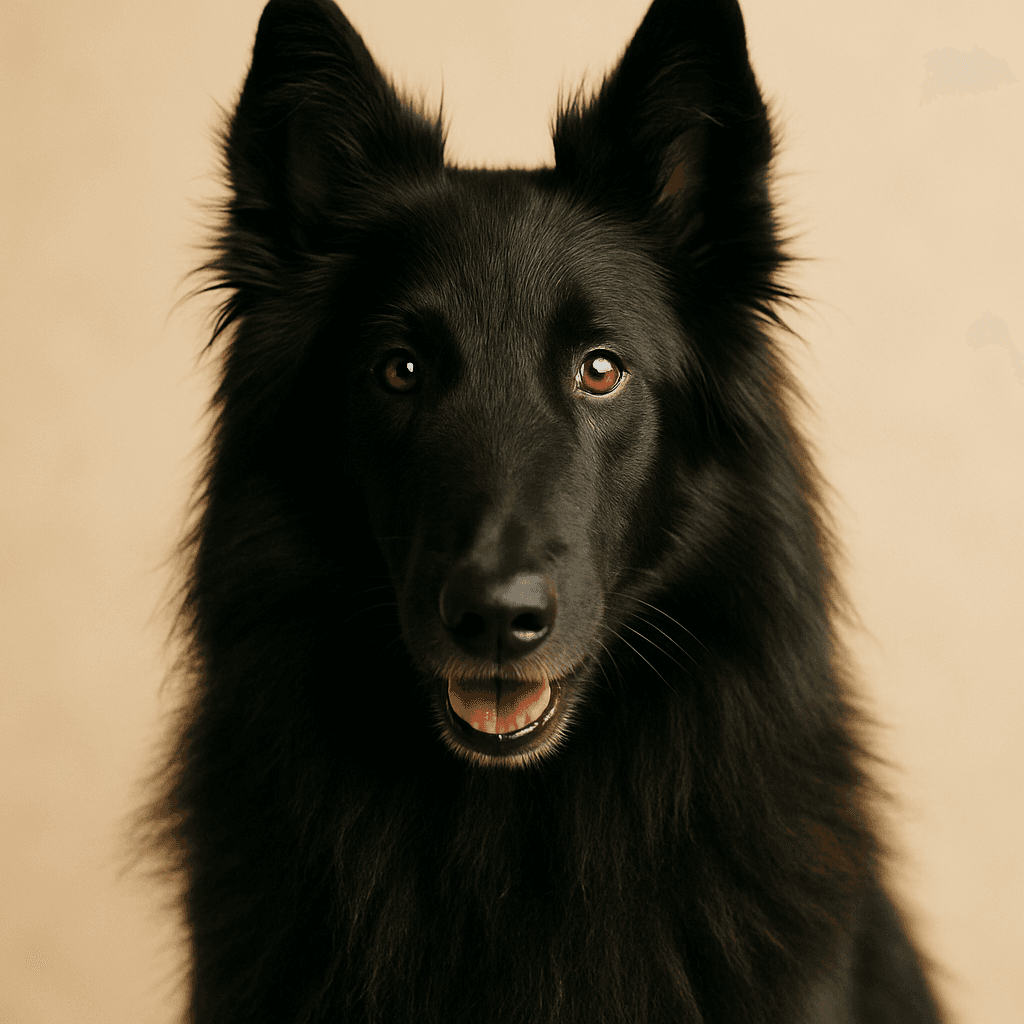
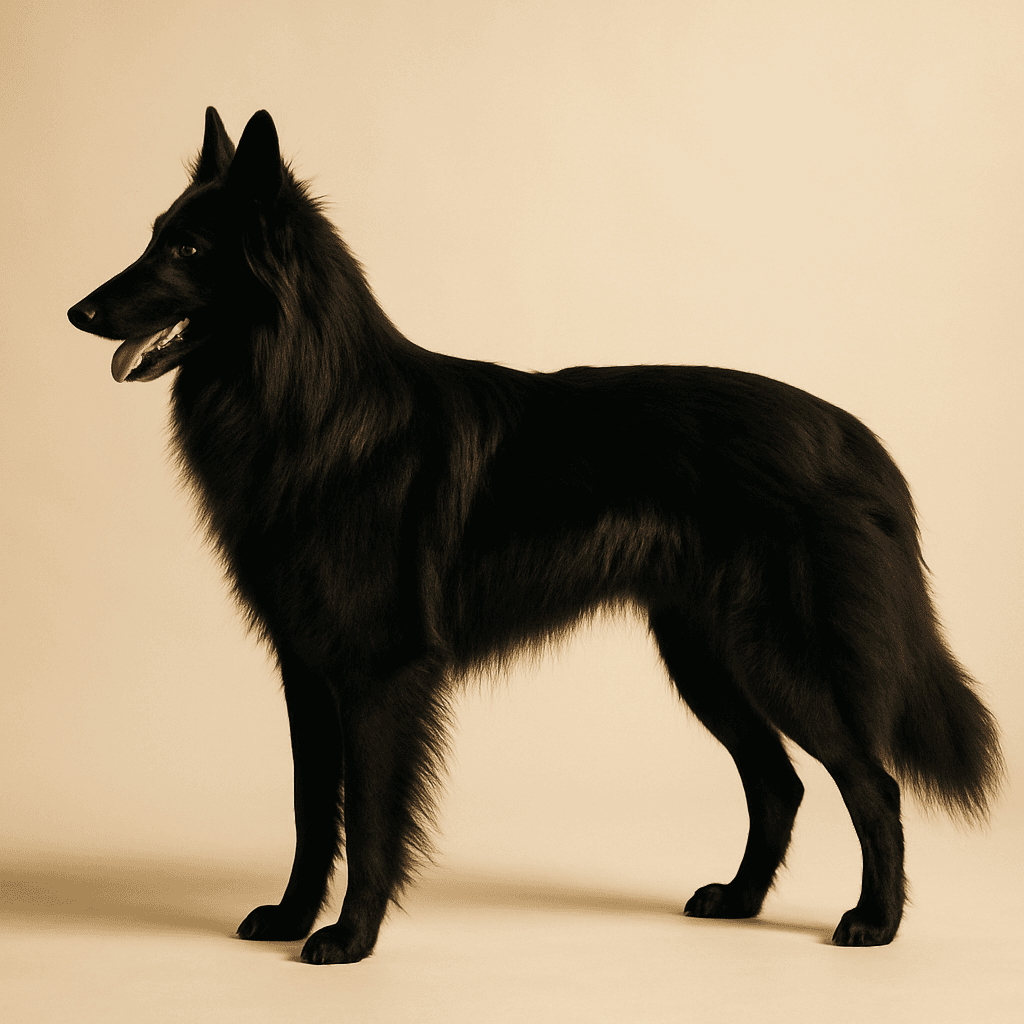
The Belgian Shepherd Dog Groenendael is the long-coated black variety of the four Belgian Shepherd types, registered by the Kennel Club in the Working Group. It takes its name from the Groenendael estate near Brussels where the variety was developed in the late nineteenth century by breeder Nicolas Rose. In appearance it is one of the most striking herding breeds: a medium-large, athletic dog with a dense, long black double coat, alert triangular ears and an expression of focused, intelligent intensity.
The Belgian Shepherd types - Groenendael, Malinois, Tervuren and Laekenois - share a common working heritage and many core characteristics, but the Groenendael is generally considered among the most widely kept of the four in the UK. Its appearance is commanding and its personality is one of the most demanding in the herding group.
In character, the Groenendael is intense, loyal and highly driven. It forms a very close bond with its primary handler or family and is capable of a depth of partnership that is genuinely impressive. It is not a breed that distributes its affections widely or tolerates indifference. When its needs are fully met, it is an outstanding companion and working partner. When they are not, the consequences are significant.
The exercise requirement is among the highest in the Working Group. An adult Groenendael needs a minimum of two hours of vigorous daily exercise, split across sessions. Physical exercise alone is insufficient. The breed has a working herding dog's intelligence and drive, and needs mental engagement alongside physical output. Agility, obedience, herding trials, tracking, scent work and protection sports all provide the structured challenge that this breed thrives on. A Groenendael without adequate physical and mental stimulation becomes restless, anxious and potentially destructive.
The intensity of the breed's instincts is the central ownership consideration. Herding behaviour - circling, chasing moving objects, nipping at heels - can be strong and may express towards running children, cyclists and other animals if not managed through training. The alert watchdog instinct is highly developed. Reactivity towards strangers and unfamiliar dogs requires thorough early socialisation to keep within appropriate limits. These are not flaws; they are working characteristics that require an experienced owner who understands how to manage and channel them.
Training is where the Groenendael genuinely shines in the right hands. This is one of the most capable and trainable breeds available. It has the intelligence to learn complex tasks quickly, the memory to retain them, and the drive to perform them with focus and enthusiasm. Positive, reward-based methods are the most effective approach. Correction-based training creates anxiety and resistance in a breed of this sensitivity. The most accomplished Groenendaels are worked by handlers who have invested years in building the relationship that unlocks the breed's full potential.
Socialisation from puppyhood is essential. The Groenendael's natural wariness of strangers and strong territorial instincts require broad, consistent exposure to different people, animals, environments and situations from the earliest age. Gaps in socialisation become harder to address as the dog matures.
Grooming the long dense black coat requires three to four brushing sessions per week. Seasonal moults produce significant shedding and daily brushing becomes necessary during those periods. Professional grooming every eight to twelve weeks maintains coat condition.
Hip dysplasia is the primary orthopaedic health concern and both parents should be hip-scored before breeding. Elbow scoring is additionally recommended. Progressive Retinal Atrophy occurs in Belgian Shepherd lines and DNA testing is available. Epilepsy has been reported in some lines. Lifespan is typically 12 to 14 years.
Purchase prices from KC-registered breeders range from £800 to £1,500. Insurance of £35 to £70 per month reflects a moderate to elevated risk profile. Monthly running costs average £150 to £250.
The Groenendael is one of the most capable working dogs available, but it is categorically not a breed for inexperienced owners, passive households or anyone who cannot commit to two or more hours of vigorous daily exercise and ongoing training. For experienced handlers who can match its needs, it is a breed of exceptional intelligence, loyalty and working ability.
The Belgian Shepherd Dog Club of Great Britain is the primary resource for breed information, responsible breeders and rescue contact.
Temperament & Personality
Intensely loyal to its family, alert, confident and highly driven. Can be reserved or watchful with strangers. Strong working instincts - herding, protection and tracking are natural behaviours. Bonds very deeply with its primary handler. Not suited to passive ownership.
Training
Highly intelligent and trainable but requires an experienced handler. Excels at advanced obedience, agility, herding, tracking and protection work. Positive reward-based methods work best. Training must begin immediately and continue throughout life. Early socialisation is non-negotiable.
Exercise Needs
Minimum two hours vigorous exercise daily, split across sessions. Needs off-lead running in secure areas plus mental engagement. Excels at herding, agility, obedience, tracking and protection sports. Mental stimulation is as important as physical output for this breed.
Health & Vet Costs
Hip dysplasia is the primary concern - both parents should be hip scored. Elbow scoring is also recommended. Progressive Retinal Atrophy occurs in the breed; DNA testing is available. Epilepsy has been reported in some lines. Lifespan 12-14 years. Insurance £35-£70/mo.
Protect your Belgian Shepherd Dog (Groenendael) with the right insurance
Vet costs are rising. Lifetime cover means long-term conditions stay covered for life -- not just 12 months.
Feeding & Nutrition
Feed a high-quality complete food suited to size and activity level. Adults typically need 300-450g of dry food daily depending on weight and exercise. Avoid overfeeding - monitor body condition closely. Two meals daily reduces bloat risk. Fresh water always available.
Feeding your Belgian Shepherd Dog (Groenendael)
How much to feed, which food types suit this breed, and what to avoid.
Grooming & Care
The long dense double coat requires brushing three to four times per week. During seasonal moults (spring and autumn) daily brushing is needed to manage shedding. Professional grooming every eight to twelve weeks. Check ears weekly. Trim nails monthly.
Costs of Ownership
Purchase price from KC-registered breeders: £800-£1,500. Monthly costs: food £40-£70, insurance £35-£70/mo, routine vet care. Total monthly average £150-£250. Hip and eye testing of parents should be confirmed before purchase.
Is a Belgian Shepherd Dog (Groenendael) Right for You?
Best suited to experienced dog owners who understand high-drive working breeds. Suitable for active households with secure gardens. Not recommended for first-time owners, families with very young children without supervision, or those who cannot provide two or more hours of daily vigorous exercise.
Related Guides
Free newsletter
Get the weekly guide for UK dog owners
Breed spotlights, training tips and health advice delivered every week.