Border Collie
Complete UK breed guide
Quick answer
Border Collies are widely regarded as the most intelligent dog breed in the world, registered in the KC Pastoral Group. They need two or more hours of exercise daily plus substantial mental stimulation, and are not suited to flats or inactive households. Key health tests include CEA, hip scoring and TNS. Expect monthly costs of £115 to £215, with a lifespan of 12 to 15 years.
Quick Facts
- Size
- Medium
- Weight
- 12–20 kg
- Lifespan
- 12–15 years
- Breed Group
- Pastoral
- Exercise
- 120–150 mins/day
- Activity Level
- Very High
- Grooming
- Moderate
- Monthly Cost
- £70–£130/month
- Temperament
- Intelligent, Energetic, Sensitive
- Good with Children
- Yes
- Good with Dogs
- Yes
- Good for First Timers
- No
- Suits Flats
- No
Pros & Cons
Pros
- World-renowned intelligence
- Highly responsive to training
- Long lifespan for a medium breed
- Thrives in active rural or outdoor households
- Deep loyalty to their owner
Things to Consider
- Not suitable for first-time owners
- Needs intense daily exercise and mental stimulation
- May try to herd children or other animals
- Can develop OCD behaviours without structure
- Anxious or destructive if under-stimulated
Breed Overview
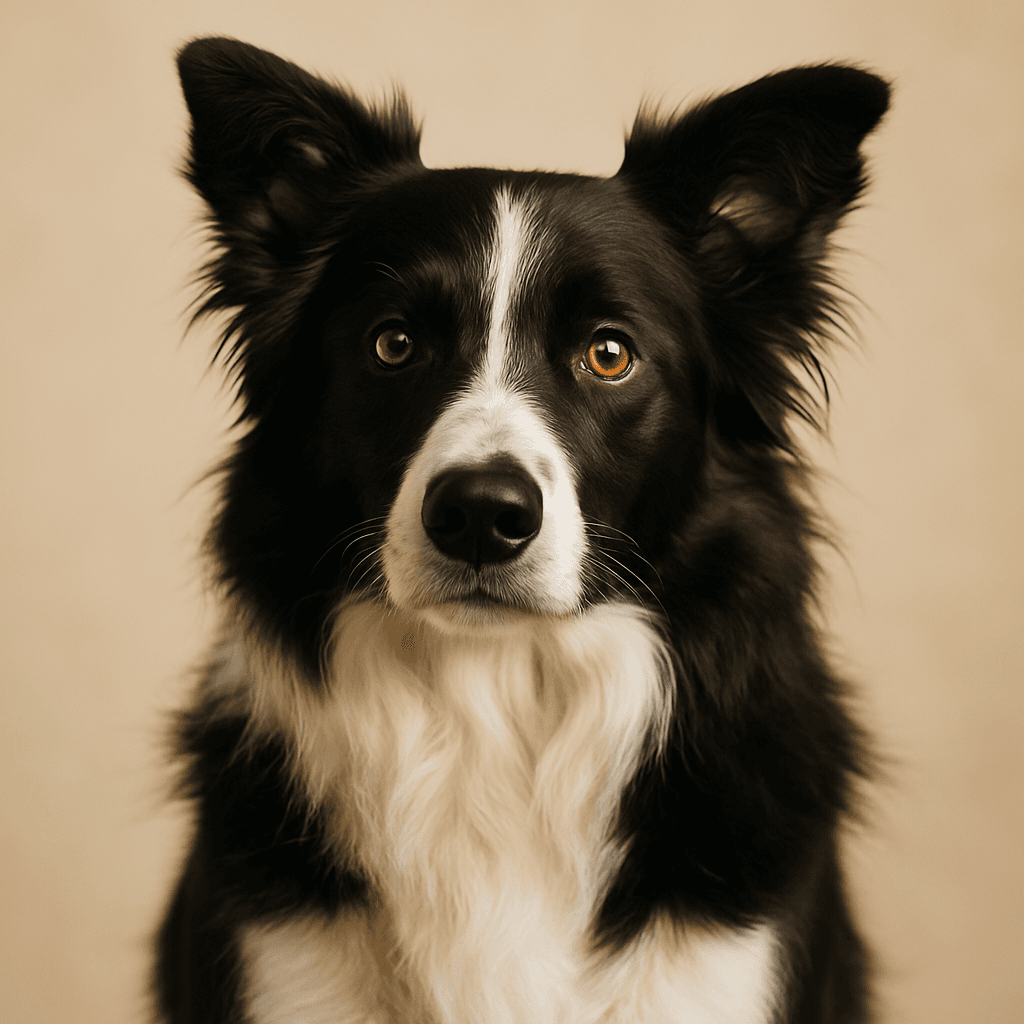
Border Collies are widely regarded as the most intelligent dog breed in the world, and that intelligence is not a metaphor. These are dogs that need to think, problem-solve, and work. They were bred over centuries to herd sheep across the borders of Scotland and England, making independent decisions under pressure over long distances and all weathers. That heritage is still fully present in the breed today, and it fundamentally shapes what kind of home a Border Collie needs.
A Border Collie is explicitly not suited to flat living or to owners who cannot provide at least two hours of vigorous physical activity and significant mental stimulation every day. This is not an approximation: it is one of the most important pieces of information for a prospective owner to understand. An under-stimulated Border Collie does not simply become bored: it develops serious anxiety, obsessive behaviours (shadow chasing, ball obsession, repetitive circling), destructive tendencies, and in some cases, aggression. The vast majority of Border Collies in rescue are there because this was not understood before they were acquired.
They need a purpose, not just walks. The breed's herding instinct expresses itself in various ways in a pet home: many will attempt to herd children, cyclists, cars or other dogs. This is not aggression but it must be managed and redirected through consistent training and appropriate outlets such as agility, flyball, scent work, herding trials or advanced obedience.
In the right home, with an experienced, active owner who invests heavily in training and activity, a Border Collie is an extraordinary animal. They are highly biddable, deeply bonded to their handler, and capable of learning a remarkable range of behaviours. They excel in almost every canine sport and working role.
Health testing is important. Key conditions include Collie Eye Anomaly (CEA), hip dysplasia, epilepsy and Trapped Neutrophil Syndrome (TNS), all of which have DNA tests or screening schemes available. Responsible breeders test for all relevant conditions.
Purchase prices from KC-registered, health-tested breeders typically range from £800 to £1,500. Working-bred Border Collies from proven lines may cost more. The breed has a typical lifespan of 12 to 15 years.
The KC registers both working and show-type Border Collies. Working-bred dogs from herding or sport lines typically have higher drive and need more demanding outlets. Show-bred dogs are more moderate but still far above the threshold of what most pet owners can realistically provide. Be honest about your lifestyle before choosing this breed, and consider speaking to Border Collie owners and breed clubs before committing. The breed is extraordinary in the right environment and a welfare problem in the wrong one.
Temperament & Personality
Border Collies are intense, focused and highly responsive to their handler. When they are engaged, trained and purposefully occupied, they are a pleasure: responsive, loyal, extraordinarily clever and deeply bonded. When they are bored or under-stimulated, that same intelligence and energy turns inward in damaging ways.
The breed's herding instinct is powerful and persistent. In the absence of sheep, Border Collies will attempt to herd whatever moves: children, cyclists, joggers, other dogs, even cars. The characteristic Border Collie stance, crouched low, stalking with intense eye contact, is herding behaviour. It must be managed and redirected, not suppressed through punishment. Appropriate outlets, agility, flyball, scent work, structured training, satisfy the drive without it becoming problematic.
Border Collies vary significantly in their sociability. Some are openly friendly; others are reserved or wary with strangers. This is a breed characteristic rather than a problem, but it does mean that comprehensive socialisation during puppyhood is essential. A Border Collie that has not been exposed to a wide range of people, environments and animals during the critical period can become anxious or reactive in unfamiliar situations.
Sensitivity is a defining trait. Border Collies are acutely attuned to their handler's emotional state, body language and intentions. This makes them exceptional working and sport dogs but also means they are easily stressed by inconsistency, conflict in the household, or harsh handling. Positive reinforcement, calm leadership and predictable structure produce the most reliable and emotionally stable Border Collie.
They do not suit a passive owner. The Border Collie will push the boundaries of an inconsistent handler and find its own occupation, usually not one the owner appreciates. They need someone who is actively engaged, not just present.
Training
Border Collies are the most trainable breed in the world when handled correctly, and one of the most challenging when they are not. Their speed of learning is genuinely exceptional: they pick up new behaviours in very few repetitions, which means both good habits and bad habits become established quickly. Start right from day one.
Four priorities for a new Border Collie owner:
- Mental stimulation from day one. Exercise is not enough for this breed. Every day must include purposeful mental engagement: training sessions, puzzle feeders, scent work, or structured games. A Border Collie that is walked but not mentally exercised will not be settled in the house.
- Redirect herding instinct. When your dog crouches and stalks, redirect to an appropriate outlet immediately. Playing fetch, engaging in structured games or asking for an obedience behaviour all provide a legal outlet for the drive. Telling the dog off without providing an alternative achieves nothing.
- Recall. Border Collies can be fast, focused and capable of covering significant ground quickly. A reliable recall is essential for safe off-lead exercise. Build this in low-distraction environments with high-value rewards before extending freedom.
- Sociability with people and dogs. Socialise intensively during the 8 to 16 week window. Expose your puppy to a wide range of people, environments, sounds and other dogs. An under-socialised Border Collie can become reactive or fearful, creating significant management challenges.
Common mistakes: Treating the Border Collie as a standard pet dog and only providing exercise is the most common error. This breed needs a job. Owners who do not provide purposeful engagement will find that the dog creates its own purpose, usually compulsively.
Separation anxiety in Border Collies
Border Collies are known for close attachment to their owners. Without early alone-time training, this can develop into separation anxiety.
Read the complete separation anxiety guide →Exercise Needs
Border Collies need a minimum of two hours of vigorous physical exercise per day, and physical exercise alone is not sufficient. Mental stimulation is an equal, non-negotiable requirement. An owner who can provide the physical activity but not the mental engagement will still end up with a frustrated, under-occupied dog.
Exercise should be varied and purposeful: off-lead running in safe areas, retrieve games, agility work, scent trails and structured training sessions all count. Activities that combine physical and mental demands, such as agility, flyball and scent work, are ideal and genuinely satisfy a Border Collie in a way that simple walking does not.
Border Collies are not suited to flat living or small homes without reliable access to outdoor space. They need room to move and an owner with an active lifestyle.
Puppies should be exercised conservatively: five minutes per month of age, twice daily, to protect developing joints. Free play in a safe area and short training sessions are appropriate at this stage. The mental stimulation element can and should begin from the day the puppy arrives home.
Many Border Collies enjoy swimming and will retrieve enthusiastically from water. Varied activities keep the breed's enthusiasm high and prevent the fixation on a single activity that can develop in under-occupied dogs.
Health & Vet Costs
Border Collies have several known hereditary conditions that responsible breeders test for.
Collie Eye Anomaly (CEA) is a hereditary eye condition present in the breed that affects the development of the eye. It ranges from mild (small areas of choroidal hypoplasia that do not affect vision) to severe (retinal detachment leading to blindness). A DNA test is available and responsible breeders test all breeding dogs. Both parents should be tested: ask to see the results before buying a puppy.
Hip dysplasia is assessed through the KC/BVA Hip Scoring scheme. The breed mean score is around 10 to 12 (lower is better): look for puppies from parents with scores below the breed average. Hip dysplasia causes pain and reduced mobility; management costs can run to several thousand pounds over the dog's lifetime.
Epilepsy occurs in Border Collies and can be hereditary. The Kennel Club and Border Collie breed clubs support ongoing research into epilepsy genetics. A DNA test exists for some forms. Ask breeders about the epilepsy history of their lines.
Trapped Neutrophil Syndrome (TNS) is a hereditary immune deficiency affecting white blood cell function. A DNA test is available: responsible breeders test for this, and only Clear or Carrier-to-Clear pairings should be used.
MDR1 (ABCB1) gene mutation causes sensitivity to certain common drugs including some antiparasitic treatments, anaesthetics and chemotherapy agents. A DNA test is available. Inform your vet if your Border Collie has not been tested, so drug selection can be managed accordingly.
Monthly insurance for a Border Collie typically costs £40 to £70 for comprehensive lifetime cover. Typical lifespan is 12 to 15 years. The KC provides detailed health testing guidance for the breed on their website.
Protect your Border Collie with the right insurance
Vet costs are rising. Lifetime cover means long-term conditions stay covered for life -- not just 12 months.
Feeding & Nutrition
Border Collies are active dogs with high energy requirements. Feed a complete, high-quality food appropriate for medium breeds and adjust portions based on activity level: a working or sport Border Collie will require more calories than a pet dog with two daily walks.
Monitor body condition regularly. Border Collies should have a visible waist from above and you should be able to feel the ribs without pressing hard. Working and highly active dogs may appear lean: this is appropriate if their body condition is otherwise healthy.
Some Border Collies have sensitive digestion. Persistent loose stools, excessive flatulence or signs of food intolerance warrant a veterinary consultation and possibly a dietary review. Fresh water should always be available, particularly for dogs doing significant physical work. High-quality treats are useful in training: count them within the daily calorie allowance.
Feeding your Border Collie
How much to feed, which food types suit this breed, and what to avoid.
Grooming & Care
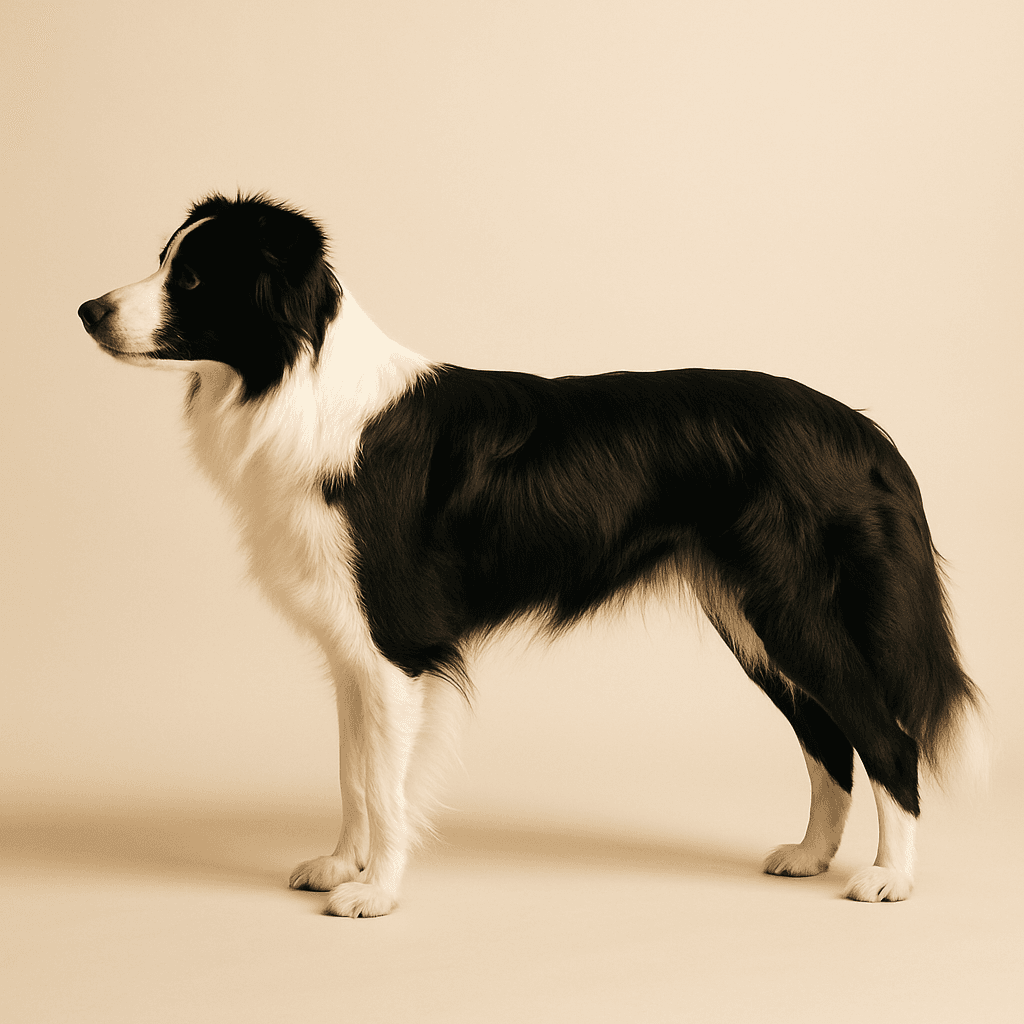
Border Collies come in two coat types: the rough (longer, flowing coat) and the smooth (shorter, denser coat). Both are double-coated and both shed significantly, particularly during spring and autumn seasonal moults.
Rough-coated Border Collies need brushing two to three times per week to prevent tangles and remove dead undercoat. During heavy shedding periods, daily brushing is needed. Pay particular attention to behind the ears, the armpits and the collar area where mats develop most readily. Smooth-coated Border Collies need less frequent brushing but still shed considerably and benefit from a weekly groom.
Professional grooming is not typically required for this breed, but a trip to a groomer for a bath and tidy during heavy shedding periods is practical for many owners. Baths every six to eight weeks or when needed, using a shampoo suitable for double coats.
Ears should be checked and cleaned weekly. Nails should be trimmed every three to four weeks: active dogs that work on hard surfaces will wear their nails down naturally, but regular checks are advisable. Teeth should be brushed regularly with dog-safe toothpaste.
Costs of Ownership
Purchase price: A Border Collie puppy from a KC-registered, health-tested breeder typically costs £800 to £1,500 in 2025 to 2026. Working-bred Border Collies from proven herding or sport lines may cost more. Rescue rehoming fees range from £100 to £350.
Setup costs: Crate, bedding, harness, bowls, initial vet check, vaccinations, microchip and neutering typically total £400 to £700.
Monthly running costs:
- Food (medium breed): £35 to £65
- Insurance (comprehensive lifetime): £40 to £70
- Routine vet care and parasite prevention: £20 to £30
- Sport or activity costs (agility classes, etc.): £20 to £50
- Total monthly estimate: £115 to £215
Annual estimate: approximately £1,380 to £2,580, before unexpected vet costs.
Lifetime costs: With a lifespan of 12 to 15 years, total lifetime ownership costs typically range from £17,000 to £33,000 including purchase. The activity and sport costs associated with keeping a Border Collie appropriately occupied can add meaningfully to the total: budget for classes, equipment and activities from the outset.
Border Collie Rescue in the UK
Many Border Collies need new homes each year. Adopting from rescue is a wonderful option — you will get full support from experienced volunteers.
Is a Border Collie Right for You?
Well suited to: experienced dog owners with active lifestyles; owners who participate in or want to take up canine sports such as agility, flyball or herding; households with access to secure outdoor space; owners who are home for significant portions of the day and can provide regular mental and physical engagement.
Not suited to: first-time dog owners; flat or small-home living without reliable access to outdoor space; sedentary owners or those with limited time for daily exercise and training; households with very young children who may be herded; owners who want a low-maintenance companion.
Flat suitability: not recommended under any circumstances. The Border Collie's needs cannot be met in a flat environment regardless of how much the owner exercises the dog: the breed requires space, stimulation and structure that flat living cannot adequately provide.
The Border Collie is an extraordinary breed in the right home and a welfare problem in the wrong one. Be completely honest about your lifestyle before choosing this breed.
Frequently Asked Questions
Yes — with plenty of exercise and mental stimulation. They can be intense and may try to herd children.
2 or more hours per day. They need mental stimulation as much as physical exercise.
Yes — heavily during shedding seasons in spring and autumn.
Yes — they are exceptionally intelligent and pick up new skills quickly. They need variety to prevent boredom.
12 to 15 years on average.
Around £70 to £130 per month.
Not ideal — they need experienced handling, consistent structure and significant mental and physical stimulation.
Related Breeds
Related Guides
Free newsletter
Get the weekly guide for UK dog owners
Breed spotlights, training tips and health advice delivered every week.