
Borzoi
Complete UK breed guide
Quick answer
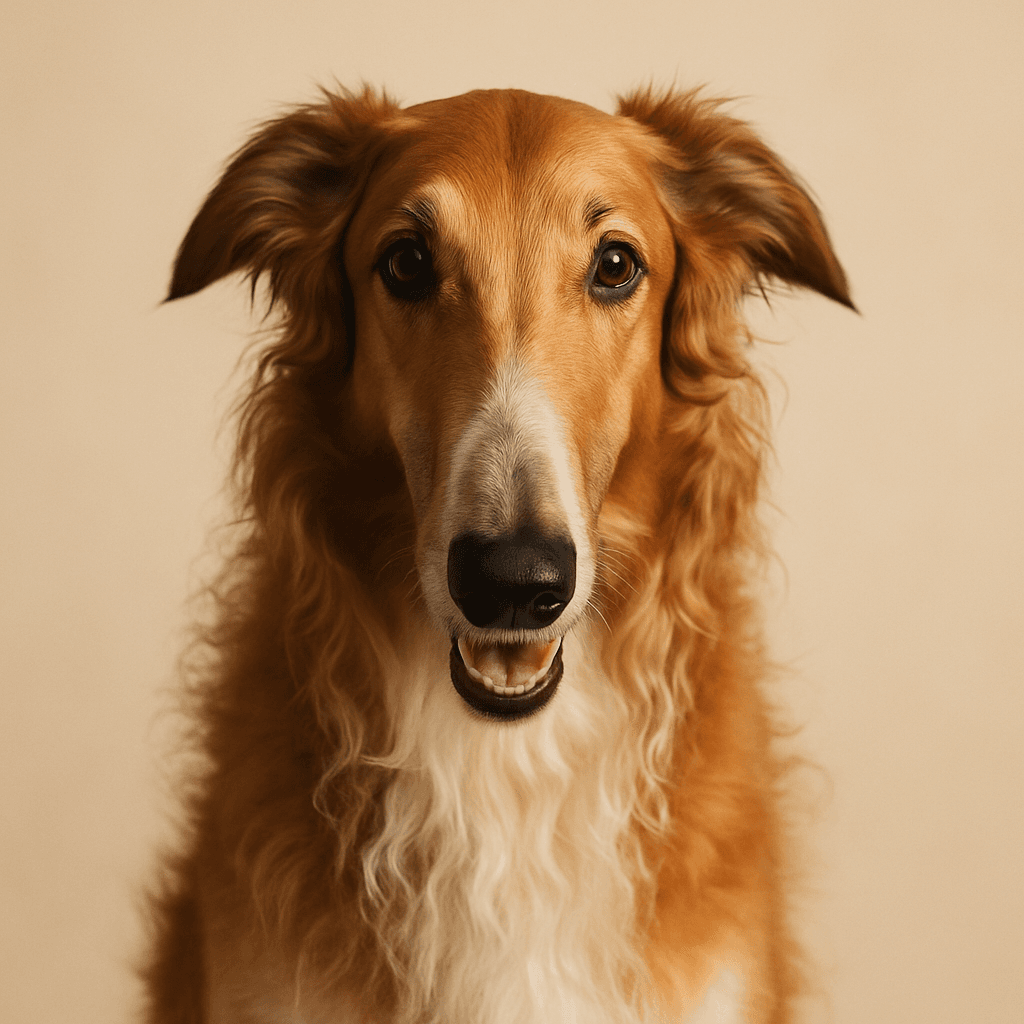
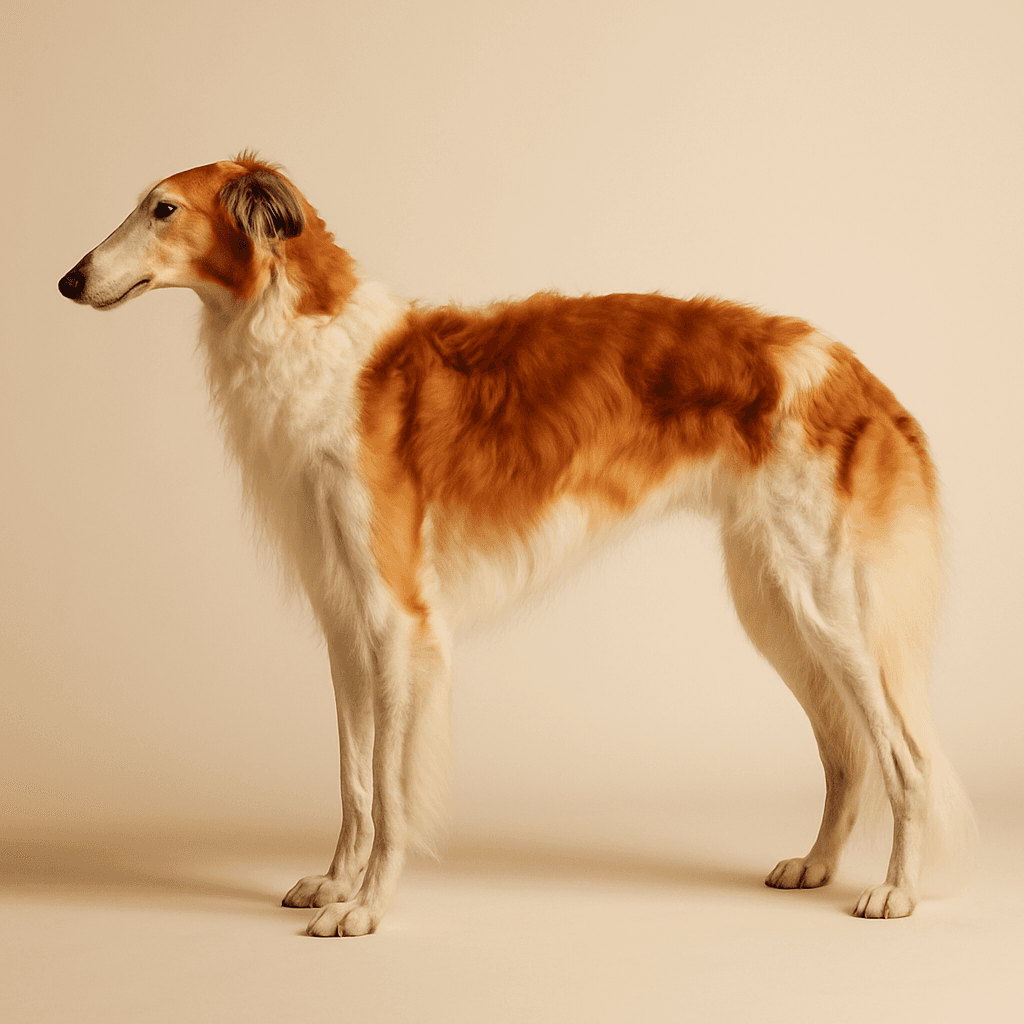
The Borzoi is a large, elegant Russian sighthound bred to coursing wolves at speed. Gentle and affectionate at home, it has a powerful prey drive and unreliable recall. Secure fencing is essential. KC Hound Group. Lifespan 9-14 years.
Quick Facts
- Size
- Large
- Weight
- 27–48 kg
- Lifespan
- 9–14 years
- Breed Group
- Hound
- Exercise
- 60–75 mins/day
- Activity Level
- Moderate
- Grooming
- High
- Monthly Cost
- £130–£200/month
- Temperament
- —
- Good with Children
- No
- Good with Dogs
- No
- Good for First Timers
- No
- Suits Flats
- No
Breed Overview
The Borzoi is one of the most visually striking breeds in the world. A large, elegant Russian sighthound developed over centuries by Russian aristocracy for wolf coursing across the vast open steppes, it combines exceptional speed, a flowing silky coat and a dignified, somewhat otherworldly beauty that has made it a breed of enduring aesthetic appeal. Registered by the Kennel Club in the Hound Group, the Borzoi is among the taller breeds, with males reaching 75 to 85 centimetres at the shoulder and a build that is all refinement and speed rather than the bulk of working guardian breeds.
The character at home is one of the Borzoi's greatest surprises for those who expect a large, physically impressive dog to have a large, physically impressive personality. In the house, the Borzoi is quiet, gentle and often described as cat-like in its self-containment. It is affectionate with its own family in a reserved, dignified way, and it is generally an exceptionally calm indoor companion. It does not demand constant attention. It is not an attention-seeking breed. What it does require is physical space - a large sofa, access to the garden - and the specific form of exercise that suits its sighthound nature.
Outside the home, the character shifts. The Borzoi was bred to spot and pursue quarry at distance and at extreme speed, and the instinct to do so when a visual trigger is present is deeply wired. When a Borzoi locks onto prey - a running animal, a cyclist, even a blowing plastic bag at the right angle - the response is immediate and powerful, and it overrides trained responses. Recall cannot be relied upon in open areas with visual prey stimuli. This is not a training failure; it is the breed doing precisely what it was developed to do for centuries. The management response is not better training but better management: exercise in genuinely secure enclosed areas, a robust recall for everyday use, and a realistic acceptance of the breed's limits.
A securely fenced garden is non-negotiable. The Borzoi can clear significant heights when motivated, and the fence must be assessed with this in mind. Standard garden fencing is often inadequate.
The prey drive also determines household compatibility. Small animals - cats, rabbits, guinea pigs - are at genuine and persistent risk from a Borzoi regardless of how long the two have cohabited. Households with small pets face a management challenge that should be fully understood before acquisition.
Lure coursing is one of the best activities available for a Borzoi. It provides the full-speed sprint the breed's body and mind requires in a controlled, safe environment, and it is genuinely enjoyable to watch. Most Borzoi engage with it with enthusiasm. Access to a lure coursing club should be considered an ownership requirement rather than an optional extra.
Grooming the long silky coat requires three to four brushing sessions weekly. The feathering on the neck, chest, legs and tail is particularly prone to tangling and should be checked and brushed at each session. Professional grooming every eight to twelve weeks maintains coat condition.
Bloat is the most serious health concern for this deep-chested breed. Feeding two smaller meals rather than one large one, and avoiding vigorous exercise for one to two hours before and after feeding, are the primary management steps. Progressive Retinal Atrophy has been reported in the breed. All sighthounds including the Borzoi have a documented sensitivity to barbiturate-based anaesthesia and certain other drugs - this must be flagged to any veterinarian before any procedure, including routine dental work.
Lifespan is typically 9 to 14 years. Insurance of £35 to £70 per month reflects a moderate health profile for a large breed. Purchase prices from KC-registered breeders range from £800 to £1,500. Monthly running costs average £140 to £230.
The Borzoi Club UK is the primary resource for breed information, responsible breeders and rescue enquiries.
Temperament & Personality
Gentle, affectionate and devoted to its family at home. Dignified and quiet indoors. Outside, the sighthound prey drive is dominant. Reserved or aloof with strangers. Gets on well with other large dogs but small animals including cats face serious risk from the prey drive.
Training
Intelligent but independently minded - the sighthound instinct to chase overrides trained responses when prey is visible. Recall must be trained thoroughly but should never be trusted in open areas with visual prey stimuli. Positive methods work well for household manners and basic obedience.
Exercise Needs
One to 1.5 hours daily including off-lead runs in fully secure enclosed areas. The Borzoi needs to sprint at full speed regularly - coursing, lure coursing and open running in secure fields are ideal. Lead walks alone are insufficient. Never off-lead in unsecured open areas.
Health & Vet Costs
Bloat (GDV) is the most serious risk in this deep-chested breed - feed two smaller meals and restrict exercise around mealtimes. Progressive Retinal Atrophy and heart conditions have been reported. Sensitivity to anaesthesia (shared with most sighthounds) must be flagged to vets. Lifespan 9-14 years. Insurance £35-£70/mo.
Protect your Borzoi with the right insurance
Vet costs are rising. Lifetime cover means long-term conditions stay covered for life -- not just 12 months.
Feeding & Nutrition
High-quality complete food for large breeds. Adults typically need 400-600g dry food daily across two meals. Feed two or more smaller meals to reduce bloat risk in this deep-chested breed. Avoid exercise immediately before and after feeding. Fresh water always available.
Feeding your Borzoi
How much to feed, which food types suit this breed, and what to avoid.
Grooming & Care
The long silky coat requires brushing three to four times weekly to prevent tangles. The neck, chest and hindquarters are particularly prone to matting. Professional grooming every eight to twelve weeks. Minimal bathing required. Ears checked weekly.
Costs of Ownership
Purchase price: £800-£1,500 from KC-registered breeders. Monthly costs: food £50-£80, insurance £35-£70/mo. Average total £140-£230/mo. Lure coursing participation adds cost but is strongly recommended.
Is a Borzoi Right for You?
Best for owners with prior experience of sighthounds or independent breeds. Needs a securely fenced garden - recall is not reliable with strong visual prey stimuli. Gentle with family but the prey drive makes it unsuitable with cats or small pets. Not suited to flats.
Related Guides
Free newsletter
Get the weekly guide for UK dog owners
Breed spotlights, training tips and health advice delivered every week.