
Boxador
Complete UK breed guide

Quick answer
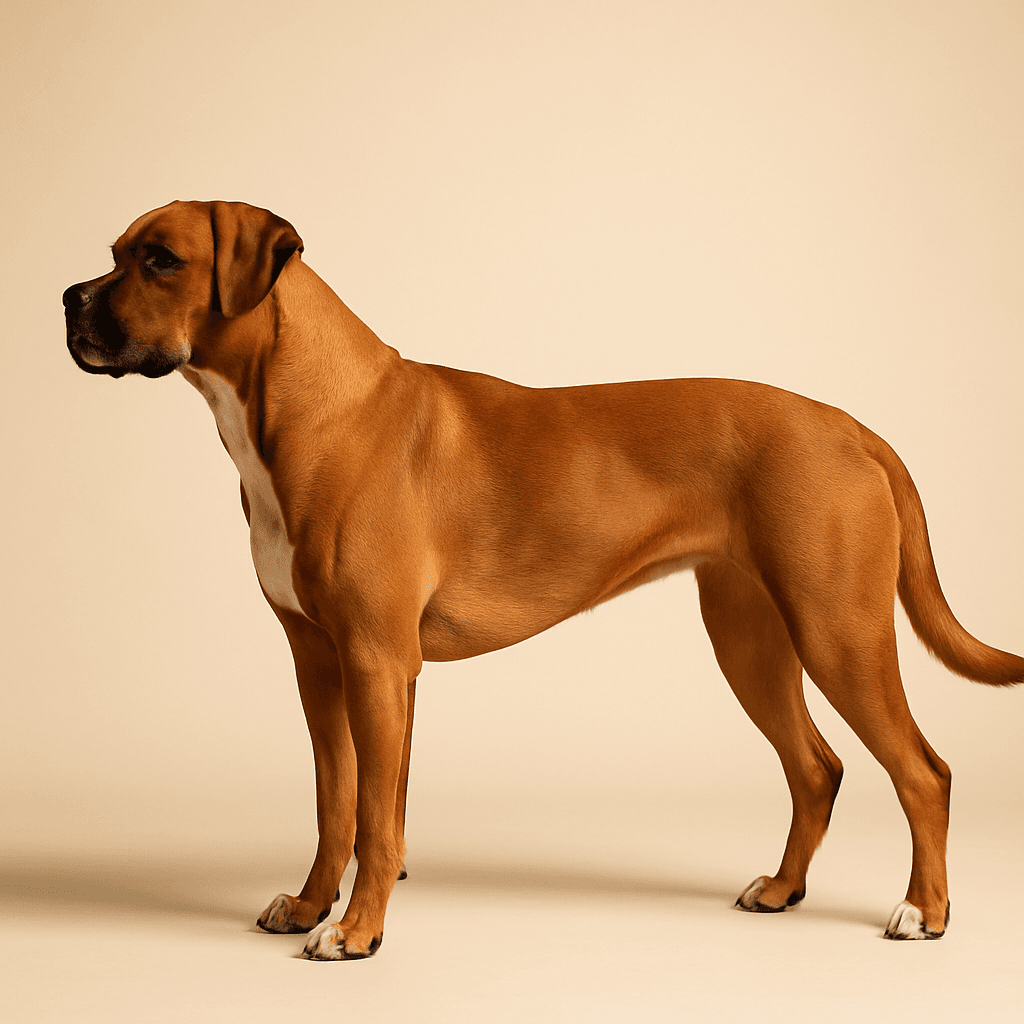
The Boxador is a Boxer and Labrador Retriever cross. Friendly, energetic and good with families, it inherits the Boxer's brachycephalic tendency alongside the Labrador's food drive. Health test both parents. Not a recognised breed.
Quick Facts
- Size
- Large
- Weight
- 25–40 kg
- Lifespan
- 10–14 years
- Exercise
- 90–120 mins/day
- Activity Level
- High
- Grooming
- Low
- Monthly Cost
- £130–£190/month
- Temperament
- —
- Good with Children
- Yes
- Good with Dogs
- Yes
- Good for First Timers
- No
- Suits Flats
- No
Breed Overview
The Boxador is a cross between a Boxer and a Labrador Retriever, two of the more popular and widely kept breeds in the UK. It is not a recognised breed and is not registered by the Kennel Club. Like all crossbreeds, individual Boxadors vary considerably in appearance, coat, size and temperament depending on which parent they most resemble and the generation of the cross.
At its best, the Boxador combines some highly appealing qualities from both parent breeds: the Labrador's warmth, trainability and good nature with the Boxer's playful energy and devotion to its family. The result is typically a friendly, sociable and engaging dog that does well in active family environments and is reliably good with children when properly socialised from puppyhood.
The first consideration for any prospective Boxador owner is the Boxer parent's brachycephalic status. Boxers are a brachycephalic breed - their shortened skull structure can cause Brachycephalic Obstructive Airway Syndrome, with symptoms ranging from noisy breathing and exercise intolerance to serious respiratory compromise in affected individuals. This characteristic can be inherited to varying degrees in a Boxador. Before purchasing a puppy, prospective owners should ask to see the Boxer parent in person and assess its breathing, and should ask specifically whether the Boxer parent has been BOAS-assessed. A Boxador with significant brachycephalic inheritance must be managed accordingly: exercise in cooler conditions, avoidance of hot or humid weather, and immediate veterinary attention if the dog shows signs of breathing distress.
The Boxer parent also introduces specific cardiac health risks. Aortic Stenosis/Subaortic Stenosis and Arrhythmogenic Right Ventricular Cardiomyopathy are both documented in Boxer lines. The Boxer parent should have had cardiac screening before breeding, and where available the ARVC DNA test should have been performed. The Labrador parent should be hip and elbow scored and DNA tested for Progressive Retinal Atrophy and Exercise-Induced Collapse.
In terms of exercise, an adult Boxador typically needs one to 1.5 hours of daily activity. The breed enjoys retrieving, swimming and active outdoor time. Intense exercise in hot or humid weather should be avoided if the dog has inherited any degree of brachycephalic structure. Mental stimulation through training is as important as physical exercise given the intelligence of both parent breeds.
The Labrador's food drive is almost universally present in this cross, and the obesity risk it creates is significant for a large-breed dog. Measured portions, minimal treats and regular body condition assessment are the basic management requirements throughout the dog's life.
Character is typically very appealing. The Boxador is generally friendly, boisterous and genuinely devoted to its family. It tends to be excellent with children - patient and playful - and sociable with other dogs. The Boxer's characteristic exuberance adds energy and entertainment to the household, and the Labrador's warmth adds emotional depth. Early training is essential to manage the combination of size and enthusiasm, particularly around children and elderly or fragile adults.
Purchase prices range from £500 to £1,200. Monthly running costs average £140 to £240. Insurance of £35 to £70 per month. Lifespan is typically 10 to 13 years.
For active families who go in with clear eyes on the brachycephalic considerations and commit to health-testing both parents, the Boxador is an energetic, loyal and highly enjoyable companion.
Temperament & Personality
Friendly, energetic and loyal. Good with children and other dogs when socialised. The Boxer's playful exuberance combined with the Labrador's warmth creates a sociable, fun companion. Can be boisterous - early training essential to manage size and energy.
Training
Trainable and intelligent from both parent breeds. Responds well to positive reward-based methods. The Boxer parent contributes exuberance and the Labrador contributes food motivation - both useful in training. Start early and keep sessions consistent.
Exercise Needs
One to 1.5 hours vigorous daily exercise. Enjoys retrieving, swimming and active play. Avoid intense exercise in hot or humid weather due to Boxer brachycephalic inheritance. Mental stimulation through training important given Labrador intelligence.
Health & Vet Costs
Boxer parent health testing: cardiac screening (AS/SAS), hip scoring, thyroid testing, ARVC DNA test where available. Labrador parent: hip and elbow scoring, PRA DNA test, EIC DNA test. Boxer brachycephalic risk may be inherited - assess breathing in person. Bloat possible. Lifespan 10-13 years.
Protect your Boxador with the right insurance
Vet costs are rising. Lifetime cover means long-term conditions stay covered for life -- not just 12 months.
Feeding & Nutrition
High-quality complete food for large active breeds. Adults typically need 400-600g dry food daily across two meals. Labrador heritage brings strong obesity risk - measure portions and avoid excess treats. Monitor body condition closely. Fresh water always available.
Feeding your Boxador
How much to feed, which food types suit this breed, and what to avoid.
Grooming & Care
Short to medium coat requires brushing once or twice weekly. Low grooming commitment overall. Ears checked weekly. Wrinkles around the face, if present from Boxer parent, should be cleaned and dried regularly.
Costs of Ownership
Purchase price: £500-£1,200. Monthly costs: food £50-£85, insurance £35-£70/mo. Average total £140-£240/mo. Health test both parents - Boxer parent should have cardiac and hip testing.
Is a Boxador Right for You?
Active families or individuals comfortable with a large, energetic dog. Good with children when socialised. The Boxer parent introduces brachycephalic risk - assess breathing before purchase. Needs one to two hours daily exercise. Not suited to low-activity households.
Related Guides
Free newsletter
Get the weekly guide for UK dog owners
Breed spotlights, training tips and health advice delivered every week.