Central Asian Shepherd Dog
Complete UK breed guide
Quick answer
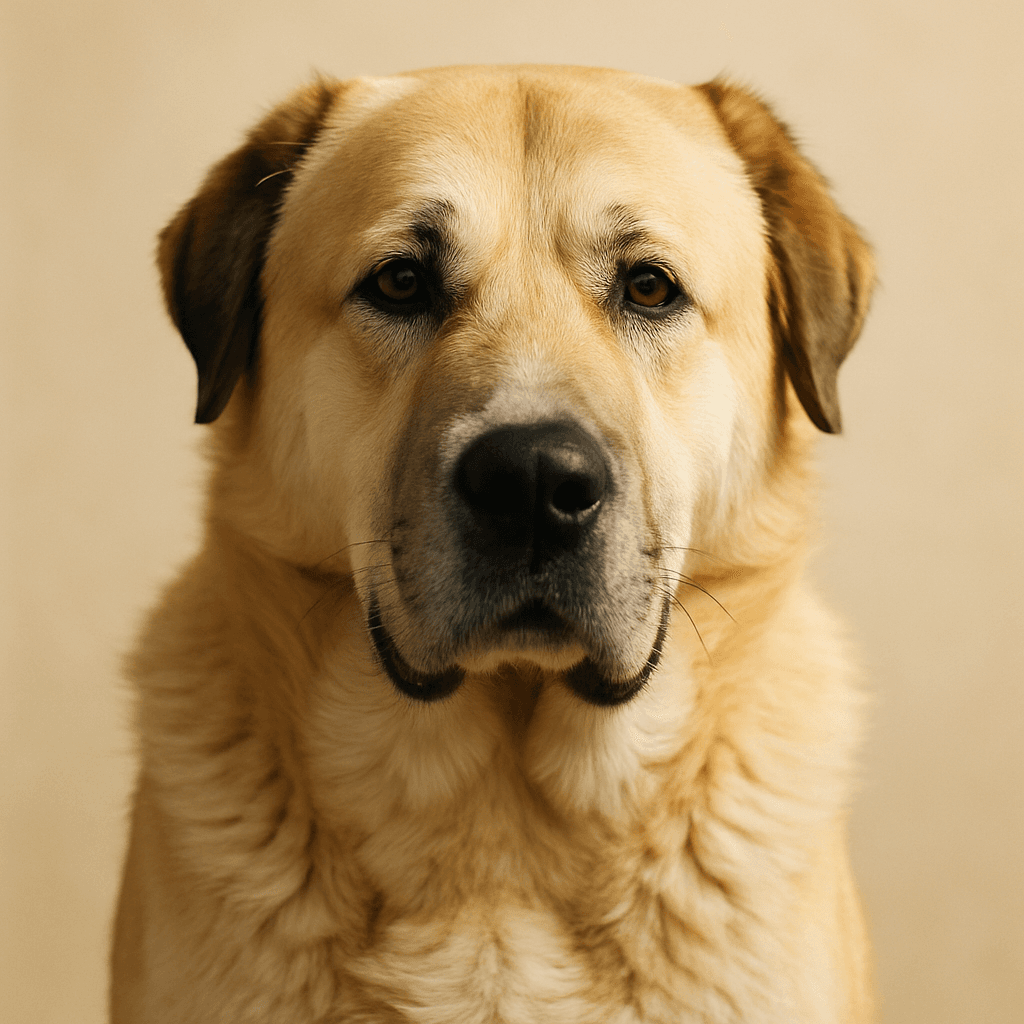
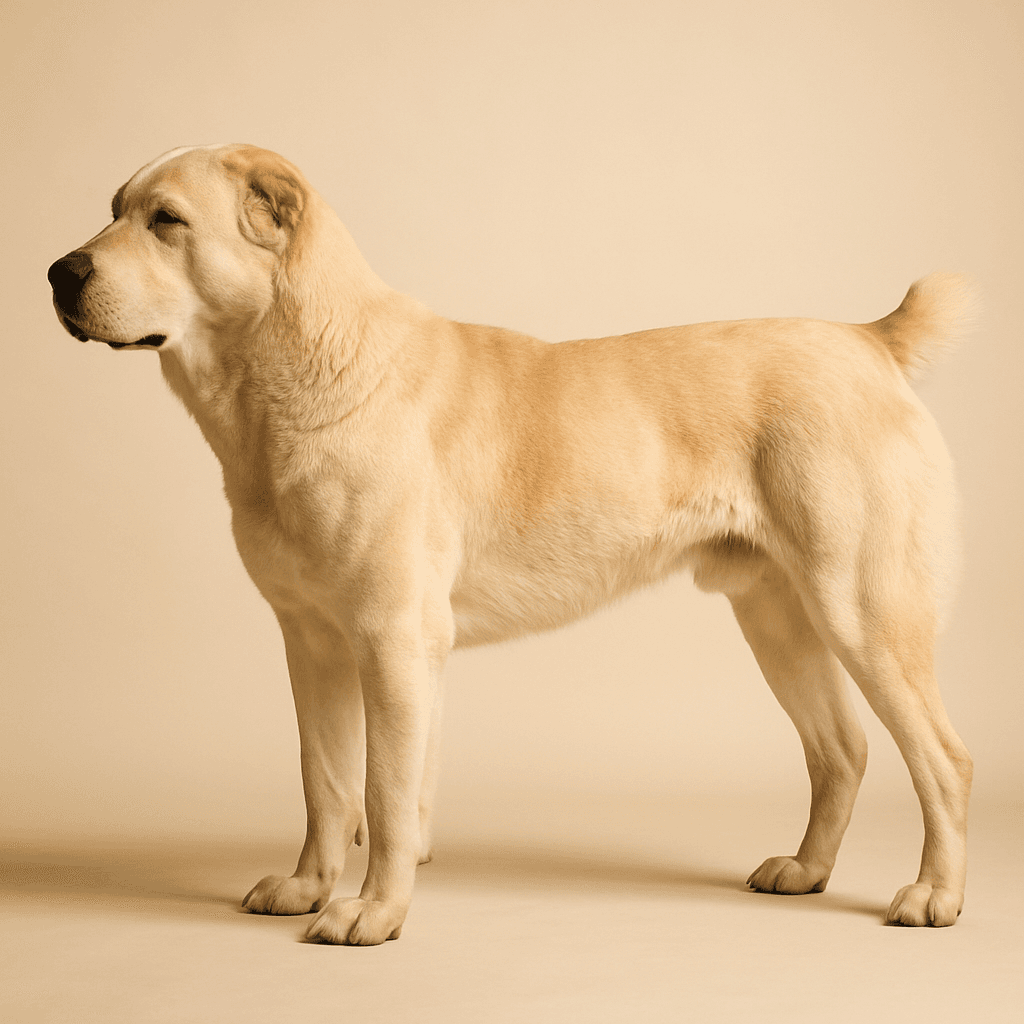
The Central Asian Shepherd Dog is one of the world's oldest and largest guardian breeds, developed across the Eurasian steppe to protect livestock from wolves and bears. Highly independent, extremely powerful. Experienced owners with significant outdoor space only. KC Working Group.
Quick Facts
- Size
- Giant
- Weight
- 40–80 kg
- Lifespan
- 11–14 years
- Breed Group
- Working
- Exercise
- 60–75 mins/day
- Activity Level
- Moderate
- Grooming
- Moderate
- Monthly Cost
- £160–£260/month
- Temperament
- —
- Good with Children
- No
- Good with Dogs
- No
- Good for First Timers
- No
- Suits Flats
- No
Breed Overview
The Central Asian Shepherd Dog, known in its native regions as the Alabai, Tobet, Volkodav or by numerous other local names, is one of the oldest dog breeds in existence. Developed across the vast Eurasian steppe and surrounding mountain regions over thousands of years as a guardian of livestock and settlements against wolves, bears and other predators, it is a massive, ancient landrace breed that has been shaped by natural selection and traditional pastoral culture rather than modern kennel club breeding programmes. Registered by the Kennel Club in the Working Group, it is rare in the UK and requires ownership conditions that most households cannot realistically provide.
The Central Asian Shepherd Dog's territory of origin spans an enormous area encompassing modern Russia, Kazakhstan, Uzbekistan, Turkmenistan, Afghanistan, Iran and adjacent regions. This geographic spread has produced considerable variation in size, coat and build between regional types, but the essential character is consistent: a large, powerful, independent dog that was bred to make life-and-death decisions about threats to its flock without human oversight.
In appearance it is a giant breed, with males typically weighing 50 to 80 kilograms or more, a broad, massive head, and a dense double coat that comes in a range of colours including white, black, grey, fawn and brindle. The overall impression is of physical substance combined with watchful intelligence.
The character is the defining challenge of Central Asian Shepherd Dog ownership. This is a breed that has not been selected for biddability, compliance or social ease with strangers. It has been selected for independent protective judgement, extreme courage in confrontation with large predators, and total commitment to the safety of what it has decided is its family and territory. These qualities are not training outcomes; they are genetic constants.
Managing a dog with these qualities in a domestic or semi-domestic setting requires an owner who genuinely understands the breed's psychology and has the experience, confidence and commitment to provide the intensive, lifelong socialisation and management that makes the difference between a stable, functional guardian and a genuinely dangerous animal.
The Central Asian Shepherd Dog's relationships with strangers are categorically different from breeds developed for social ease. Even in a well-socialised individual, strangers represent a category of entity to be assessed and monitored rather than welcomed. Any breach of what the dog has defined as its territory perimeter will be met with a response that reflects its size and capability.
Exercise requirements are moderate. The breed was developed for sustained vigilance rather than high-speed athletic work. An adult needs one to 1.5 hours of daily activity. The thick coat makes heat management important.
Hip and elbow dysplasia can occur and health screening of parents is recommended. Bloat is a serious risk in this deep-chested giant breed. Despite the extreme size, the breed's ancient landrace genetic diversity provides a somewhat more robust health profile than many modern purpose-bred giant breeds. Lifespan is typically 12 to 15 years.
Purchase prices range from £1,500 to £3,000. Insurance of £70 to £150 or more per month, and some insurers restrict or exclude coverage. Monthly running costs average £280 to £500. Verification of insurance availability before purchase is essential.
Temperament & Personality
The Central Asian Shepherd Dog is ancient, self-reliant, deeply independent and serious. Devoted to its family but fundamentally a working guardian rather than a companion dog. Naturally suspicious of strangers and dominant with other dogs. This is one of the most challenging breeds for most domestic settings.
Training
Central Asian Shepherd Dogs are among the most challenging breeds to train due to their extreme independence and ancient guardian instincts. Professional training assistance from puppyhood is essential, not optional. Positive reinforcement and calm, consistent authority are required. This breed will test even very experienced owners.
Exercise Needs
Central Asian Shepherd Dogs need 1-1.5 hours daily exercise and a large secure area to patrol. They are not conventionally energetic - their working role was to guard and patrol rather than run. However they require significant space and structured exercise to remain balanced and manageable.
Health & Vet Costs
The Central Asian Shepherd Dog is prone to hip and elbow dysplasia and bloat (GDV). As a giant breed, joint problems are particularly debilitating. Both parents should have hip and elbow evaluations. The breed is generally hardy given its ancient working origins but the giant size creates inevitable structural challenges. Lifespan 12-15 years.
Protect your Central Asian Shepherd Dog with the right insurance
Vet costs are rising. Lifetime cover means long-term conditions stay covered for life -- not just 12 months.
Feeding & Nutrition
Large to giant breed complete food. Adults typically need 600-1000g daily across two meals. Two meals reduce bloat risk. Monitor body condition. Obesity severely damaging in a giant breed. Slow feeder bowls recommended.
Feeding your Central Asian Shepherd Dog
How much to feed, which food types suit this breed, and what to avoid.
Grooming & Care
The Central Asian Shepherd Dog has a dense double coat that comes in both short and long varieties. Both require regular brushing - two to three times weekly, daily during seasonal moults. The thick coat tangles readily. Professional grooming assistance is advisable for this large, powerful breed.
Costs of Ownership
Central Asian Shepherd Dog puppies typically cost £1,500-£3,000. Like all giant breeds, ongoing costs are very high: food, insurance (may be restricted), and veterinary care for a giant breed average £3,500-£5,000+ annually. Secure fencing and adequate space requirements add to setup costs.
Is a Central Asian Shepherd Dog Right for You?
Experienced owners of large guardian breeds with significant rural space only. Not suitable for urban settings, first-time owners or households with young children. Professional socialisation from puppyhood essential. Insurance verification required before purchase.
Related Guides
Free newsletter
Get the weekly guide for UK dog owners
Breed spotlights, training tips and health advice delivered every week.