Chorkie
Complete UK breed guide
Quick answer
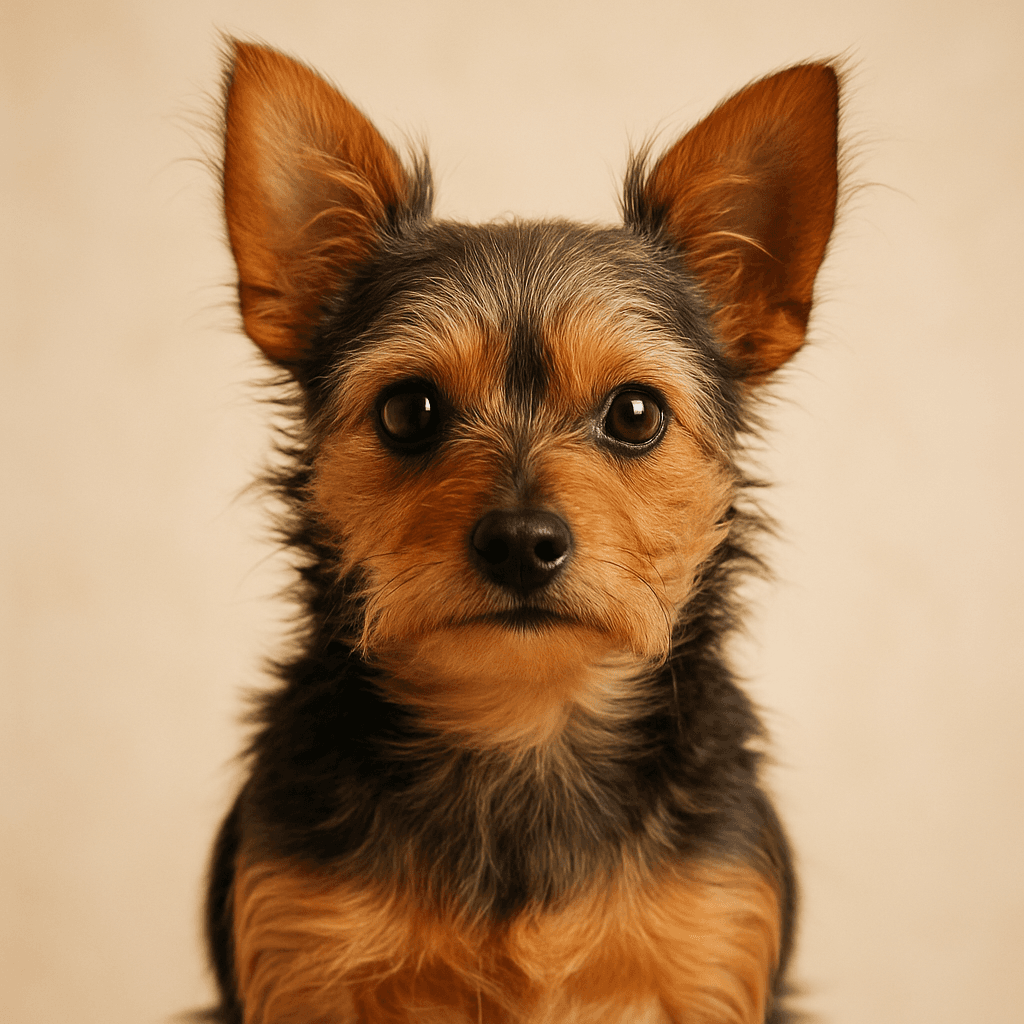
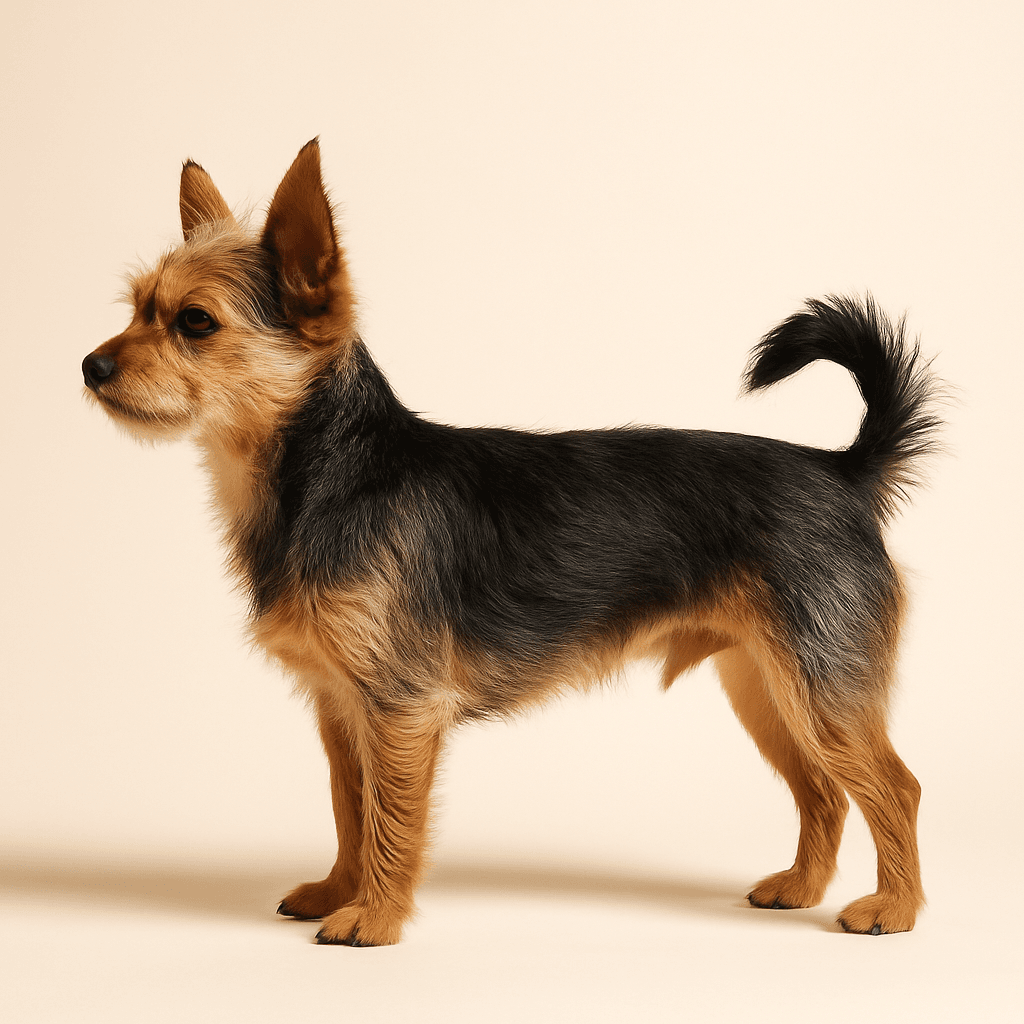
The Chorkie is a Chihuahua x Yorkshire Terrier cross - small, bold and affectionate. Inherits tenacity from both parent breeds and can be vocal. Consistent training from puppyhood essential. Suits apartment living and single-dog households. Not KC-recognised. Lifespan 10-15 years.
Quick Facts
- Size
- Small
- Weight
- 2–4 kg
- Lifespan
- 10–15 years
- Exercise
- 20–30 mins/day
- Activity Level
- Moderate
- Grooming
- High
- Monthly Cost
- £80–£130/month
- Temperament
- —
- Good with Children
- No
- Good with Dogs
- No
- Good for First Timers
- Yes
- Suits Flats
- Yes
Breed Overview
The Chorkie is a small crossbreed combining two of the UK's most popular toy breeds - the Chihuahua and the Yorkshire Terrier. It is not recognised by the Kennel Club and is not a standardised breed; puppies from Chorkie litters vary in size, coat type and temperament depending on which parent's traits predominate in each individual.
The appeal is easy to understand. Both parent breeds are popular, compact companions well suited to urban and apartment living. The Chorkie inherits small size from both sides, and typically combines the Yorkshire Terrier's silky coat - often in a softer, less demanding version - with the Chihuahua's distinctive boldness and personality. The result is a confident, entertaining little dog that can be a devoted companion in the right hands.
The right hands are an important qualifier. Both parent breeds have strong personalities that require consistent, confident handling. The Yorkshire Terrier is feisty, tenacious and can be territorial. The Chihuahua is bold, alert, reactive and deeply opinionated. A Chorkie that inherits both these tendencies without early, consistent training becomes a demanding, vocal, reactive little dog whose small size allows the behaviour to persist and escalate unchallenged. This is the most common reason Chorkies end up in rescue.
Training from the earliest possible age is non-negotiable for a Chorkie. Clear house rules, consistent boundaries and puppy classes that address both socialisation and basic manners establish the foundations for a manageable adult dog. Small dog syndrome - the pattern by which small dogs are excused behaviour that would be addressed immediately in a larger animal - is genuinely damaging to the dog's quality of life and the owner's experience of ownership.
The Chorkie is well suited to apartment living. It does not need extensive exercise - two short walks daily and indoor play is sufficient for most individuals. It is alert and can be vocal, which makes it a poor choice for households or buildings where noise is a significant concern.
Both parent breeds have severe dental disease as a near-universal characteristic of the breed, and the Chorkie inherits this susceptibility. Dental hygiene - including daily brushing, dental chews and professional cleaning - should be established from puppyhood and maintained throughout the dog's life. Tooth loss and associated pain are otherwise inevitable.
Grooming requirements depend on coat type. A Yorkshire Terrier-influenced coat requires regular brushing and professional grooming. A Chihuahua-influenced coat is significantly simpler to maintain.
Lifespan is typically 10 to 15 years. Monthly running costs average £70 to £115. Buyers should be cautious of very cheap Chorkie puppies from breeders who cannot provide health history of both parents.
Temperament & Personality
Chorkies are bold, lively, affectionate and sometimes territorial. They tend to form very strong bonds with their primary owner and can be possessive. Alert and often vocal - they make effective if noisy watchdogs. Can be reactive to unfamiliar dogs. With confident owners and good socialisation they are entertaining and devoted companions.
Training
Chorkies are intelligent but inherit strong wills from both parent breeds. Consistent positive reinforcement training from day one is essential. Small dog syndrome is a real risk - clear boundaries and rules must be maintained regardless of size. Recall and leash manners should be prioritised early. Puppy classes are strongly recommended.
Exercise Needs
Chorkies need around 20-40 minutes of daily exercise. Two short walks and indoor play suit them well. They are curious and energetic for their size but can tire quickly. Mental stimulation through training and puzzle games is important for this intelligent cross.
Health & Vet Costs
Chorkies can inherit health issues from both parents. Common concerns include patellar luxation, cardiac conditions, hypoglycaemia (especially in very small individuals), tracheal collapse and severe dental disease. Both parent breeds are prone to significant dental problems. Buyers should verify health history of both parents. Lifespan 10-15 years.
Protect your Chorkie with the right insurance
Vet costs are rising. Lifetime cover means long-term conditions stay covered for life -- not just 12 months.
Feeding & Nutrition
High-quality small breed complete food. Adults typically need 80-150g dry food daily across two meals. Highly prone to dental disease - avoid soft foods that increase plaque build-up. Monitor body condition carefully. Fresh water always available.
Feeding your Chorkie
How much to feed, which food types suit this breed, and what to avoid.
Grooming & Care
Coat type varies from smoother (Chihuahua-influenced) to longer and silkier (Yorkshire Terrier-influenced). Yorkie-dominant coats need brushing three to four times weekly to prevent tangles and professional grooming every 6-8 weeks. Dental care is critical - daily brushing is recommended for this decay-prone cross.
Costs of Ownership
Chorkie puppies typically cost £500-£1,000. Annual ongoing costs including food, grooming, insurance and routine care average £900-£1,400. Dental disease is a predictable ongoing cost - factor professional cleaning into budget. Low purchase price does not indicate lower health risks.
Is a Chorkie Right for You?
Individuals, couples or families with older children. Good for apartment living. Confident, consistent owners who will establish clear rules from puppyhood - both parent breeds have strong personalities. Not suited to households with very young children. Can be territorial about food and toys.
Related Guides
Free newsletter
Get the weekly guide for UK dog owners
Breed spotlights, training tips and health advice delivered every week.