Dachshund (Miniature Smooth Haired)
Complete UK breed guide
Quick answer
The Miniature Smooth-Haired Dachshund is the most common Dachshund variety - a small scent hound with the classic elongated body and short, sleek coat. Bold, curious and devoted. Intervertebral disc disease (IVDD) is the primary health concern - MRI-tested parents essential. KC Hound Group. Lifespan 12-16 years.
Quick Facts
- Size
- Small
- Weight
- 4–5 kg
- Lifespan
- 12–16 years
- Breed Group
- Hound
- Exercise
- 30–45 mins/day
- Activity Level
- Moderate
- Grooming
- Low
- Monthly Cost
- £80–£130/month
- Temperament
- —
- Good with Children
- Yes
- Good with Dogs
- Yes
- Good for First Timers
- Yes
- Suits Flats
- Yes
Breed Overview
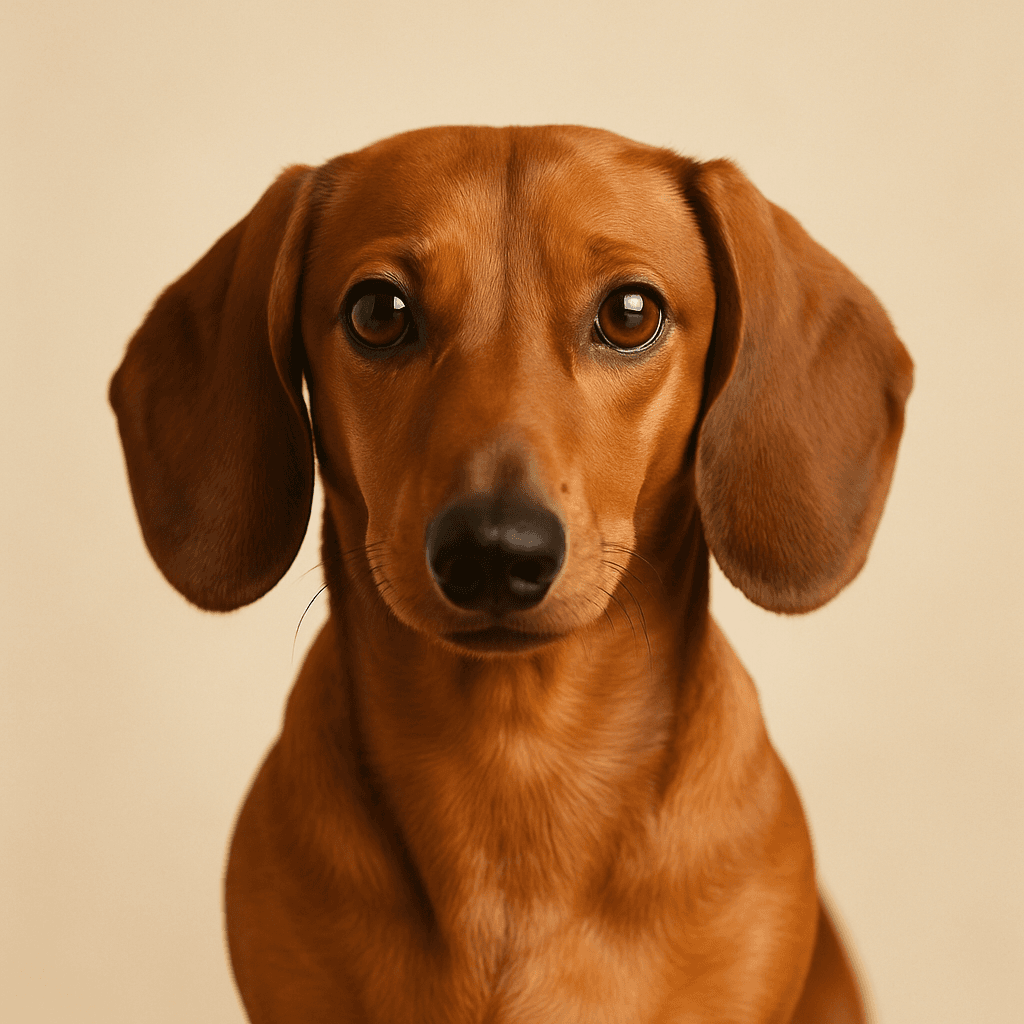
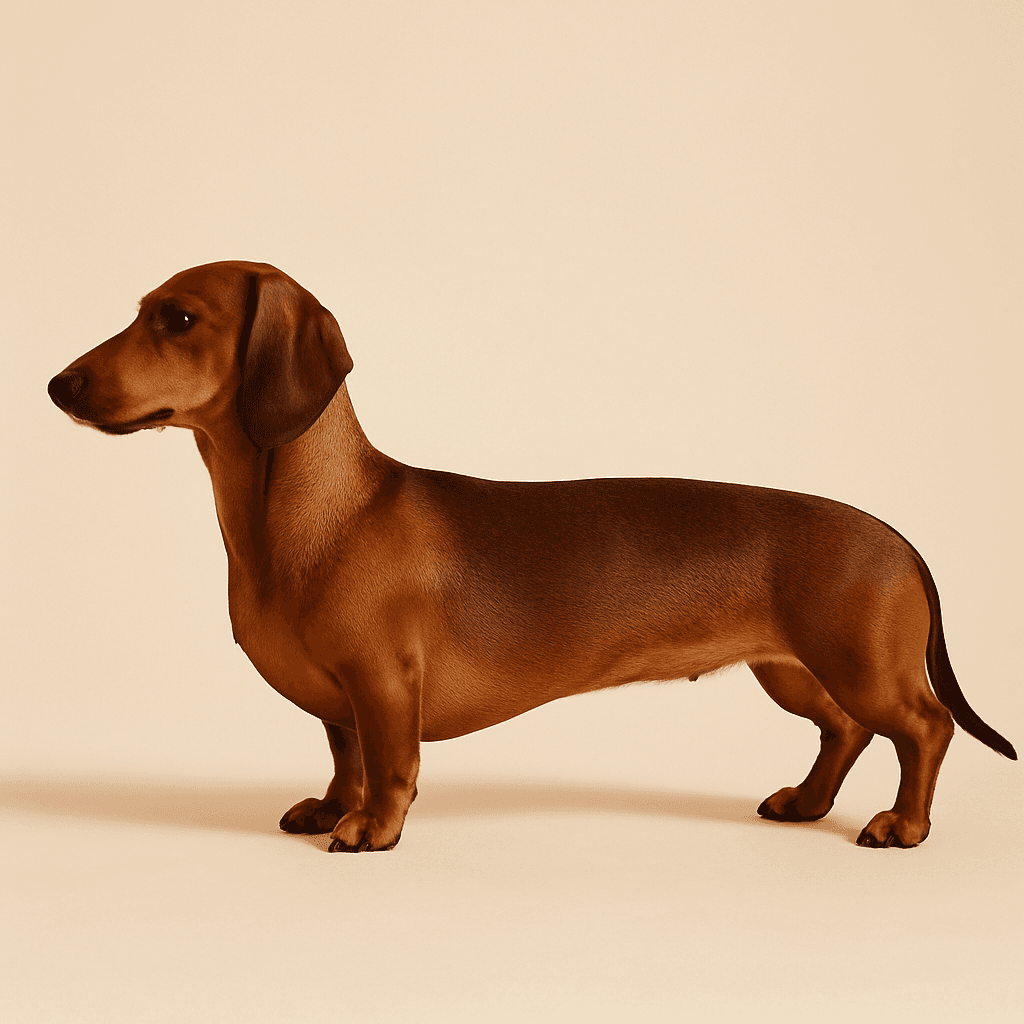
The Miniature Smooth-Haired Dachshund is the most immediately recognisable and most popular of the six Dachshund varieties - the classic image of the breed, with its elongated body, shortened legs and short, gleaming coat that lies flat and close to the skin. Developed in Germany over several centuries as a scent hound bred to pursue badger, rabbit and other quarry underground and through dense scrub, the Dachshund in all its varieties combines a working hound's independence and nose with an affectionate, characterful personality that has made it one of the most consistently popular breeds in the UK for over a century. Registered by the Kennel Club in the Hound Group, the Miniature Smooth-Haired Dachshund is its own distinct variety.
The smooth coat is the simplest of the three coat types to maintain - short, dense, shining and requiring little more than a weekly brush to keep it in good condition. The breed comes in a range of colours including red, cream, black and tan, chocolate and tan, blue and tan, and dapple and brindle patterns. The overall impression is of a compact, purposeful little dog with a longer-than-tall silhouette and an expression of alert, self-assured intelligence.
The character is quintessentially Dachshund and not what the small, charming appearance might suggest to a new owner. The breed was developed to pursue quarry underground without direction from a human handler, which means it has independence, persistence, courage and a strong capacity for self-reliance embedded in its nature. It is not a naturally compliant breed. It has its own views about the correct course of action in any situation and will act on them, particularly when scent is involved.
With its own family the Dachshund is devoted, affectionate and often intensely bonded to its primary person. It is good with older children who treat it with respect and is generally sociable with other dogs. It is alert and vocal - it will announce visitors, unusual sounds and whatever else it deems worth noting, making it a reliable if enthusiastic watchdog. This tendency to bark should be managed with training from puppyhood, as an adult Dachshund that barks extensively can be a significant source of complaint in urban and apartment settings.
The most significant aspect of Miniature Smooth-Haired Dachshund ownership is spinal health management. Intervertebral disc disease (IVDD) is the breed's primary health challenge, arising from the structural combination of a long spine with shortened, dwarfed legs. Disc material can protrude or rupture under the stresses of normal activity, compressing the spinal cord and causing a spectrum of symptoms from back pain and reluctance to move through to sudden hindlimb paralysis. IVDD can occur at any age and can develop without warning.
Management is not optional but it is straightforward: ramps or steps to access furniture and vehicles without jumping, weight maintained at an ideal level throughout the dog's life, and avoidance of sustained high-impact activity. Every kilogram of excess body weight increases disc stress, and obesity is the single most modifiable risk factor an owner controls. Breeders who MRI-test their breeding stock through the Dachshund Health UK IVDD grading scheme are working to reduce heritable disc vulnerability, and choosing a puppy from tested parents reduces risk meaningfully.
Insurance from the day the puppy comes home, with a policy that covers inherited conditions and spinal disease, is essential. IVDD surgery costs £3,000 to £7,000 or more, and medical management of chronic cases is also a significant ongoing expense.
Purchase prices from KC-registered, MRI-tested breeders range from £1,000 to £2,000. Monthly running costs average £90 to £160. The Dachshund Breed Council is the primary resource for breed information, health testing, responsible breeders and rescue contact.
Temperament & Personality
Bold, curious, lively and devoted - the Dachshund personality is larger than the body suggests. Affectionate with its own family and typically sociable. Can be stubborn and wilful. Alert and vocal - makes an enthusiastic watchdog. Can be possessive of toys and food. Generally sociable with other dogs when well socialised.
Training
Dachshunds are intelligent but independent - bred to work alone underground, this stubbornness is genetic. Positive reinforcement and patience are essential. House training takes longer than many breeds. Recall is unreliable when scent is present. Short, consistent training sessions work best. Early socialisation important to prevent reactivity.
Exercise Needs
Miniature Smooth-Haired Dachshunds need 30-45 minutes of gentle daily exercise. Avoid jumping from heights - ramps for furniture access essential. No unsupervised stair-climbing. Regular gentle walks maintain muscle tone supporting the spine. Swimming is excellent low-impact exercise.
Health & Vet Costs
Intervertebral disc disease (IVDD) is the defining health challenge - the elongated spine and shortened legs create vulnerability to disc herniation that can cause paralysis. MRI testing of breeding stock is the most important health measure. Obesity dramatically worsens risk. Progressive Retinal Atrophy and eye conditions also occur. Lifespan 12-16 years.
Protect your Dachshund (Miniature Smooth Haired) with the right insurance
Vet costs are rising. Lifetime cover means long-term conditions stay covered for life -- not just 12 months.
Feeding & Nutrition
High-quality small breed complete food. Adults typically need 100-180g dry food daily across two meals. Weight management is critical - obesity dramatically increases IVDD risk. Monitor condition weekly. Avoid table scraps and over-treating. Fresh water always available.
Feeding your Dachshund (Miniature Smooth Haired)
How much to feed, which food types suit this breed, and what to avoid.
Grooming & Care
The short, smooth coat is the lowest-maintenance of all Dachshund varieties. Weekly brushing with a soft brush or hound glove removes loose hair. Occasional bathing as needed. Ears must be checked regularly for infection. Dental care is important. Nails need regular trimming.
Costs of Ownership
Miniature Smooth-Haired Dachshund puppies from MRI-tested KC-registered breeders typically cost £1,000-£2,000. IVDD surgery can cost £3,000-£7,000. Insurance covering spinal conditions is essential from day one. Annual ongoing costs average £1,200-£1,800.
Is a Dachshund (Miniature Smooth Haired) Right for You?
Families, individuals and older owners. Good for smaller homes and urban living. IVDD management requires ramps, no jumping and strict weight control - not suited to households where this cannot be maintained. Good with older children. Can be vocal and possessive. Strong scent instinct - secure garden essential.
Related Guides
Free newsletter
Get the weekly guide for UK dog owners
Breed spotlights, training tips and health advice delivered every week.