Deerhound
Complete UK breed guide
Quick answer
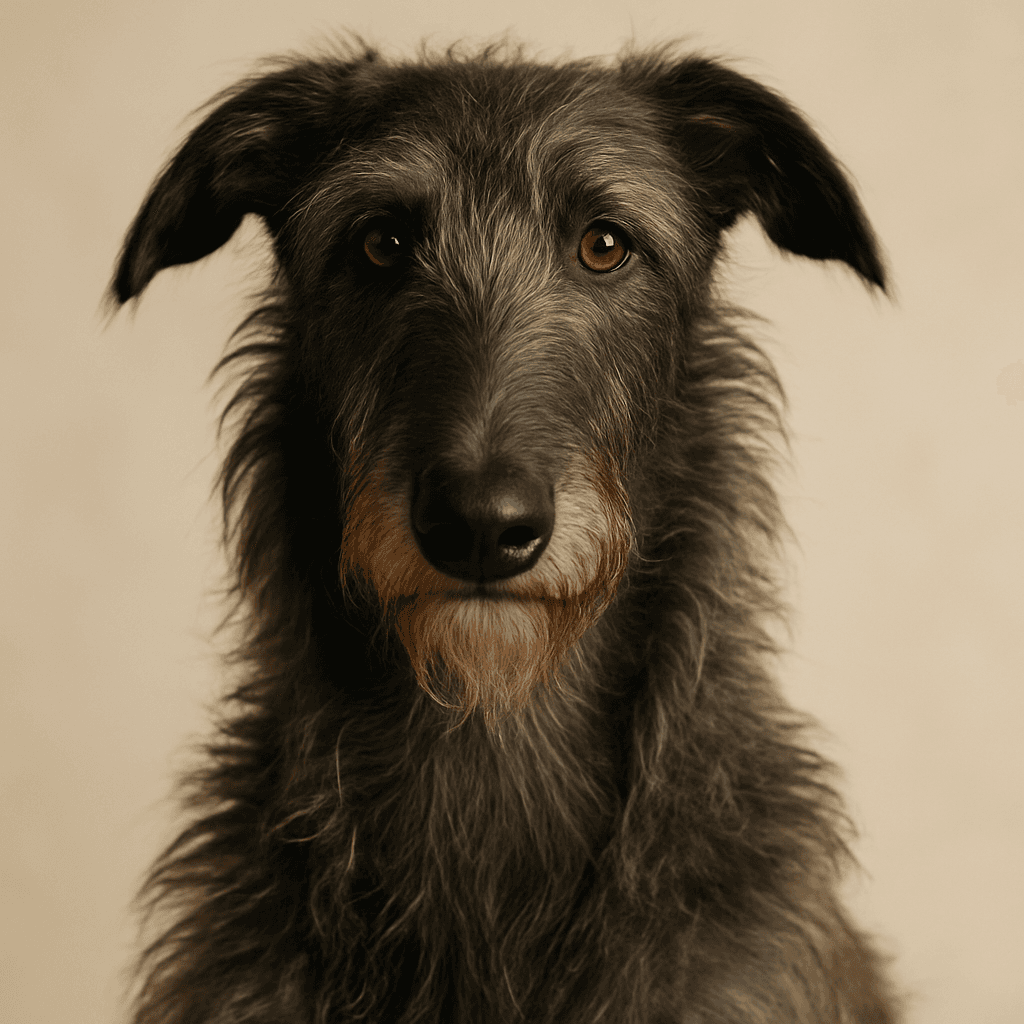
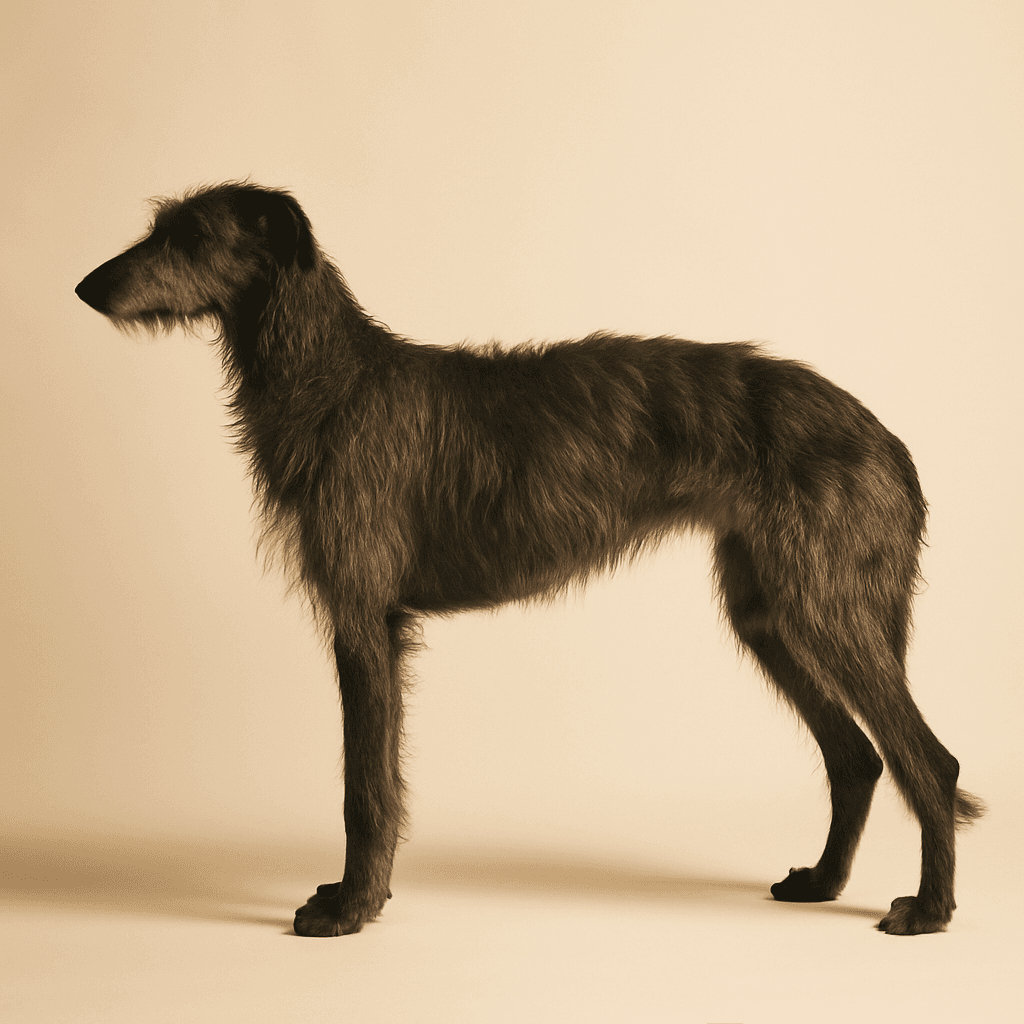
The Scottish Deerhound is one of the tallest dog breeds - an ancient sighthound bred to course red deer in the Scottish Highlands. Gentle, dignified and deeply loyal. Cardiac disease is the primary health concern - parents must be cardiac-screened. Secure fencing essential. KC Hound Group. Lifespan 8-11 years.
Quick Facts
- Size
- Large
- Weight
- 36–45 kg
- Lifespan
- 8–11 years
- Breed Group
- Hound
- Exercise
- 75–90 mins/day
- Activity Level
- Moderate
- Grooming
- Moderate
- Monthly Cost
- £130–£200/month
- Temperament
- —
- Good with Children
- Yes
- Good with Dogs
- Yes
- Good for First Timers
- No
- Suits Flats
- No
Breed Overview
The Scottish Deerhound is one of the most ancient and historically significant dog breeds associated with the British Isles, a large sighthound developed in the Scottish Highlands over many centuries for the specific purpose of coursing red deer across open moorland terrain. Closely related to the Irish Wolfhound and sharing deep ancestry with the sighthound group that spread across Europe from ancient origins in the Middle East, the Deerhound was for centuries the exclusive companion of Scottish nobility - no one below the rank of Earl was permitted to own one, and the breed's association with Highland clan culture made it a symbol of status and heritage. Registered by the Kennel Club in the Hound Group, it is a rare and magnificent breed with a devoted but relatively small following.
The Deerhound is one of the tallest dog breeds. Adult males typically stand 76 centimetres or more at the shoulder and weigh 40 to 50 kilograms, with a build that is lean, muscular and built for sustained speed over rough terrain. The coat is rough, harsh and shaggy in blue-grey, brindle, yellow, red or fawn shades - a coat that provides weather protection in Scottish conditions while adding to the breed's distinctively rugged, ancient appearance.
The character is one of the Deerhound's most extraordinary qualities. Despite the size and ancient hunting purpose, the Deerhound is among the gentlest large breeds in existence. It is soft-natured, calm, affectionate and devoted to its family in a quiet, undemonstrative way that suits owners who appreciate dignity over exuberance. It is not a guard dog - its natural response to strangers is curiosity and friendship rather than suspicion. It is not a demanding breed in terms of attention or stimulation requirements. It is, in the truest sense of the term, a gentle giant.
Outside, the sighthound nature activates. The Deerhound was bred to pursue and bring down a full-grown red deer at high speed, and the prey drive directed at small and medium-sized running animals is powerful. Recall in open areas around prey animals cannot be relied upon. Secure fencing for any off-lead exercise area is non-negotiable - the breed is athletic and capable of clearing significant obstacles when motivated.
The prey drive makes the Deerhound incompatible with cats and small pets in the household without extraordinarily careful management, and many individuals will never be reliably safe with small animals regardless of early socialisation.
The Deerhound's cardiac health is the most serious and immediate health concern for the breed. Dilated cardiomyopathy and associated arrhythmias are disproportionately common in Scottish Deerhounds compared to most breeds, and cardiac testing of both parents before breeding is the minimum acceptable health standard. Bloat - gastric dilatation-volvulus - is a potentially fatal emergency condition that is more common in deep-chested large breeds and requires immediate veterinary attention.
Lifespan of 8 to 11 years is relatively short and is a characteristic of the giant and near-giant sighthound type that prospective owners must accept.
Purchase prices from KC-registered, cardiac-tested breeders range from £1,200 to £2,500. Monthly running costs average £160 to £280, reflecting the significant food, insurance and potential health costs of a large breed. The Scottish Deerhound Club is the primary resource for breed information, responsible breeders, health testing requirements and rescue contact.
Temperament & Personality
The Scottish Deerhound is gentle, affectionate and dignified - one of the most gentle large breeds in existence. Loyal and devoted to its own family, typically friendly with people and other large dogs. Calm and quiet indoors. Strong prey drive outside makes it unreliable around small animals. Not a guard dog despite its size.
Training
Scottish Deerhounds are gentle and willing but have the independent sighthound nature. They respond well to positive reinforcement. Recall in open areas is unreliable around prey - management through secure environments is more reliable than training alone. Early socialisation is important to build confident, stable adult temperament.
Exercise Needs
Scottish Deerhounds need 1-1.5 hours of daily exercise including off-lead running in a securely fenced area. As a large sighthound they need space to stretch their stride. Despite their size they are calm indoors. Puppies must have strictly limited exercise to protect developing joints - no stairs, no jumping until 12-18 months.
Health & Vet Costs
Cardiac disease - particularly dilated cardiomyopathy and associated arrhythmias - is the most serious health concern in Scottish Deerhounds. Cardiac screening of breeding stock is critical. Bloat (GDV) is a serious risk in this deep-chested breed. Osteosarcoma (bone cancer) is more common in large and giant breeds. Liver shunt has been documented. Lifespan 8-11 years is relatively short for the breed's character and quality.
Protect your Deerhound with the right insurance
Vet costs are rising. Lifetime cover means long-term conditions stay covered for life -- not just 12 months.
Feeding & Nutrition
High-quality large to giant breed complete food. Adults typically need 500-800g dry food daily across two meals. Two meals reduce bloat risk. Monitor body condition - sighthounds can lose condition quickly. Avoid exercise immediately after feeding. Fresh water always available.
Feeding your Deerhound
How much to feed, which food types suit this breed, and what to avoid.
Grooming & Care
The rough, shaggy coat needs brushing one to two times weekly to remove tangles and dead hair. It is naturally weather-resistant and dirt-shedding. No professional grooming is required. Ears need regular checking. Nails must be trimmed monthly - important in a large breed. Dental care essential.
Costs of Ownership
Scottish Deerhound puppies from cardiac-screened KC-registered breeders typically cost £1,200-£2,500. Annual ongoing costs including food, insurance and routine care average £2,000-£3,000. Cardiac conditions can generate significant veterinary costs. Insurance from day one is strongly recommended.
Is a Deerhound Right for You?
Active owners with a large home and garden. Not suitable for urban apartments. Needs 1-1.5 hours daily exercise including off-lead running in a secure area. Gentle and good with respectful older children. Cardiac health screening of parents is non-negotiable. Not suited to households with cats or small pets.
Related Guides
Free newsletter
Get the weekly guide for UK dog owners
Breed spotlights, training tips and health advice delivered every week.