Drever
Complete UK breed guide
Quick answer
The Drever is a Swedish short-legged scenthound developed for deer hunting, combining a hound's tenacity and nose with a compact, low-slung body. Hardy, vocal and determined. Rare in the UK - finding a reputable breeder requires research. KC Hound Group. Lifespan 12-15 years.
Quick Facts
- Size
- Small
- Weight
- 13–15 kg
- Lifespan
- 12–15 years
- Breed Group
- Hound
- Exercise
- 45–60 mins/day
- Activity Level
- Moderate
- Grooming
- Low
- Monthly Cost
- £90–£140/month
- Temperament
- —
- Good with Children
- Yes
- Good with Dogs
- Yes
- Good for First Timers
- Yes
- Suits Flats
- No
Breed Overview
The Drever is a Swedish scenthound developed in the early twentieth century primarily for the purpose of deer hunting, specifically the slow, methodical drive of deer toward waiting hunters across the Swedish countryside. Created by crossing the Westphalian Dachsbracke - a short-legged German scenthound - with local Swedish hunting dogs, it was recognised as a distinct Swedish breed in 1947 and has since become one of Sweden's most popular hunting breeds. Registered by the Kennel Club in the Hound Group, it is exceptionally rare in the UK and finding a reputable breeder typically requires direct contact with Swedish breed clubs or a willingness to import.
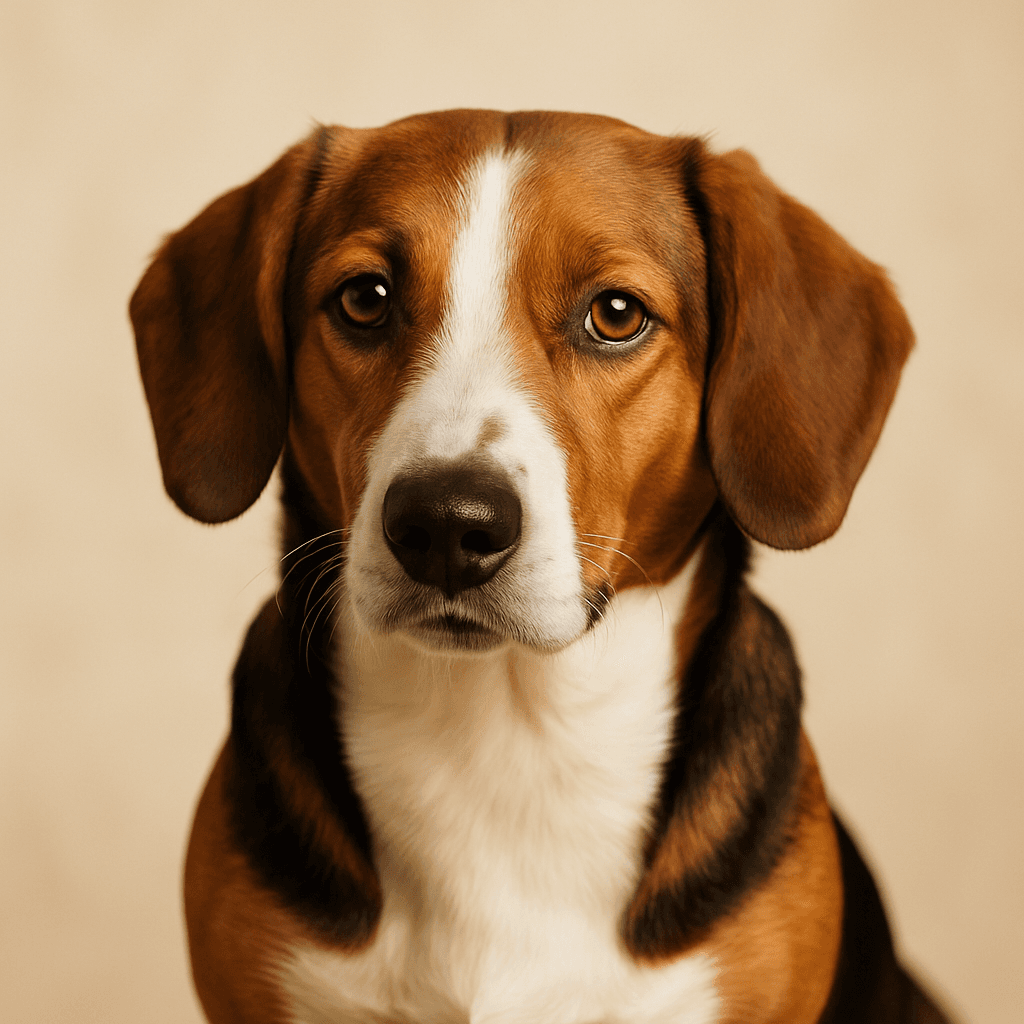
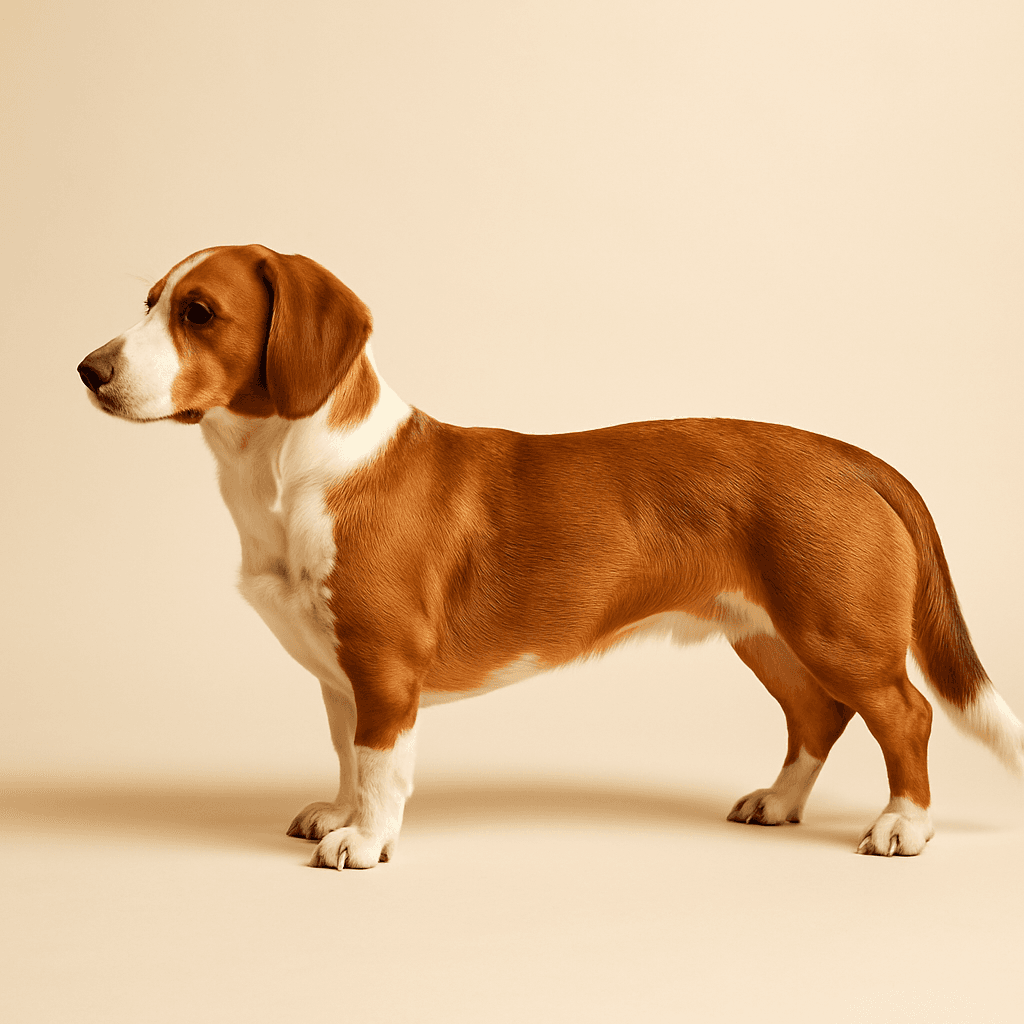
The Drever's appearance reflects its hunting function. It is a short-legged, longer-than-tall breed with a sturdy, muscular body, long drop ears, a broad skull and the general build of a dog designed for sustained work over demanding terrain rather than speed. The coat is short, dense and comes in various colours including red, tan, black and white, and tricolour combinations. The breed is slightly larger than a Dachshund but shares the general low-slung, short-legged silhouette of the short-legged scenthound type.
The character is classic working hound. The Drever is friendly, good-natured and sociable - a breed that gets on well with people of all ages and other dogs in the household. At home it is companionable and adaptable. Out on a scent, it becomes a focused, determined and methodical tracking machine that will follow a trail with persistence and independence. This is precisely what it was bred to do, and the instinct is deep.
The practical implication of the hound character is consistent across all scenthound breeds: recall in open areas where interesting scent is present cannot be relied upon, and a securely fenced garden or secure exercise area is not optional. The Drever's scenting ability is exceptional and its determination on a trail is the quality that made it useful for deer driving, but it creates the same management requirements as any hound in a domestic setting.
The Drever is also a vocal breed. It uses its voice when tracking and when excited, which is characteristic and appropriate for a hunting hound but should be considered by prospective owners in settings where noise could be a concern.
Exercise needs are moderate to high. The breed has the stamina of a working hunting dog and benefits from 1 to 1.5 hours of daily activity. Nose work, tracking and other scent-based activities provide the most natural and fulfilling exercise for this breed.
Health is generally excellent, as expected from a breed shaped by working requirements rather than aesthetic selection. Lifespan is typically 12 to 15 years. Monthly running costs average £90 to £150. For prospective owners, the Swedish Kennel Club and the Drever breed society in Sweden are the primary contacts for reputable breeders and any rehoming enquiries.
Temperament & Personality
The Drever is hardy, determined, energetic and friendly. Typical hound character - good-natured and sociable with people and other dogs, but independent when scent is involved. Good with children. Not aggressive. Alert and vocal - will use its voice when tracking or when excited. Devoted and companionable at home.
Training
Drevers are intelligent but have the independent hound mind - they follow their nose first. Positive reinforcement works well for basic training. Recall in open areas around scent is unreliable and management through secure environments is more reliable than training alone. Early socialisation important. Nose work and tracking activities are natural outlets.
Exercise Needs
Drevers need 1-1.5 hours of daily exercise. Their hound nature means they are tenacious on a scent trail and recall can be unreliable when tracking. A secure garden is essential. They have good stamina and enjoy purposeful outdoor activity. Mental stimulation through nose work and tracking suits the breed well.
Health & Vet Costs
The Drever is generally a healthy, hardy working breed with few documented inherited conditions. Hip evaluation is advisable. Ear infections are possible given the drop ear conformation. As a rare breed in the UK, health data is limited. The breed's working origins suggest a generally robust constitution. Lifespan 12-15 years.
Protect your Drever with the right insurance
Vet costs are rising. Lifetime cover means long-term conditions stay covered for life -- not just 12 months.
Feeding & Nutrition
High-quality small to medium breed complete food. Adults typically need 200-300g daily across two meals. Monitor body condition - can gain weight with reduced exercise. Fresh water always available.
Feeding your Drever
How much to feed, which food types suit this breed, and what to avoid.
Grooming & Care
The short, dense coat is low-maintenance. Weekly brushing removes loose hair. Occasional bathing as needed. Ears need regular checking - long, drop ears can trap moisture and cause infections. Nails need regular trimming. Dental care important.
Costs of Ownership
Drever puppies are extremely rare in the UK and prices are not standardised. Importing from Sweden is often necessary. Expect significant research time and waiting lists. Annual ongoing costs including food, insurance and routine care average £1,000-£1,600. The breed is generally healthy.
Is a Drever Right for You?
Active owners with experience of hound breeds. Good with families. Needs 1-1.5 hours daily exercise and a secure garden - scent instinct makes recall unreliable. Vocal breed - not suited to noise-sensitive environments. Very rare in the UK - significant patience required to find a reputable breeder.
Related Guides
Free newsletter
Get the weekly guide for UK dog owners
Breed spotlights, training tips and health advice delivered every week.