
Eurasier
Complete UK breed guide
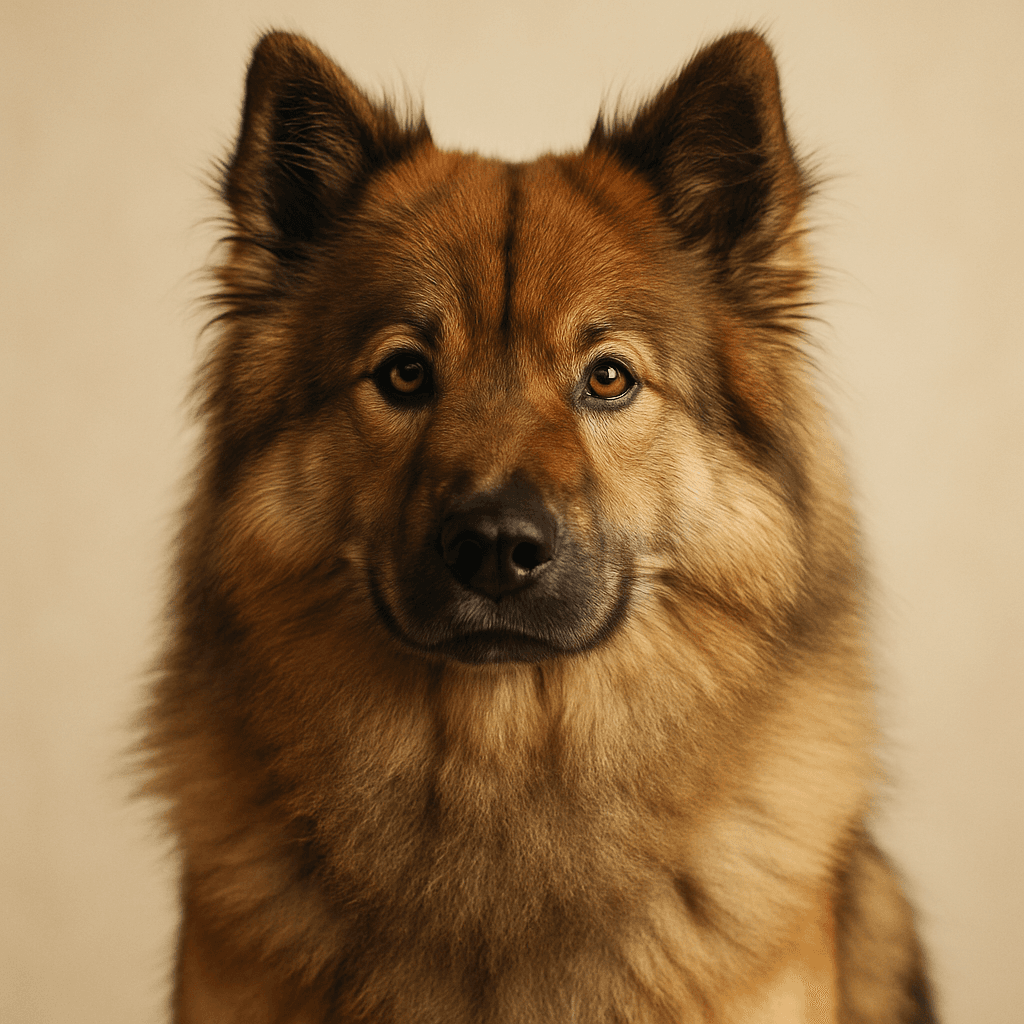
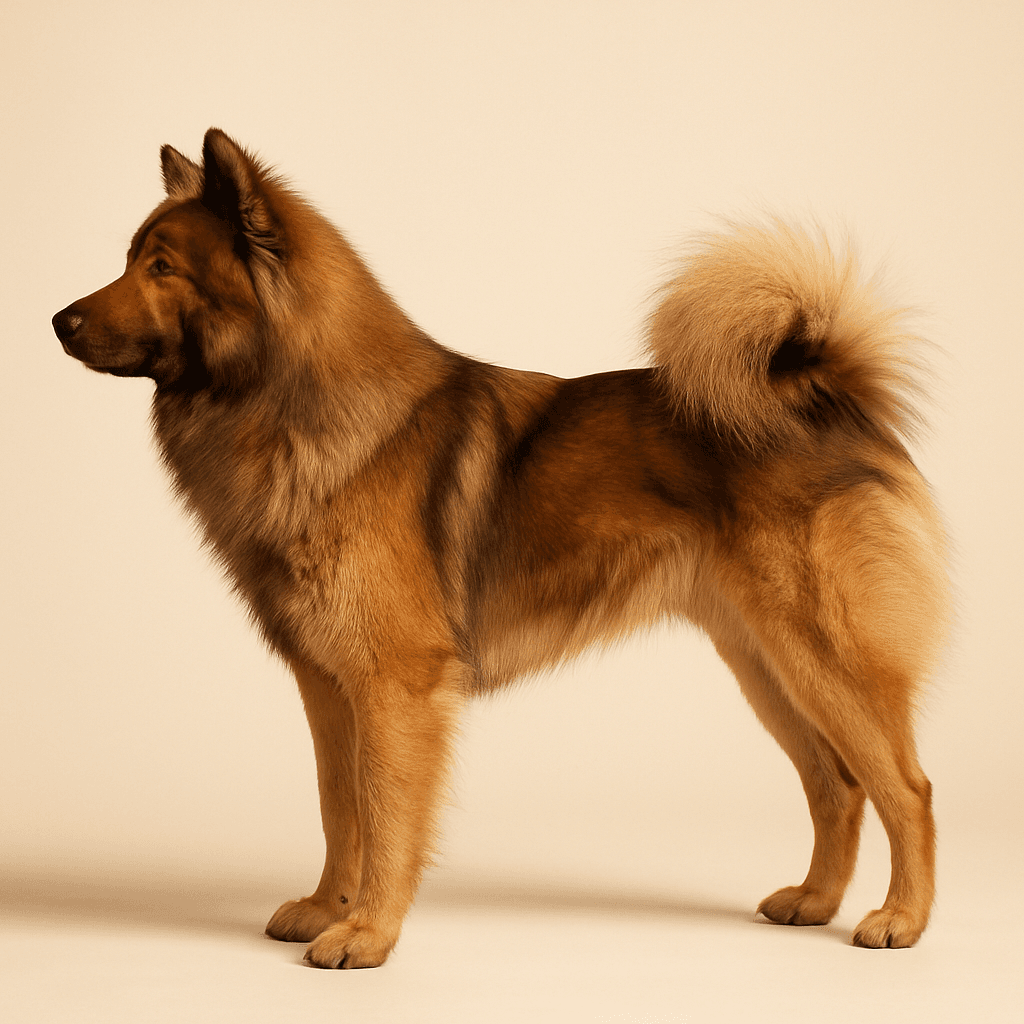
Quick answer
The Eurasier is a relatively young German breed created by Julius Wipfel, combining Chow Chow, Wolfspitz and Samoyed. Calm, gentle and deeply people-bonded. Cannot thrive without close family contact. Hip dysplasia and thyroid conditions are primary health concerns. KC Utility Group. Lifespan 12-14 years.
Quick Facts
- Size
- Medium
- Weight
- 18–32 kg
- Lifespan
- 12–14 years
- Breed Group
- Working
- Exercise
- 45–60 mins/day
- Activity Level
- Moderate
- Grooming
- Moderate
- Monthly Cost
- £110–£170/month
- Temperament
- —
- Good with Children
- Yes
- Good with Dogs
- Yes
- Good for First Timers
- No
- Suits Flats
- No
Breed Overview
The Eurasier is a relatively young breed, created in Germany in the 1960s by Julius Wipfel, who sought to develop a companion dog with the calm temperament and close family bonding of the Chow Chow combined with the sociability and trainability of European spitz-type dogs. The breed was created through carefully planned crosses between the Chow Chow, the German Wolfspitz and later the Samoyed, producing a dog that has since been recognised by kennel clubs worldwide and developed a small but dedicated following in the United Kingdom. Registered by the Kennel Club in the Utility Group, it is uncommon but increasingly known.
The Eurasier's physical appearance reflects its mixed heritage. It is a medium-sized, balanced dog with a thick double coat, a broad, slightly flattened head and the typical spitz expression: alert, calm and intelligent. The coat comes in a wide range of colours including fawn, red, wolf grey, black, black and tan and various combinations. The tail curls or lies over the back in characteristic spitz fashion. Adults typically stand 48 to 60 centimetres at the shoulder and weigh 18 to 32 kilograms.
The character is the Eurasier's defining quality and what its creator specifically sought to achieve. It is calm, gentle, even-tempered and deeply loyal to its own family. It is reserved rather than actively unfriendly with strangers - a breed characteristic that should not be confused with shyness or aggression. Given time, it may warm to people outside the family circle, but it will never be the gregarious, universally friendly breed that some other companion dogs are.
The Eurasier's relationship with its own family is close and genuine. It needs to be with its people. Unlike some breeds that tolerate separation relatively well, the Eurasier can become anxious and unhappy if left alone for extended periods. This is the most important consideration for prospective owners: a Eurasier needs a household where it has consistent company.
With its family it is gentle, affectionate and settled. It is good with children and typically accepts other household pets without difficulty. It does not have high-drive working instincts and is generally manageable for owners who have not previously kept a dog, provided they understand the breed's need for company and regular moderate exercise.
Hip dysplasia and hypothyroidism are the two primary inherited health concerns and both should be tested in parents before breeding. The Eurasier Club UK maintains health monitoring across the breed population.
Purchase prices from KC-registered, health-tested breeders range from £1,200 to £2,500. Monthly running costs average £90 to £160. The Eurasier Club UK is the primary resource for breed information, health testing, responsible breeders and rescue contact.
Temperament & Personality
Calm, gentle, loyal and deeply bonded to its family - the Eurasier is a remarkably even-tempered breed. Reserved rather than gregarious with strangers, which is a breed characteristic rather than shyness. Good with children and other pets. Not aggressive. Needs to be with its people. Undemanding indoors but genuinely needs company.
Training
Eurasiers are intelligent and willing but can be sensitive and somewhat independent. Positive reinforcement works well. They do not respond to harsh training methods. Early socialisation is important as the breed can be initially reserved with strangers. Gentle, consistent training from puppyhood produces well-mannered, settled adults.
Exercise Needs
Eurasiers need 1-1.5 hours of daily exercise. They are active but not high-energy working dogs - they enjoy moderate walks, play and exploration. They do not have extreme exercise needs but need regular daily activity for physical and mental wellbeing. Good for active but not extreme lifestyles.
Health & Vet Costs
Hip dysplasia is the primary health concern - both parents must be hip-scored. Hypothyroidism is documented in the breed and thyroid testing of parents is important. Inherited eye conditions including distichiasis have been recorded. The Eurasier Club maintains a health testing and monitoring programme. Lifespan 12-14 years.
Protect your Eurasier with the right insurance
Vet costs are rising. Lifetime cover means long-term conditions stay covered for life -- not just 12 months.
Feeding & Nutrition
High-quality medium breed complete food. Adults typically need 200-300g dry food daily across two meals. Monitor body condition. Eurasiers can be selective eaters. Fresh water always available.
Feeding your Eurasier
How much to feed, which food types suit this breed, and what to avoid.
Grooming & Care
The thick double coat requires brushing two to three times weekly, increasing to daily during twice-yearly heavy shedding seasons. The coat does not mat easily outside of shedding. No professional grooming required. Ears need regular checking. Nails must be trimmed regularly. Dental care important.
Costs of Ownership
Eurasier puppies from health-tested KC-registered breeders typically cost £1,200-£2,500. The breed is uncommon in the UK. Annual ongoing costs including food, insurance and routine care average £1,200-£1,800.
Is a Eurasier Right for You?
Families and individuals seeking a calm, devoted companion. Needs to be with its people - cannot be left alone for long periods. Good with children and other pets. Not suited to kennel life or homes where the dog will be frequently alone. First-time owners can succeed with research and preparation.
Related Guides
Free newsletter
Get the weekly guide for UK dog owners
Breed spotlights, training tips and health advice delivered every week.