
Field Spaniel
Complete UK breed guide
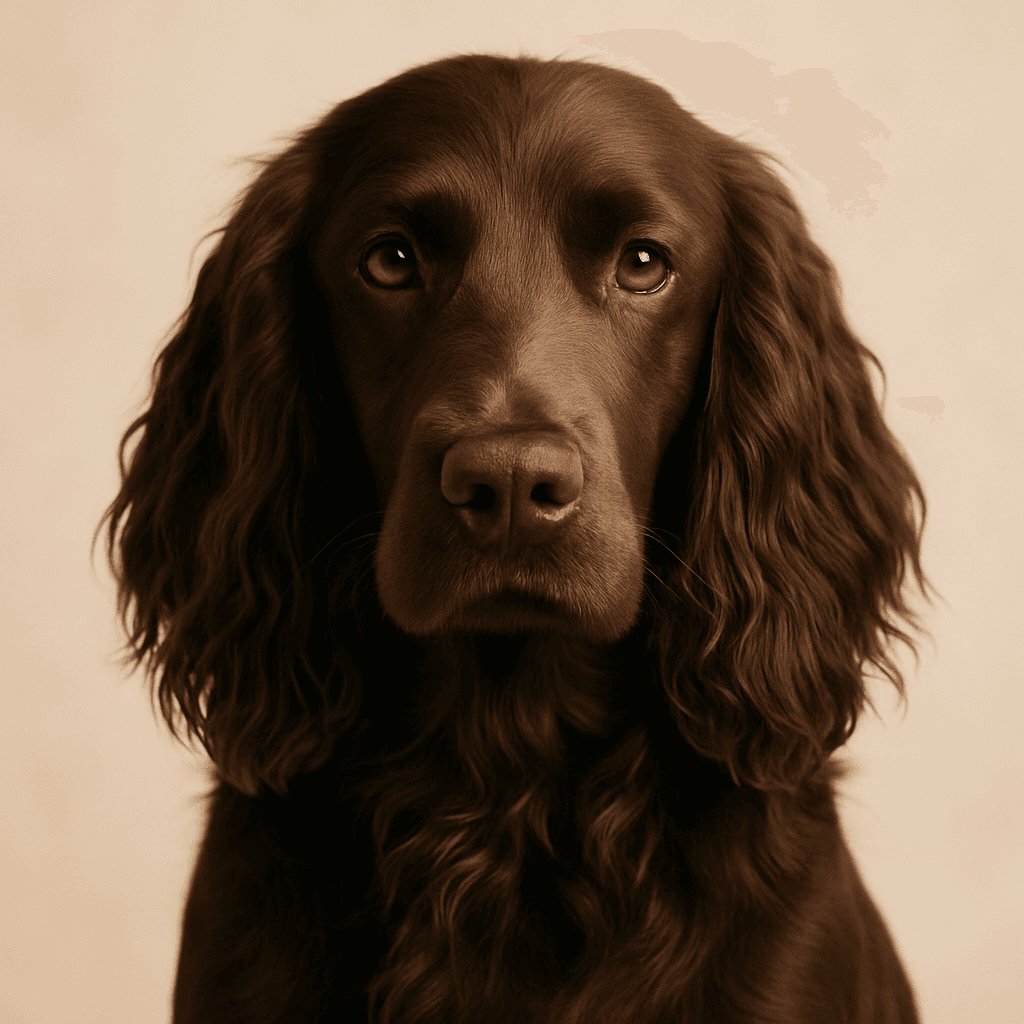
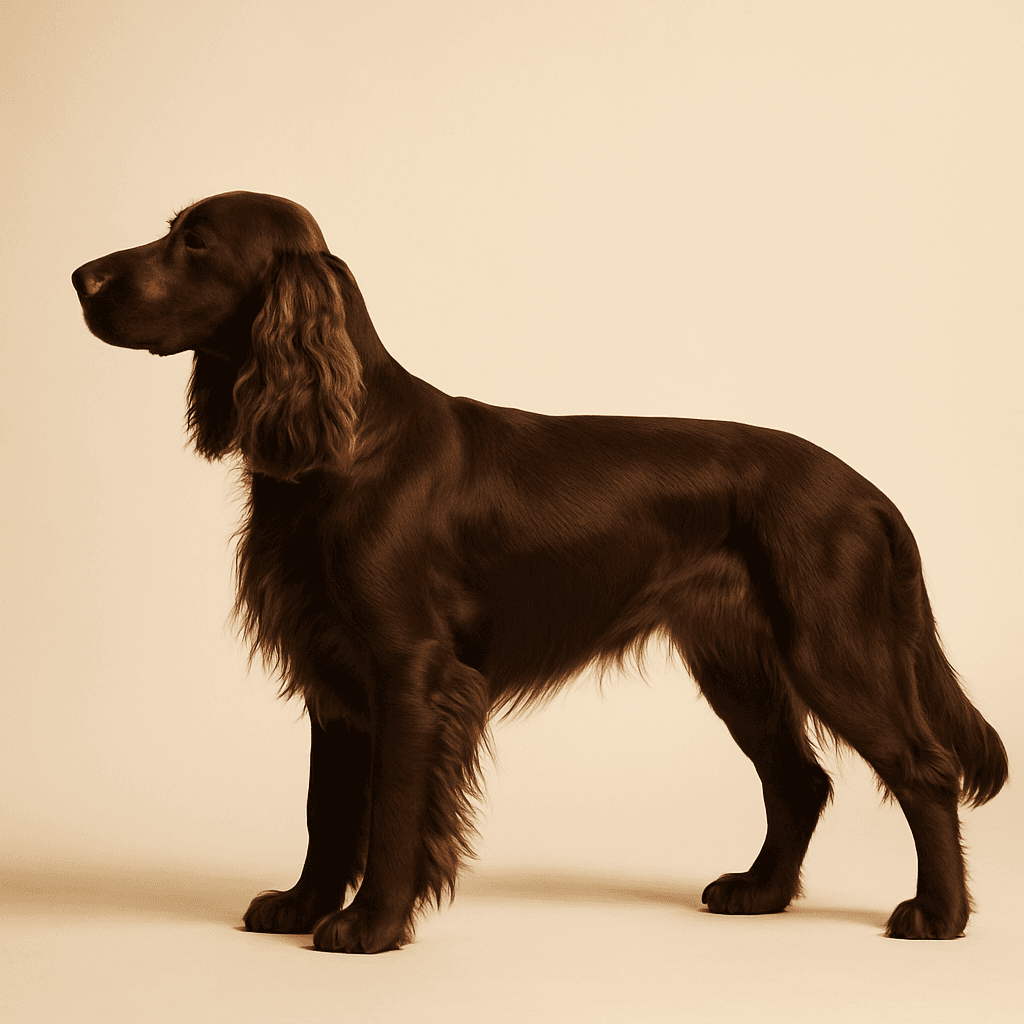
Quick answer
The Field Spaniel is a rare British gundog closely related to the Cocker Spaniel, with a moderate build and gentle, devoted character. On the Kennel Club Vulnerable Native Breed list. Active family breed needing 1.5 hours daily exercise. Hip scoring of parents essential. KC Gundog Group. Lifespan 11-13 years.
Quick Facts
- Size
- Medium
- Weight
- 18–25 kg
- Lifespan
- 11–13 years
- Breed Group
- Gundog
- Exercise
- 60–90 mins/day
- Activity Level
- Moderate
- Grooming
- Moderate
- Monthly Cost
- £100–£160/month
- Temperament
- —
- Good with Children
- Yes
- Good with Dogs
- Yes
- Good for First Timers
- Yes
- Suits Flats
- No
Breed Overview
The Field Spaniel is one of Britain's rarest and most historically interesting gundog breeds, a medium-sized spaniel with a gentle, devoted character that was once among the most popular gundog and show breeds in Victorian Britain before dramatic changes in breed type led to its near extinction and subsequent careful reconstruction. Today it holds the Kennel Club's Vulnerable Native Breed designation, with fewer than 100 puppies registered annually, and is maintained by a small group of dedicated breeders who have returned it to a working, functional type. Registered by the Kennel Club in the Gundog Group, it is a breed with a fascinating and somewhat cautionary history.
The Field Spaniel shares origins with the Cocker Spaniel, with both breeds developing from the same general English spaniel stock in the nineteenth century. In the early days of dog showing, the distinction between the two types was primarily one of weight, with dogs over 14 pounds classed as Field Spaniels. Show breeding priorities in the late Victorian era led to the Field Spaniel being bred to an extreme - excessively long, heavy and low-slung dogs that could barely move effectively and were of limited use as working dogs. This extreme show type fell out of favour rapidly, and the breed nearly disappeared in the early twentieth century.
The modern Field Spaniel was reconstituted by dedicated breeders who returned to a moderate, practical type by crossing with Springer Spaniels, English Setters and other working spaniels. The result is a balanced, functional dog that combines working ability with the characteristic spaniel temperament - gentle, loyal, enthusiastic and good-natured.
In appearance the Field Spaniel is slightly larger and more substantial than the Cocker Spaniel, with a longer body, a moderate coat with feathering on the ears, chest, legs and tail, and the characteristic spaniel expression of gentle intelligence. The coat comes in solid liver, golden liver, black and roan combinations.
The character is one of the Field Spaniel's greatest qualities. It is gentle, affectionate and devoted to its family, good with children, and sociable with other dogs. It has the classic spaniel enthusiasm for outdoor activity and enjoys working in the field as well as family life at home. It is not the most easy-going of the spaniel breeds in terms of independence, but it is responsive to positive training and keen to please.
Exercise needs are moderate to substantial - 1 to 1.5 hours daily with the opportunity for free running. Hip scoring of both parents is non-negotiable as hip dysplasia is a documented concern.
Purchase prices range from £800 to £1,500. Monthly running costs average £90 to £160. The Field Spaniel Society is the primary resource for breed information, responsible breeders and rescue contact.
Temperament & Personality
Gentle, loyal, affectionate and playful - the Field Spaniel combines the classic spaniel sweetness with slightly more independence than the Cocker. Good with children and other dogs. Enjoys family life and outdoor activity equally. Not aggressive. Can be sensitive to harsh handling.
Training
Field Spaniels are intelligent, willing and keen to please - typical of the spaniel group. Positive reinforcement training is very effective. They respond well to gundog training and also do well in obedience and agility. Early socialisation is important. Generally easy to train for an experienced spaniel owner.
Exercise Needs
Field Spaniels need 1-1.5 hours of daily exercise including off-lead running in safe areas. They love water and countryside. They have good stamina and enjoy long walks through varied terrain. Mental stimulation through retrieving and scent games suits the breed. Puppies need restricted exercise during growth.
Health & Vet Costs
Hip dysplasia is the primary health concern - hip scoring of both parents is essential. Hereditary cataract and other eye conditions are documented - eye testing of parents is advisable. Hypothyroidism has been recorded. As a Vulnerable Native Breed the small gene pool requires careful management by breeders. Lifespan 11-13 years.
Protect your Field Spaniel with the right insurance
Vet costs are rising. Lifetime cover means long-term conditions stay covered for life -- not just 12 months.
Feeding & Nutrition
High-quality medium breed complete food. Adults typically need 250-350g dry food daily across two meals. Monitor body condition. Fresh water always available.
Feeding your Field Spaniel
How much to feed, which food types suit this breed, and what to avoid.
Grooming & Care
The silky, moderately long coat with feathering needs brushing two to three times weekly to prevent tangles. Regular trimming around the ears, paws and body is needed every 8-10 weeks. Ears need regular checking - the long, feathered ears are prone to infection. Dental care important.
Costs of Ownership
Field Spaniel puppies from hip-scored KC-registered breeders typically cost £800-£1,500. As a Vulnerable Native Breed with few litters annually, waiting lists are likely. Annual ongoing costs average £1,200-£1,800.
Is a Field Spaniel Right for You?
Active families and individuals. Good with children and other dogs. Needs 1.5 hours daily exercise. The silky coat requires regular grooming. Supporting a Vulnerable Native Breed. Very rare - significant patience required to find a reputable breeder. A lovely family gundog for active, outdoors-oriented owners.
Related Guides
Free newsletter
Get the weekly guide for UK dog owners
Breed spotlights, training tips and health advice delivered every week.