
Finnish Spitz
Complete UK breed guide
Quick answer
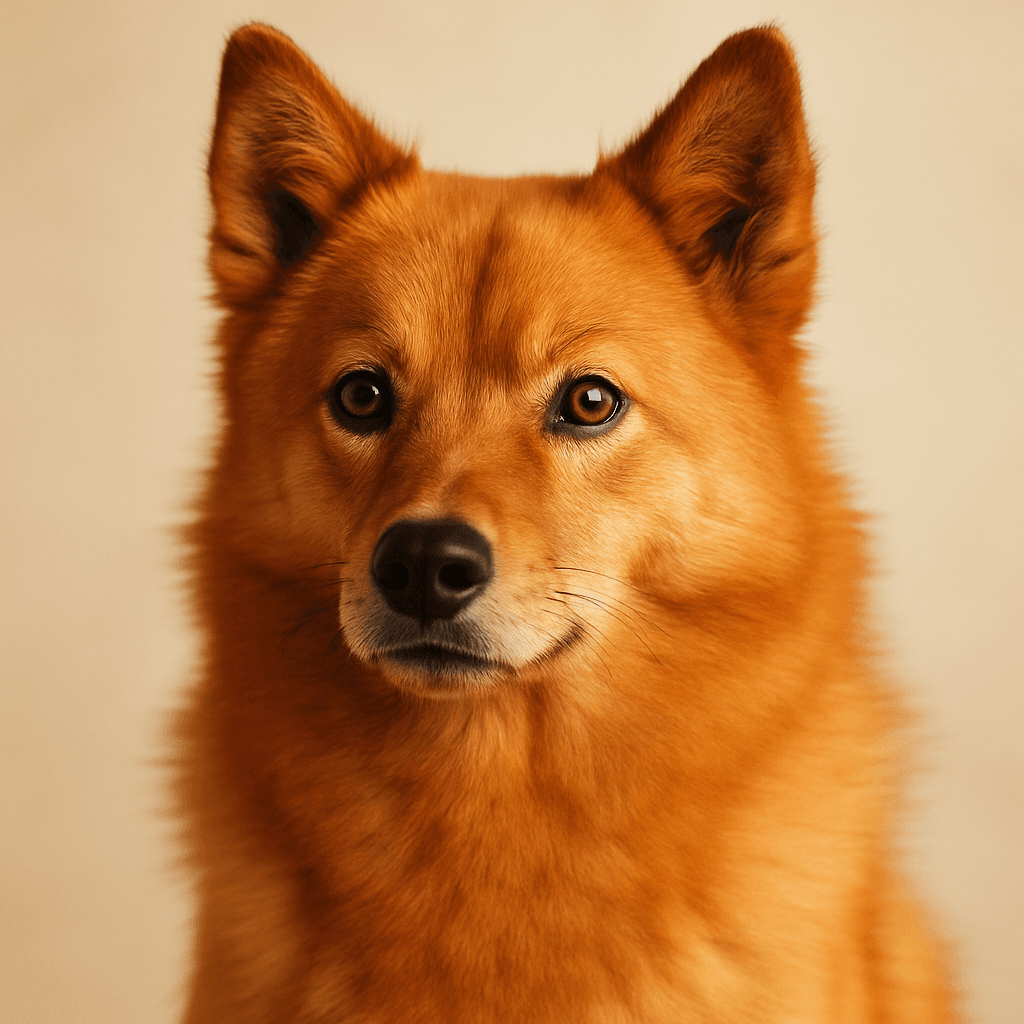
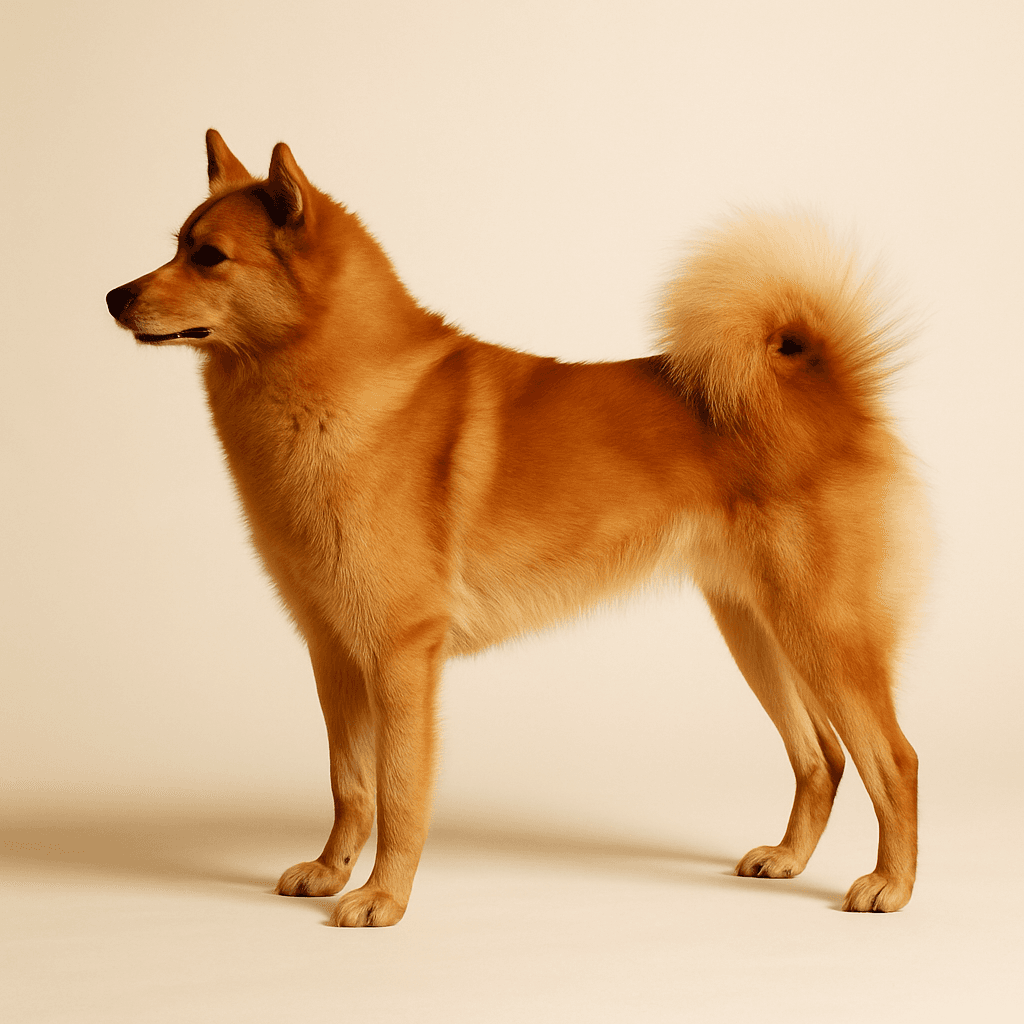
The Finnish Spitz is Finland's national dog - a lively, fox-like spitz breed developed for hunting birds by barking to locate quarry. Intelligent, vocal and independent. Very rare in the UK. Needs active owners who accept a vocal breed. KC Hound Group. Lifespan 12-14 years.
Quick Facts
- Size
- Medium
- Weight
- 14–16 kg
- Lifespan
- 12–15 years
- Breed Group
- Hound
- Exercise
- 60–75 mins/day
- Activity Level
- High
- Grooming
- Moderate
- Monthly Cost
- £100–£160/month
- Temperament
- —
- Good with Children
- Yes
- Good with Dogs
- Yes
- Good for First Timers
- Yes
- Suits Flats
- No
Breed Overview
The Finnish Spitz is Finland's national dog, a lively, fox-like hunting breed developed over many centuries by the Finnish people for the specific purpose of hunting birds - particularly capercaillie, black grouse and other forest birds - using a distinctive hunting technique in which the dog locates quarry by scent or sight, marks it by barking persistently at the base of a tree or on the ground, and directs the hunter to the bird's location. This barking hunt, known as the "bark pointing" method, is characteristic and central to the breed's working function, and the Finnish Spitz is specifically selected for the quality and persistence of its bark. Registered by the Kennel Club in the Hound Group, it is exceptionally rare in the United Kingdom but is well established in Finland and Scandinavia.
The appearance is immediately striking: a medium-sized, well-proportioned spitz type with a brilliant golden-red to honey-coloured double coat, a foxy, pointed muzzle, erect triangular ears and the characteristic curled tail of the spitz breeds. The overall impression is of a bright, alert, fox-like dog with considerable elegance and animation. Adults typically stand 39 to 50 centimetres at the shoulder and weigh 7 to 13 kilograms.
The character reflects the breed's hunting function. The Finnish Spitz is lively, animated, alert and independent. It is devoted to its own family and can be excellent with children in an active household. It is, however, a vocal breed, and this is the single most important characteristic for prospective owners to understand before pursuing the breed. The Finnish Spitz uses its voice readily and extensively - this is not a fault but a core breed characteristic that was specifically selected for over many generations of hunting use. A Finnish Spitz that barks at birds, squirrels, interesting sounds and the arrival of visitors is behaving entirely correctly for its breed type. This makes the breed unsuitable for noise-sensitive environments, apartments or situations where excessive barking would cause problems.
The independent hunting nature means recall can be unreliable when the dog's instincts are engaged, and a securely fenced garden is important. Training with positive methods can achieve good manners and a reliable recall in most contexts, but the breed will never have the compliance of a dedicated working dog.
Health is generally good, reflecting the Nordic working origins of the breed. Lifespan of 12 to 14 years is typical of the spitz-type breeds.
Monthly running costs average £80 to £140. The Finnish Spitz Club of Great Britain and the Finnish Kennel Club are the primary resources for breed information, responsible breeders and contact.
Temperament & Personality
Lively, animated, alert and loyal - the Finnish Spitz has considerable personality. It is active, inquisitive and expressive. Devoted to its own people. Can be reserved or cautious with strangers. Vocal - it uses its voice readily and extensively, which is a core breed characteristic. Gets on well with other dogs when well socialised. Not aggressive.
Training
Finnish Spitz are intelligent but have the independent nature of a hunting dog developed to make decisions without handler direction. Positive reinforcement works well but patience is required. Early socialisation is essential to manage the vocal tendencies. Recall training requires particular attention. The breed can be trained effectively but does not have a working-dog's compliance.
Exercise Needs
Finnish Spitz need 1-1.5 hours of daily exercise. They are active and agile, enjoying varied walks and outdoor exploration. They have good stamina and enjoy purposeful activity. Recall can be unreliable when the hunting instinct activates. A secure garden is important. Mental stimulation through training and nose work is valuable.
Health & Vet Costs
The Finnish Spitz is generally a healthy Nordic breed. Hip dysplasia can occur - hip scoring of parents is advisable. Epilepsy has been documented in the breed. As a very rare breed in the UK, health data is limited. The breed's working origins suggest general robustness. Lifespan 12-14 years.
Protect your Finnish Spitz with the right insurance
Vet costs are rising. Lifetime cover means long-term conditions stay covered for life -- not just 12 months.
Feeding & Nutrition
High-quality medium breed complete food. Adults typically need 200-300g dry food daily across two meals. Monitor body condition. Fresh water always available.
Feeding your Finnish Spitz
How much to feed, which food types suit this breed, and what to avoid.
Grooming & Care
The dense double coat sheds moderately year-round and heavily twice yearly. Weekly brushing outside of shedding season, daily during heavy shedding. The coat is self-cleaning and naturally weather-resistant. No professional grooming required. Ears need regular checking. Dental care important.
Costs of Ownership
Finnish Spitz puppies are very rare in the UK and prices are not standardised. Expect £800-£1,500 with significant waiting time. Importing from Finland or other Scandinavian countries may be necessary. Annual ongoing costs average £1,000-£1,600.
Is a Finnish Spitz Right for You?
Active individuals and families who accept a vocal, independent breed. Not suited to noise-sensitive environments - the breed is naturally very vocal. Needs 1-1.5 hours daily exercise. Very rare in UK - significant patience needed to find a breeder. Good for outdoors-oriented owners who enjoy a characterful, animated companion.
Related Guides
Free newsletter
Get the weekly guide for UK dog owners
Breed spotlights, training tips and health advice delivered every week.