German Spitz (Giant)
Complete UK breed guide
Quick answer
The German Spitz Giant (Gross Spitz) is the largest of the German Spitz varieties - a handsome, profusely coated Spitz breed. Alert, loyal and lively. Good family companion. Rare in the UK. Hip dysplasia testing of parents advisable. KC Utility Group. Lifespan 13-15 years.
Quick Facts
- Size
- Large
- Weight
- 14–18 kg
- Lifespan
- 13–15 years
- Breed Group
- Utility
- Exercise
- 30–45 mins/day
- Activity Level
- Moderate
- Grooming
- High
- Monthly Cost
- £100–£160/month
- Temperament
- —
- Good with Children
- Yes
- Good with Dogs
- Yes
- Good for First Timers
- No
- Suits Flats
- No
Breed Overview
The German Spitz Giant, known in Germany as the Gross Spitz, is the largest of the five recognised German Spitz varieties and one of the oldest of the European spitz-type breeds, with a history that is often cited as reaching back several thousand years to the Nordic breeds that accompanied early northern European peoples. Together with the German Spitz Mittel and German Spitz Klein, it forms part of a group of closely related but size-distinct breeds recognised by the Kennel Club in the Utility Group under the collective German Spitz designation. The Giant variety is rarely seen in the United Kingdom and prospective owners should prepare for a significant search for a reputable breeder.
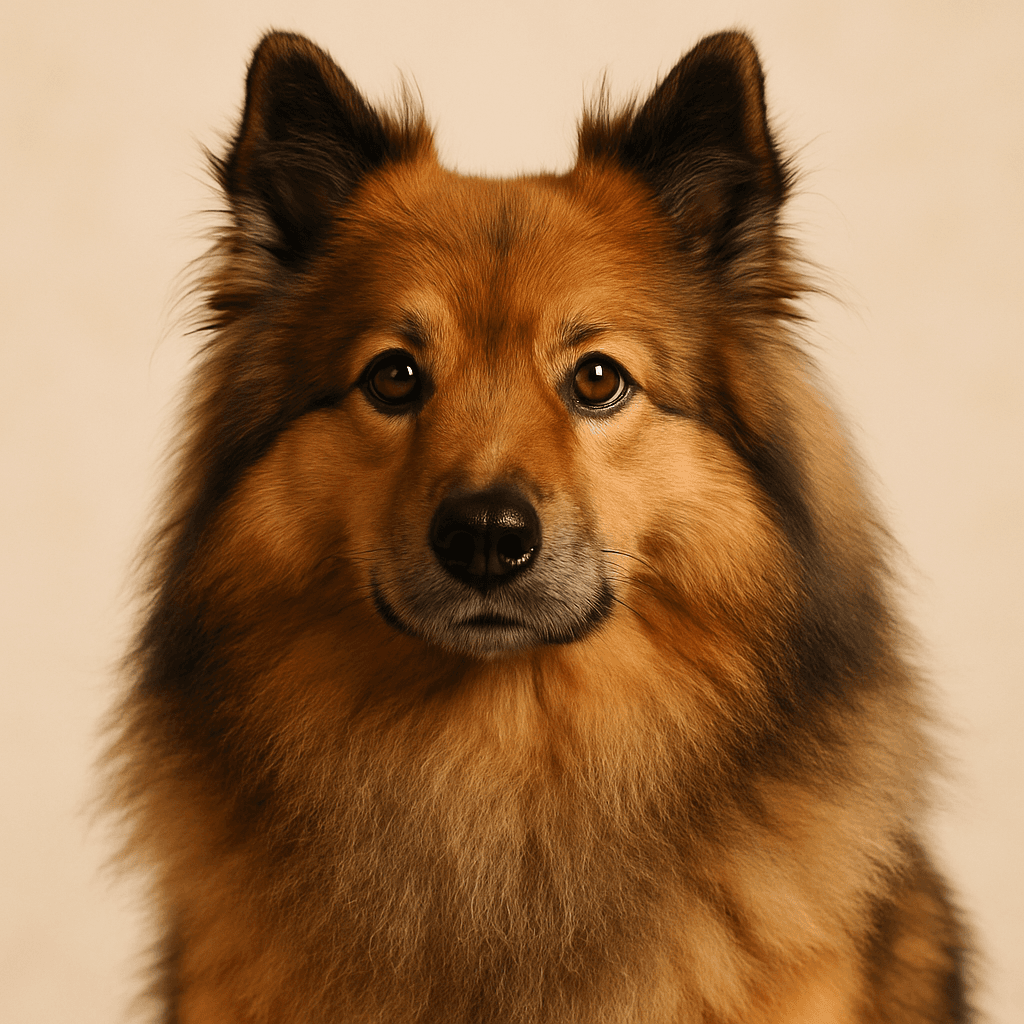
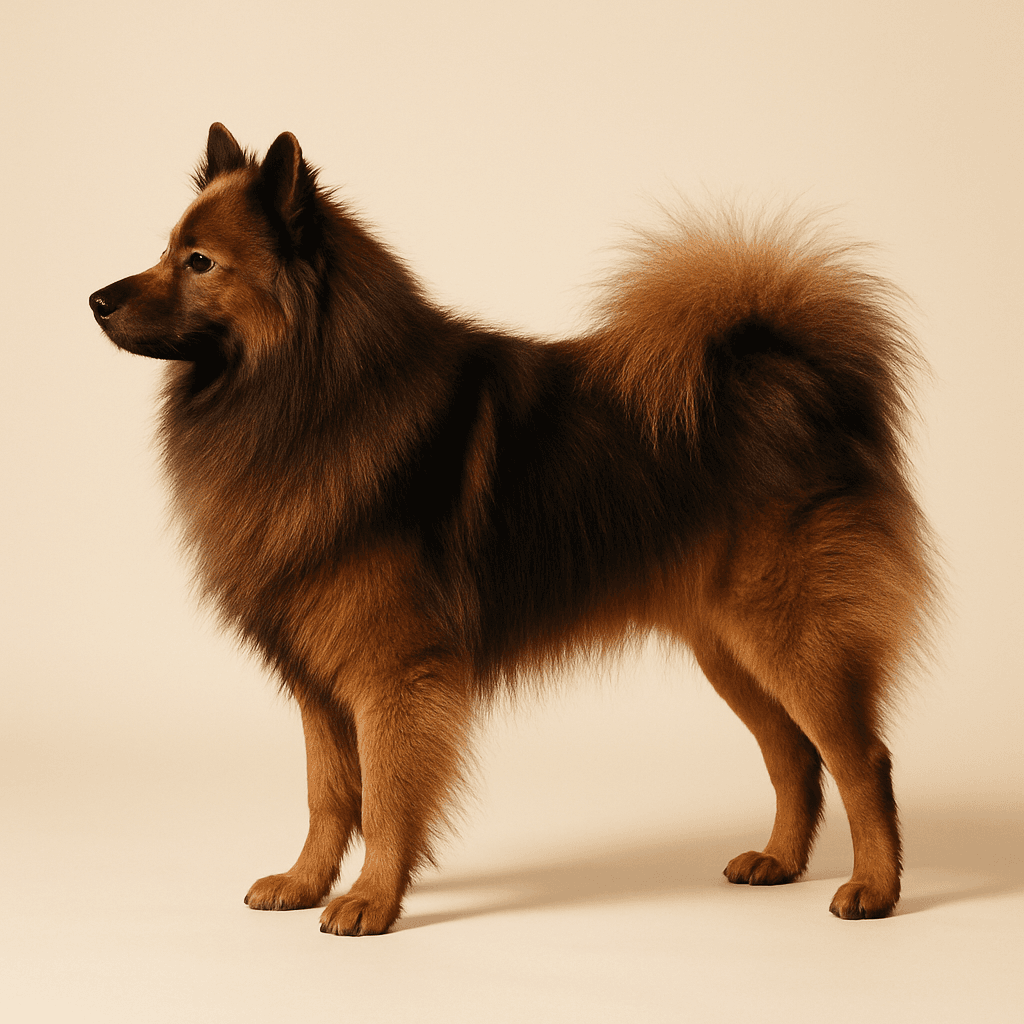
The German Spitz Giant is a handsome, substantial dog with the characteristic spitz appearance: a profuse double coat that stands off the body, a foxy, pointed muzzle, small erect triangular ears and the spitz expression of bright, alert intelligence. The coat comes in black, brown, white, orange or wolf-sable. The tail curls over the back in typical spitz fashion. Adults typically stand 42 to 50 centimetres at the shoulder and weigh 17 to 19 kilograms.
The character is typical of the German Spitz group: lively, alert, loyal and devoted to its own family, with a natural tendency toward initial caution or reservation with strangers that is a recognised breed characteristic rather than shyness or aggression. The German Spitz breeds are not naturally aggressive, but they are vocal and alert - they are watch dogs by instinct and will use their voice to signal the arrival of strangers or any change in their environment. Managing the vocal tendency from an early age through consistent training is advisable.
Within its own family the German Spitz Giant is an affectionate, adaptable and entertaining companion. It is good with children and can do well with other pets when properly socialised. Exercise needs are moderate - 1 to 1.5 hours daily is adequate - making it more manageable than some working breeds while still requiring regular activity.
The thick double coat requires regular grooming commitment. It sheds heavily twice yearly and during these periods daily brushing is necessary. The coat should never be shaved, as this permanently damages its structure.
Monthly running costs average £80 to £140. The German Spitz Club UK is the primary resource for breed information, responsible breeders and rescue contact.
Temperament & Personality
Alert, lively, loyal and devoted - the German Spitz Giant is an animated and characterful companion. Good with its own family. Initially cautious or reserved with strangers, which is a breed characteristic. Good with other dogs when well socialised. Can be vocal. Adaptable and affectionate indoors.
Training
German Spitz breeds are intelligent and can be trained effectively with positive reinforcement. They can be independent and sometimes stubborn. Early socialisation is important - the breed can be initially reserved with strangers. Consistency and patience produce well-mannered adults. Can be vocal - bark training from an early age is advisable.
Exercise Needs
German Spitz Giant need 1-1.5 hours of daily exercise. Active and lively but not extreme - they enjoy walks, play and exploration. They have good stamina. Mental stimulation through training suits the breed. Puppies need restricted exercise during growth.
Health & Vet Costs
The German Spitz Giant is generally a healthy spitz-type breed. Hip dysplasia can occur - testing of parents is advisable. Progressive Retinal Atrophy has been documented in Spitz breeds. As a very rare breed in the UK, health data is limited. The spitz-type breeds generally have good health robustness from their working origins. Lifespan 13-15 years.
Protect your German Spitz (Giant) with the right insurance
Vet costs are rising. Lifetime cover means long-term conditions stay covered for life -- not just 12 months.
Feeding & Nutrition
High-quality medium breed complete food. Adults typically need 200-350g dry food daily across two meals. Monitor body condition. Fresh water always available.
Feeding your German Spitz (Giant)
How much to feed, which food types suit this breed, and what to avoid.
Grooming & Care
The thick, profuse double coat requires brushing two to three times weekly, increasing to daily during twice-yearly heavy shedding. The outer coat is harsh and stands off the body. Professional grooming is optional. Ears need regular checking. Dental care important. The coat should never be shaved.
Costs of Ownership
German Spitz Giant puppies are very rare in the UK. Prices are not standardised - expect £800-£1,800 with significant waiting time or the need to source from European breeders. Annual ongoing costs average £1,000-£1,600.
Is a German Spitz (Giant) Right for You?
Families and individuals seeking an alert, lively companion with a striking coat. Good with children. Needs 1-1.5 hours daily exercise. The thick double coat requires regular grooming and sheds heavily. Suitable for motivated first-time owners. Can be vocal. Very rare in UK - significant patience needed to find a breeder.
Related Guides
Free newsletter
Get the weekly guide for UK dog owners
Breed spotlights, training tips and health advice delivered every week.