Griffon Bruxellois
Complete UK breed guide
Quick answer
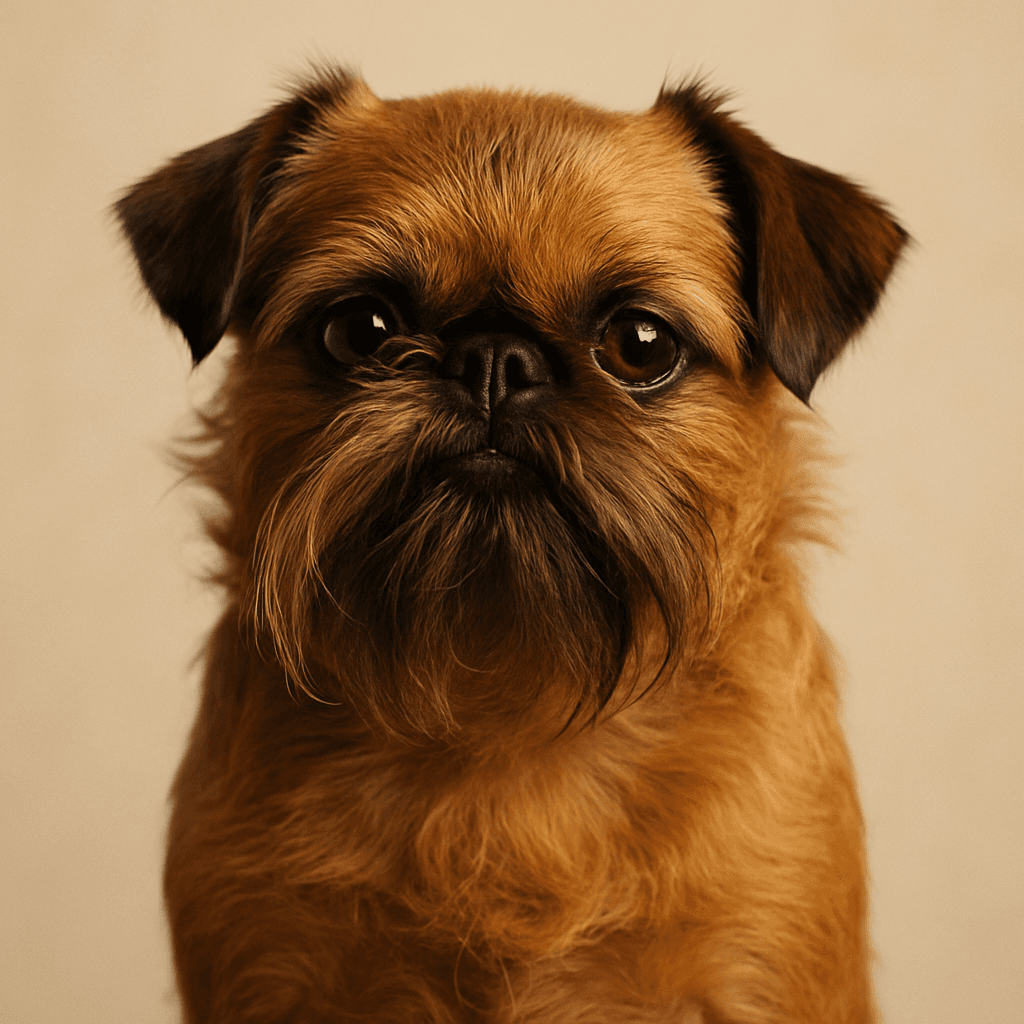
The Griffon Bruxellois (Brussels Griffon) is a charming, alert Belgian toy breed with a distinctive almost-human expression. Loyal and devoted but can be sensitive. BOAS screening is essential given the brachycephalic (shortened muzzle) face. Breed Health and Conservation Plan active. KC Toy Group. Lifespan 12-15 years.
Quick Facts
- Size
- Small
- Weight
- 4–5 kg
- Lifespan
- 12–15 years
- Breed Group
- Toy
- Exercise
- 20–30 mins/day
- Activity Level
- Moderate
- Grooming
- Moderate
- Monthly Cost
- £80–£130/month
- Temperament
- —
- Good with Children
- Yes
- Good with Dogs
- Yes
- Good for First Timers
- Yes
- Suits Flats
- Yes
Breed Overview
The Griffon Bruxellois, known in English as the Brussels Griffon, is a small Belgian toy breed with one of the most immediately distinctive and memorable faces in the dog world - a broad, rounded head with a short, pushed-in muzzle, large expressive eyes and an almost human quality of expression that has made the breed a favourite of artists, writers and dog lovers throughout its history. Developed in nineteenth-century Belgium from a mix of small working terrier-type dogs with Pug and possibly Affenpinscher influence, the Griffon Bruxellois was used originally as a stable ratter before becoming popular as a companion dog among Belgian working people and, subsequently, the aristocracy and royalty. Registered by the Kennel Club in the Toy Group, it comes in both rough-coated (wiry) and smooth-coated varieties.
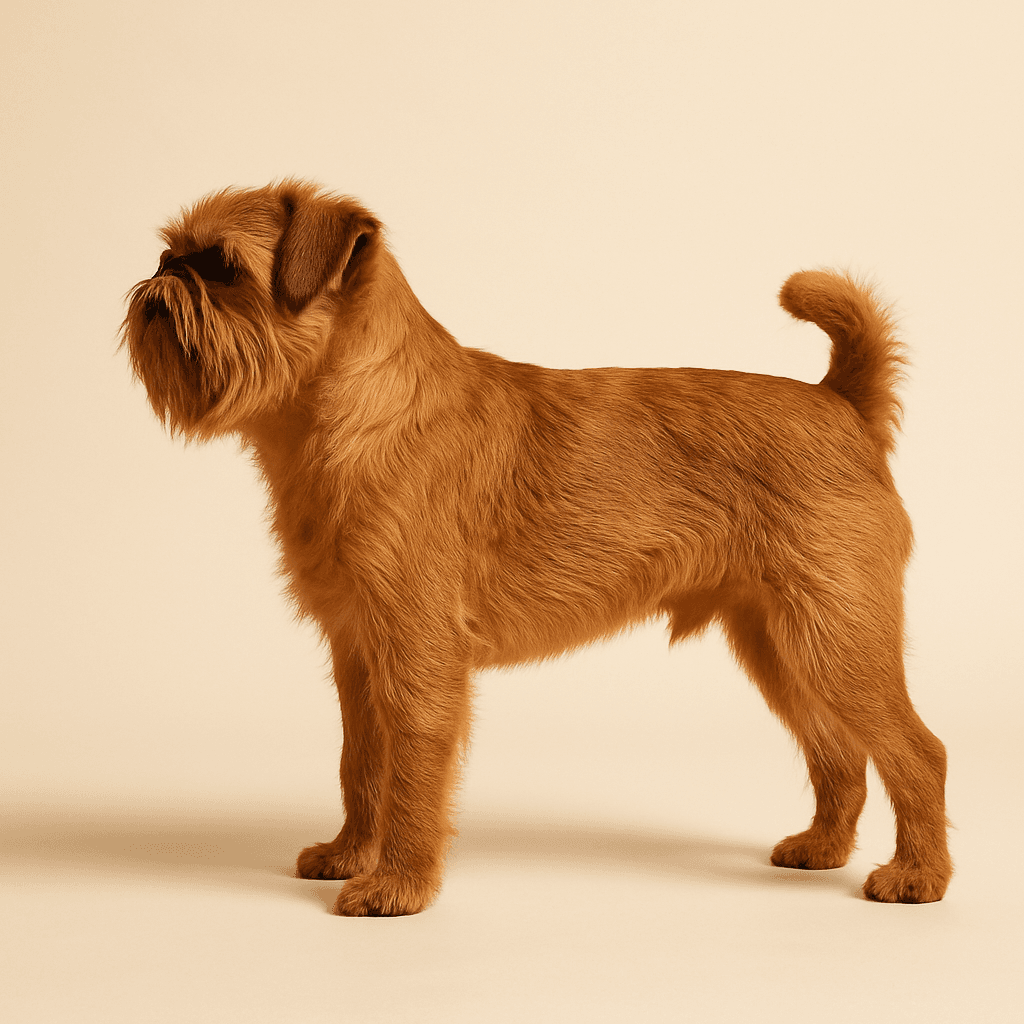
The Griffon Bruxellois is a compact, sturdy little dog with the characteristic broad, rounded head and short muzzle that defines the brachycephalic face type. The coat in the rough variety is harsh and wiry, requiring hand-stripping to maintain. The smooth variety has a close, short coat. Colours include red, black, black and tan and belge - a mix of red-brown and black. Adults typically stand 17 to 20 centimetres at the shoulder and weigh 3.6 to 4.5 kilograms.
The character is alert, curious, loyal and deeply devoted to its own people. The Griffon Bruxellois is not a passive lapdog - it is an active, observant and intelligent small dog with a big personality and genuine interest in everything going on around it. Its almost-human expression is not accidental: the breed has a genuinely expressive and communicative character that endears it strongly to its owners. It forms very strong attachments and can become anxious without adequate companionship and socialisation.
The most important consideration for any prospective Griffon Bruxellois owner is the brachycephalic face. Breeding for excessively shortened muzzles has led to serious breathing difficulties in affected dogs - a condition known as Brachycephalic Obstructive Airway Syndrome, or BOAS. Responsible breeders now BOAS-assess their breeding stock and responsible purchasers should insist on seeing this assessment. The Griffon Bruxellois Breed Health and Conservation Plan is active and owners should engage with breed club health guidance.
Exercise needs are modest, but the flat face means that exercise in hot weather requires careful management to avoid overheating and breathing stress.
Purchase prices from KC-registered, health-tested breeders range from £1,000 to £2,500. Monthly running costs average £70 to £130. The Griffon Bruxellois Club is the primary resource for breed information, health testing, responsible breeders and rescue contact.
Temperament & Personality
Alert, loyal, curious and deeply devoted to its family - the Griffon Bruxellois has a big personality in a small body. Its almost-human expression reflects a genuinely intelligent and observant character. Can be sensitive and anxious without adequate socialisation. Forms very strong attachments. Not a lapdog - more curious and active than passive.
Training
Griffon Bruxellois are intelligent and respond well to positive reinforcement. They can be sensitive - harsh methods are counterproductive. They are alert and keen. Early socialisation is important. Generally manageable for motivated first-time owners. Some can be stubborn but are generally biddable.
Exercise Needs
Griffon Bruxellois need 30-45 minutes of daily exercise. Their flat face means they can overheat and breathe poorly during intense exercise in warm weather. Cool conditions and gentle activity are safest. Mental stimulation through training is important.
Health & Vet Costs
Brachycephalic Obstructive Airway Syndrome (BOAS) is the primary health concern - the flat face can cause significant breathing difficulties. Both parents should be BOAS-assessed before breeding. Syringomyelia and Chiari-like malformation have been documented. Eye problems are common in flat-faced breeds. The Griffon Bruxellois Breed Health and Conservation Plan is active. Lifespan 12-15 years.
Protect your Griffon Bruxellois with the right insurance
Vet costs are rising. Lifetime cover means long-term conditions stay covered for life -- not just 12 months.
Feeding & Nutrition
High-quality small breed complete food. Adults typically need 80-150g dry food daily across two meals. Monitor body condition - the small size means weight gain has significant health consequences. Fresh water always available.
Feeding your Griffon Bruxellois
How much to feed, which food types suit this breed, and what to avoid.
Grooming & Care
Two coat types: rough (wiry) and smooth. The rough coat requires hand-stripping twice yearly to maintain correct texture. The smooth coat needs only weekly brushing. Facial folds need daily cleaning to prevent skin issues. Teeth are prone to problems in small breeds - dental care important.
Costs of Ownership
Griffon Bruxellois puppies from health-tested KC-registered breeders typically cost £1,000-£2,500. BOAS assessment of parents adds to breeding costs and should be reflected in puppy price. Annual ongoing costs average £1,000-£1,600.
Is a Griffon Bruxellois Right for You?
Individuals and families seeking a characterful, devoted small companion. Good with older children. BOAS screening of parents is non-negotiable - avoid very flat-faced examples. The rough-coated variety needs hand-stripping. Exercise needs are modest. Sensitive and devoted - needs companionship. Not suited to being left alone for long periods.
Related Guides
Free newsletter
Get the weekly guide for UK dog owners
Breed spotlights, training tips and health advice delivered every week.