Hamiltonstovare
Complete UK breed guide
Quick answer
The Hamiltonstovare is a Swedish scenthound developed for hunting deer on foot - a fast, athletic and independent hound with strong scenting instincts. Not suitable for first-time hound owners. Recall is unreliable once on scent. Rare in the UK. Hip testing advisable. KC Hound Group. Lifespan 10-13 years.
Quick Facts
- Size
- Medium
- Weight
- 23–27 kg
- Lifespan
- 13–15 years
- Breed Group
- Hound
- Exercise
- 75–90 mins/day
- Activity Level
- High
- Grooming
- Low
- Monthly Cost
- £110–£170/month
- Temperament
- —
- Good with Children
- Yes
- Good with Dogs
- Yes
- Good for First Timers
- No
- Suits Flats
- No
Breed Overview
The Hamiltonstovare is a Swedish scenthound developed in the late nineteenth century by Count Adolf Patrick Hamilton, the founder of the Swedish Kennel Club, who created the breed by crossing German hounds including the Hanoverian Hound and Holsteiner Hound with indigenous Swedish hound breeds to produce a purpose-built deer hunting dog capable of working alone in the deep forests and open countryside of Sweden. Unlike many continental European pack hounds, the Hamiltonstovare was specifically developed to work singly rather than in a pack, hunting in front of a walking hunter and tracking wounded deer through scent and voice in the traditional Swedish hunting style. Registered by the Kennel Club in the Hound Group, it is a rare breed in the United Kingdom with a following primarily among working hound enthusiasts.
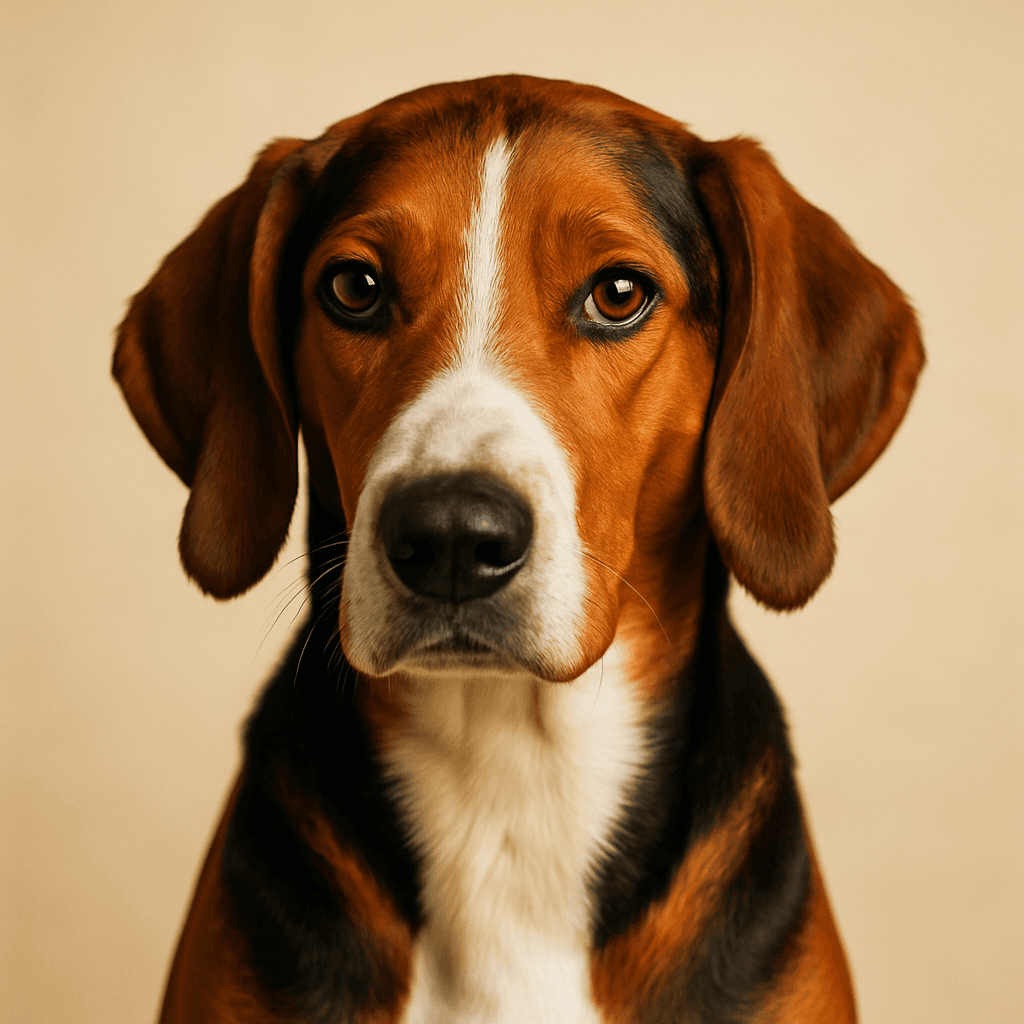
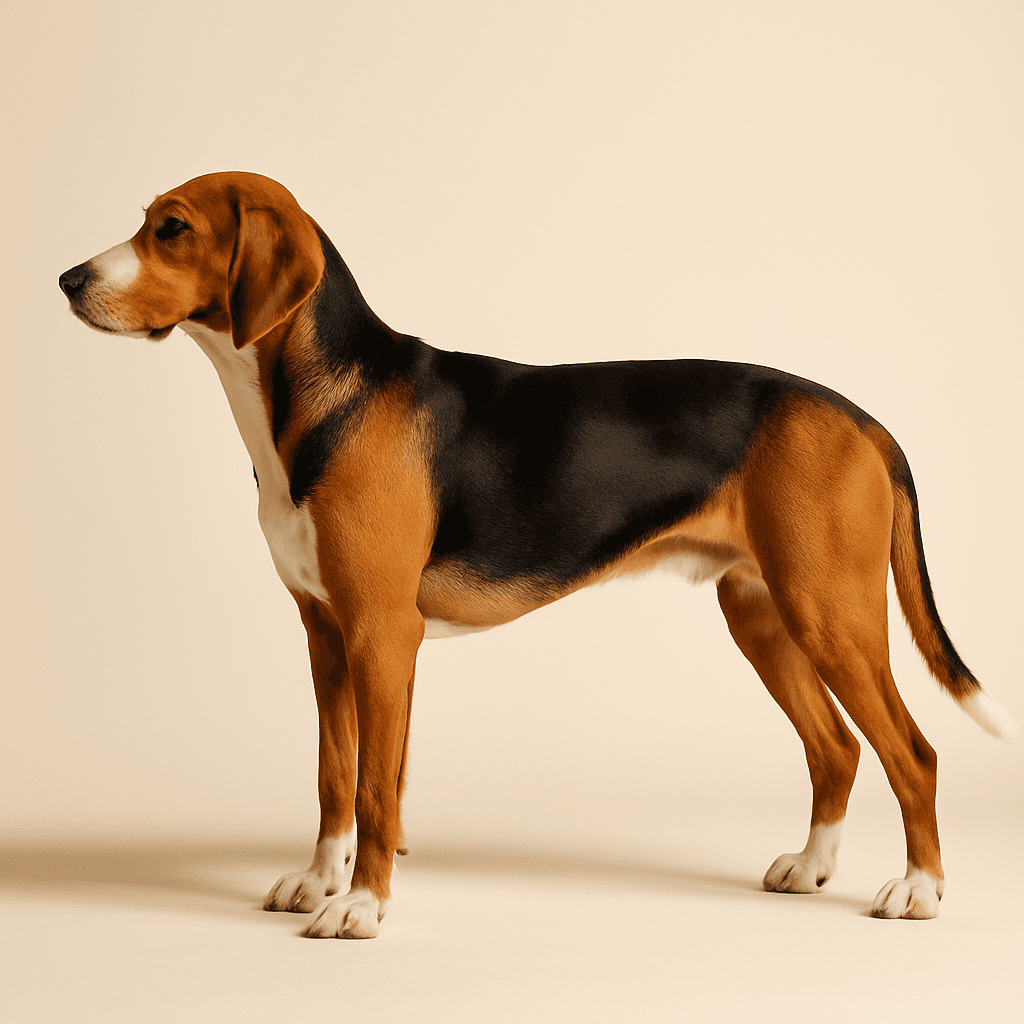
The Hamiltonstovare is a well-proportioned, athletic medium to large scenthound with a distinctive tricolour coat - black on the back and upper sides, tan on the head, neck, legs and sides of the body, and white markings on the muzzle, chest and paws. The overall impression is of a handsome, capable and well-balanced hound. Adults typically stand 53 to 61 centimetres at the shoulder and weigh 23 to 27 kilograms. The head is long and rectangular with pendant ears and a calm, intelligent expression.
The character is that of a typical working scenthound: independent, focused, friendly and driven by scent above all other considerations. The Hamiltonstovare is good-natured and sociable with people and generally excellent with other dogs - it was bred to work in proximity to other hounds and people without conflict. With its own family it is affectionate and devoted. It is not aggressive or difficult, but it is fundamentally a working hound that needs to understand its place and purpose.
The most important practical consideration is the breed's relationship with scent. Once the Hamiltonstovare has identified an interesting trail, its attention is extremely difficult to redirect. Recall training is challenging and cannot be relied upon in open environments. Exercise must be conducted either in securely fenced areas or on a long line. This is not a breed that can be trusted off-lead in unfenced countryside.
Exercise needs are substantial - 1.5 to 2 hours of vigorous activity is appropriate for an adult Hamiltonstovare, and it thrives best with access to open countryside where its scenting abilities can be engaged.
Purchase prices where available in the UK range from £800 to £1,800. Monthly running costs average £120 to £170. The Swedish Kennel Club and Scandinavian hound communities are the primary resources for breed information, health testing and responsible breeders.
Temperament & Personality
Athletic, independent, friendly and scent-driven - the Hamiltonstovare is a typical scenthound in character. Good-natured and sociable with people and other dogs. Not aggressive. Driven by nose and will follow a scent with single-minded focus. Vocal when working. A working hound first and a companion dog second.
Training
Hamiltonstovare are independent, scent-driven hounds that do not naturally prioritise owner responsiveness over a good scent trail. Positive training with high-value rewards works best. Basic obedience is achievable. Recall is the most challenging aspect and should not be trusted around open ground. Hound management skills are more important than traditional obedience for this breed.
Exercise Needs
Hamiltonstovare need 1.5-2 hours of vigorous daily exercise. They need sustained running and open countryside. Secure exercise areas essential - recall is unreliable on scent. They have considerable stamina and endurance. Mental stimulation through scent work or tracking is important.
Health & Vet Costs
The Hamiltonstovare is generally a robust working breed. Hip dysplasia can occur and testing of parents is advisable. Epilepsy has been reported in the breed. Ear infections are common in pendulous-eared breeds - regular ear checks are important. As a rare breed in the UK, health data is limited. Lifespan 10-13 years.
Protect your Hamiltonstovare with the right insurance
Vet costs are rising. Lifetime cover means long-term conditions stay covered for life -- not just 12 months.
Feeding & Nutrition
High-quality medium to large breed complete food. Adults typically need 350-500g dry food daily across two meals. Working dogs need more. Monitor body condition - maintain lean athletic build. Fresh water always available.
Feeding your Hamiltonstovare
How much to feed, which food types suit this breed, and what to avoid.
Grooming & Care
The short, dense, tricolour coat is very low-maintenance. Weekly brushing removes loose hair. Occasional bathing as needed. Ears need regular checking - pendulous ears trap moisture and debris. Nail trimming required. Dental care important.
Costs of Ownership
Hamiltonstovare puppies are rare in the UK. Prices are not standardised - expect £800-£1,800 where available, with potentially long waiting times or need to source from Scandinavian breeders. Annual ongoing costs average £1,400-£2,000.
Is a Hamiltonstovare Right for You?
Experienced hound owners with access to open countryside. Not suitable for urban living or first-time owners. Needs 1.5-2 hours vigorous daily exercise. Recall unreliable once on scent - secure fencing and long line essential. Good with other dogs. Active rural lifestyle suits the breed best.
Related Guides
Free newsletter
Get the weekly guide for UK dog owners
Breed spotlights, training tips and health advice delivered every week.