Icelandic Sheepdog
Complete UK breed guide
Quick answer
The Icelandic Sheepdog is Iceland's only native dog breed - a cheerful, medium-sized spitz herder brought to Iceland by the Vikings. Vocal, energetic and people-oriented. Hip and eye testing of parents advisable. Rare but growing in the UK. KC Pastoral Group. Lifespan 12-14 years.
Quick Facts
- Size
- Medium
- Weight
- 9–14 kg
- Lifespan
- 12–14 years
- Breed Group
- Pastoral
- Exercise
- 60–75 mins/day
- Activity Level
- Moderate
- Grooming
- Moderate
- Monthly Cost
- £90–£150/month
- Temperament
- —
- Good with Children
- Yes
- Good with Dogs
- Yes
- Good for First Timers
- Yes
- Suits Flats
- No
Breed Overview
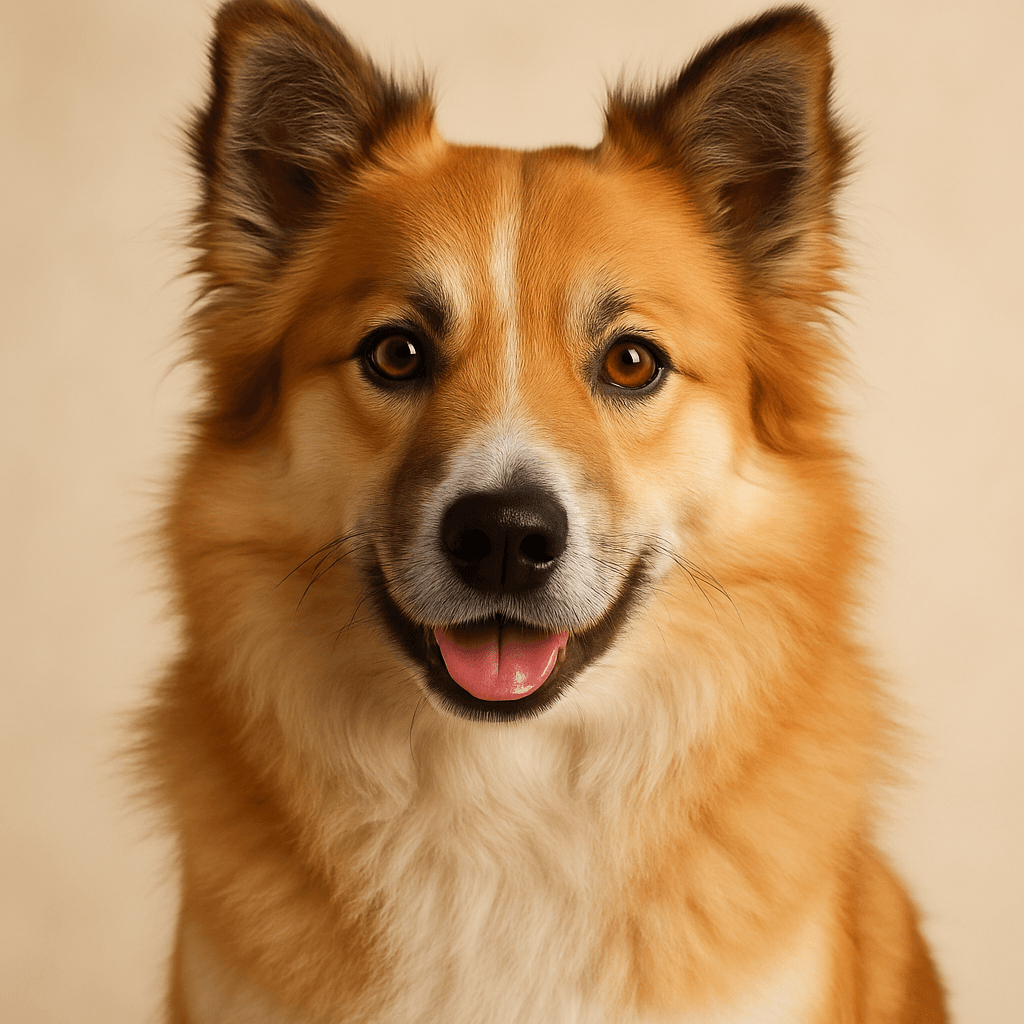
The Icelandic Sheepdog is Iceland's only native dog breed and a national symbol of the country, a medium-sized spitz-type herder descended from the dogs brought to Iceland by Norse settlers in the ninth and tenth centuries. Isolated on the island for over a millennium and shaped entirely by the demands of Icelandic farming, the breed developed distinctively from its Scandinavian spitz ancestors, adapted to the challenging conditions of sheep and cattle management across lava fields, mountains and volcanic terrain. The breed nearly became extinct following a canine distemper epidemic in the late nineteenth century and a subsequent import restriction on dogs into Iceland, but survived through the determined efforts of conservationists and breeders who re-established it during the twentieth century. Registered by the Kennel Club in the Pastoral Group, the Icelandic Sheepdog has grown in popularity in the United Kingdom over recent years as a cheerful and active family companion.
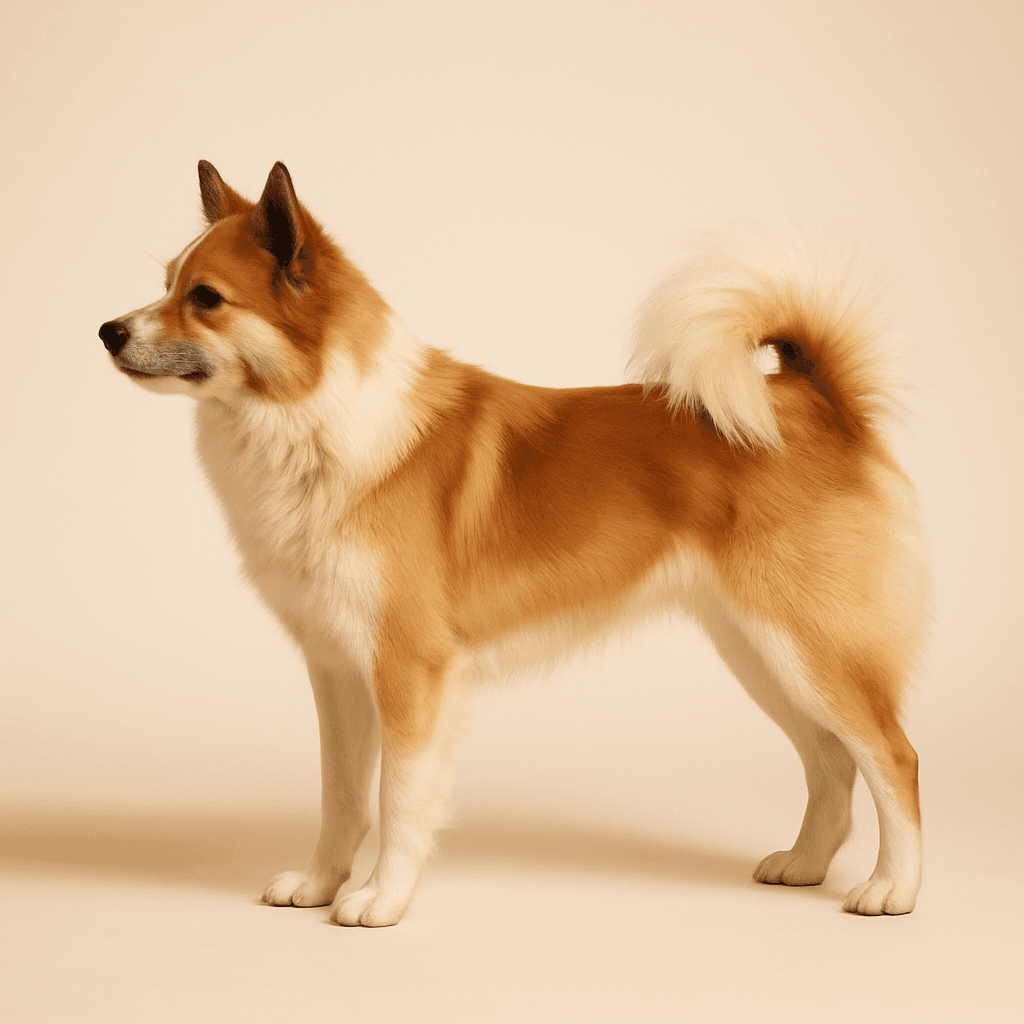
The Icelandic Sheepdog is a well-proportioned, sturdy medium-sized spitz with two coat varieties - long-coated and short-coated - both with a thick, weatherproof double coat suited to northern conditions. The tail curls over the back in typical spitz fashion. Colours include various combinations of tan, chocolate, grey, black and white, with white markings on the face, chest and legs. A distinctive structural feature is the double dewclaws on the hind legs, considered a breed characteristic. Adults typically stand 42 to 46 centimetres at the shoulder and weigh 9 to 14 kilograms.
The character is genuinely among the most consistently cheerful and good-natured in the dog world. The Icelandic Sheepdog is strongly people-oriented, enthusiastic and devoted - an affectionate companion that thrives on human company and family activity. It is excellent with children and generally good with other dogs from an early age. It is not aggressive or difficult, adapts well to domestic life and maintains a bright, curious energy throughout its life.
The breed is alert and vocal. The Icelandic Sheepdog barks readily, as it was developed to alert farmers to approaching livestock and predators, and this characteristic needs active management in domestic settings where neighbours may be close.
The breed is intelligent and biddable - considerably more willing to please than many spitz-type breeds - and takes well to positive, reward-based training methods. It excels in agility, obedience and herding activities.
Hip dysplasia and eye conditions including hereditary cataract have been documented and testing of both parents is advisable when selecting a puppy.
Purchase prices from KC-registered breeders range from £1,000 to £2,000. Monthly running costs average £90 to £150. The Icelandic Sheepdog Association of Great Britain is the primary resource for breed information, health testing, responsible breeders and rescue contact.
Temperament & Personality
Cheerful, energetic, friendly and devoted - the Icelandic Sheepdog is one of the most consistently good-natured of all breeds. Excellent with children and other dogs. Alert and vocal - it barks readily. Not aggressive. Curious and playful. Strongly people-oriented.
Training
Icelandic Sheepdogs are intelligent, willing and trainable - among the more biddable of the spitz breeds. They respond well to positive reinforcement. They excel in agility, obedience and herding. Early socialisation is important. Vocal management from an early age is advisable.
Exercise Needs
Icelandic Sheepdogs need 1-1.5 hours of daily exercise. They enjoy varied outdoor activity, hiking and herding-type games. Energetic and enthusiastic. Mental stimulation through training is important. They adapt well to active family life.
Health & Vet Costs
Hip dysplasia can occur and hip testing of parents is advisable. Eye conditions including hereditary cataract and distichiasis have been documented. The Icelandic Sheepdog Association monitors breed health. Lifespan 12-14 years.
Protect your Icelandic Sheepdog with the right insurance
Vet costs are rising. Lifetime cover means long-term conditions stay covered for life -- not just 12 months.
Feeding & Nutrition
High-quality medium breed complete food. Adults typically need 220-320g dry food daily across two meals. Monitor body condition. Fresh water always available.
Feeding your Icelandic Sheepdog
How much to feed, which food types suit this breed, and what to avoid.
Grooming & Care
The thick double coat needs brushing two to three times weekly and daily during twice-yearly heavy shedding. Both long-coated and short-coated varieties exist. Occasional bathing. Ears need checking. Dental care important.
Costs of Ownership
Icelandic Sheepdog puppies from KC-registered breeders typically cost £1,000-£2,000. The breed is uncommon in the UK. Annual ongoing costs average £1,200-£1,800.
Is a Icelandic Sheepdog Right for You?
Active families and individuals who enjoy outdoor life. Good with children and other dogs. Can be vocal - not ideal for noise-sensitive settings without training. Needs 1-1.5 hours exercise. Suitable for motivated first-time dog owners who can manage the vocal tendencies. Rare but increasingly available in UK.
Related Guides
Free newsletter
Get the weekly guide for UK dog owners
Breed spotlights, training tips and health advice delivered every week.