Irish Wolfhound
Complete UK breed guide
Quick answer
The Irish Wolfhound is the tallest dog breed in the world - a gentle giant of Irish heritage with a noble, calm character. Lifespan is short at 6-8 years. Heart disease (DCM) and osteosarcoma are serious health concerns. Not suitable for first-time owners. KC Hound Group.
Quick Facts
- Size
- Giant
- Weight
- 48–69 kg
- Lifespan
- 6–10 years
- Breed Group
- Hound
- Exercise
- 90–120 mins/day
- Activity Level
- Moderate
- Grooming
- Moderate
- Monthly Cost
- £180–£280/month
- Temperament
- —
- Good with Children
- Yes
- Good with Dogs
- Yes
- Good for First Timers
- No
- Suits Flats
- No
Breed Overview
The Irish Wolfhound is the tallest dog breed in the world, a magnificent giant of Irish heritage with a history extending back over two thousand years, when it was prized as a war dog and wolf hunter of such prestige that only kings, nobility and high-ranking chieftains were permitted to own them. Ancient Irish texts describe the breed in terms of reverence, and Irish Wolfhounds were given as gifts between royal courts across Europe throughout the medieval period. The breed came close to extinction in the nineteenth century following the elimination of wolves and elk in Ireland, which removed its primary working purpose, but was revived through the determined work of Captain George Augustus Graham in the 1860s and 1870s, who crossed surviving specimens with Scottish Deerhounds, Great Danes and other large breeds to re-establish the type. Registered by the Kennel Club in the Hound Group, the Irish Wolfhound is a well-established breed in the United Kingdom today.
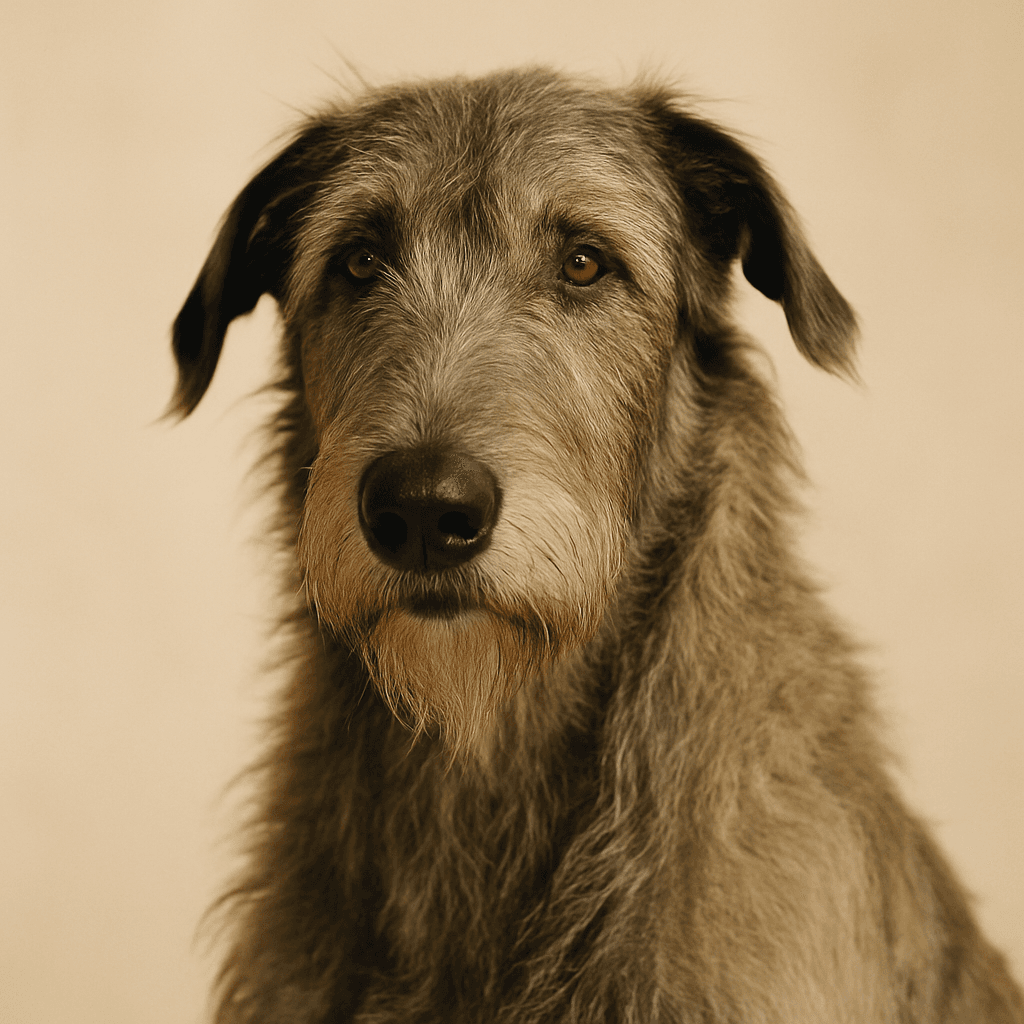
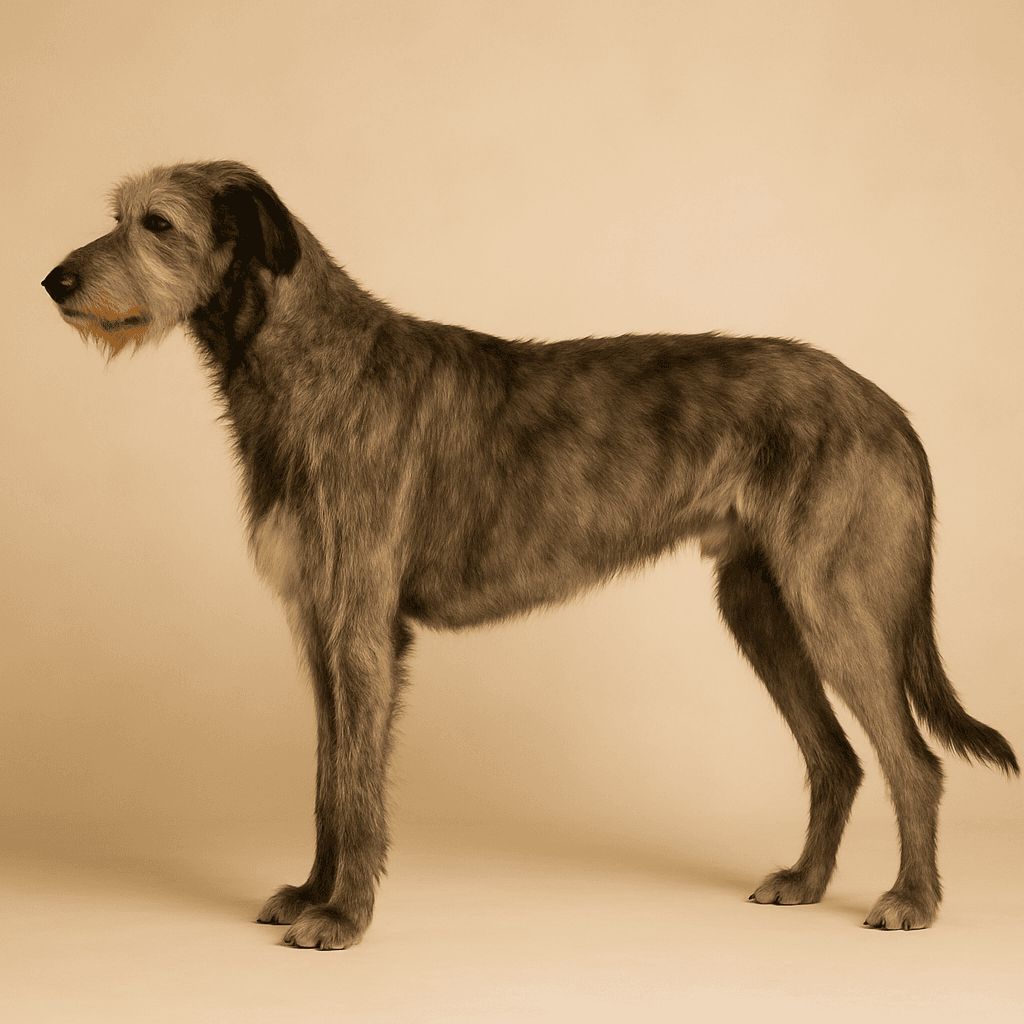
The Irish Wolfhound is an imposing and noble dog. Adults typically stand a minimum of 79 centimetres at the shoulder for males - many individuals exceed 86 centimetres - and weigh 54 to 69 kilograms or more, making it the tallest if not the heaviest of all breeds. The coat is rough, hard and wiry in various colours including grey, brindle, red, black, white and fawn.
The character is genuinely that of a gentle giant: calm, dignified, loyal and affectionate with those it loves. The Irish Wolfhound is devoted to its family and gentle with children. It is not aggressive or territorial and is a poor guard dog, typically greeting strangers with equanimity. Indoors as adults the breed is surprisingly settled and quiet, despite its considerable size.
The most important consideration for any prospective owner is the lifespan. The Irish Wolfhound lives on average only 6 to 8 years - shorter than almost any other breed - and health problems including Dilated Cardiomyopathy and osteosarcoma are common causes of loss at a relatively young age. Annual cardiac screening using echocardiography is strongly recommended. This short lifespan and heavy health burden requires genuine emotional and financial preparedness that goes beyond what most large breed owners anticipate.
Growth management in puppyhood is also critical - the enormous final size means puppy exercise must be strictly restricted to protect developing joints.
Purchase prices from KC-registered, health-tested breeders range from £1,500 to £3,000. Monthly running costs are substantial at £250 to £420. The Irish Wolfhound Club and Irish Wolfhound Health Group are the primary resources for breed information, health testing, responsible breeders and rescue contact.
Temperament & Personality
Gentle, dignified, loyal and calm - the Irish Wolfhound is everything the phrase gentle giant implies. Devoted to its family. Good with children. Generally good with other dogs. Not aggressive or territorial. Quiet indoors as adults. Majestic and noble character.
Training
Irish Wolfhounds are intelligent, gentle and trainable but sensitive - harsh methods are completely counterproductive. Positive reinforcement works well. Basic obedience and lead manners are essential given the size. Early socialisation is important. Generally willing and not challenging to train.
Exercise Needs
Irish Wolfhounds need 1-1.5 hours of daily exercise. Despite their size they are moderate in energy as adults. Puppies need strictly restricted exercise during the long growth phase to protect developing joints. Adults enjoy walking and gentle running. Avoid high-impact activity.
Health & Vet Costs
Dilated Cardiomyopathy (DCM) is the leading cause of death - annual cardiac screening is essential. Osteosarcoma (bone cancer) is the second leading cause. Bloat (GDV) is a serious risk. Hip and elbow dysplasia occur. The very short lifespan of 6-8 years is a fundamental consideration. The Irish Wolfhound Health Group is active in monitoring breed health.
Protect your Irish Wolfhound with the right insurance
Vet costs are rising. Lifetime cover means long-term conditions stay covered for life -- not just 12 months.
Feeding & Nutrition
Large breed puppy food crucial for controlled growth - do not overfeed. Adults need 500-800g high-quality large breed food daily across two meals. Bloat risk - avoid exercise immediately after feeding. Maintain lean build. Fresh water always available.
Feeding your Irish Wolfhound
How much to feed, which food types suit this breed, and what to avoid.
Grooming & Care
The rough, hard double coat needs brushing weekly and hand-stripping or tidying a few times yearly. The beard needs regular cleaning. The breed sheds moderately. Ears need checking. Dental care important. Nail trimming essential given the size.
Costs of Ownership
Irish Wolfhound puppies from health-tested KC-registered breeders typically cost £1,500-£3,000. Monthly food alone runs £150-£250. Annual total costs average £3,000-£5,000+. Veterinary costs can be very substantial. The short lifespan means repeated emotional and financial cycles.
Is a Irish Wolfhound Right for You?
Experienced large breed owners with space and financial means. Short lifespan and significant health risks require emotional and financial preparedness. Gentle and good with children. Needs 1-1.5 hours exercise. Despite size, relatively calm indoors as adults. Food costs are substantial. Not suitable for small homes.
Related Guides
Free newsletter
Get the weekly guide for UK dog owners
Breed spotlights, training tips and health advice delivered every week.