Italian Spinone
Complete UK breed guide
Quick answer
The Italian Spinone is an ancient Italian hunt, point and retrieve gundog - one of the oldest pointer breeds. Gentle, patient and devoted. Hip scoring, elbow scoring and Cerebellar Ataxia DNA testing of parents essential. Needs 1.5 hours daily exercise. KC Gundog Group. Lifespan 10-12 years.
Quick Facts
- Size
- Large
- Weight
- 29–39 kg
- Lifespan
- 10–12 years
- Breed Group
- Gundog
- Exercise
- 60–90 mins/day
- Activity Level
- Moderate
- Grooming
- Moderate
- Monthly Cost
- £130–£200/month
- Temperament
- —
- Good with Children
- Yes
- Good with Dogs
- Yes
- Good for First Timers
- Yes
- Suits Flats
- No
Breed Overview
The Italian Spinone is one of the oldest hunting dog breeds in existence, an ancient Italian hunt, point and retrieve gundog whose characteristic wiry-coated pointer type appears in Italian paintings and frescoes from at least the fifteenth century. Developed across the varied terrain of northern and central Italy - from the marshes of the Po Valley to the mountains of Piedmont and the dense cover of the Apennines - to work as a versatile all-terrain hunting dog capable of working in thick vegetation and cold water alike, the Spinone combines a powerful scenting nose with a gentle, soft mouth for retrieving and the steady, methodical working style of a breed built for endurance and reliability rather than speed. Registered by the Kennel Club in the Gundog Group, it has developed a loyal following in the United Kingdom.
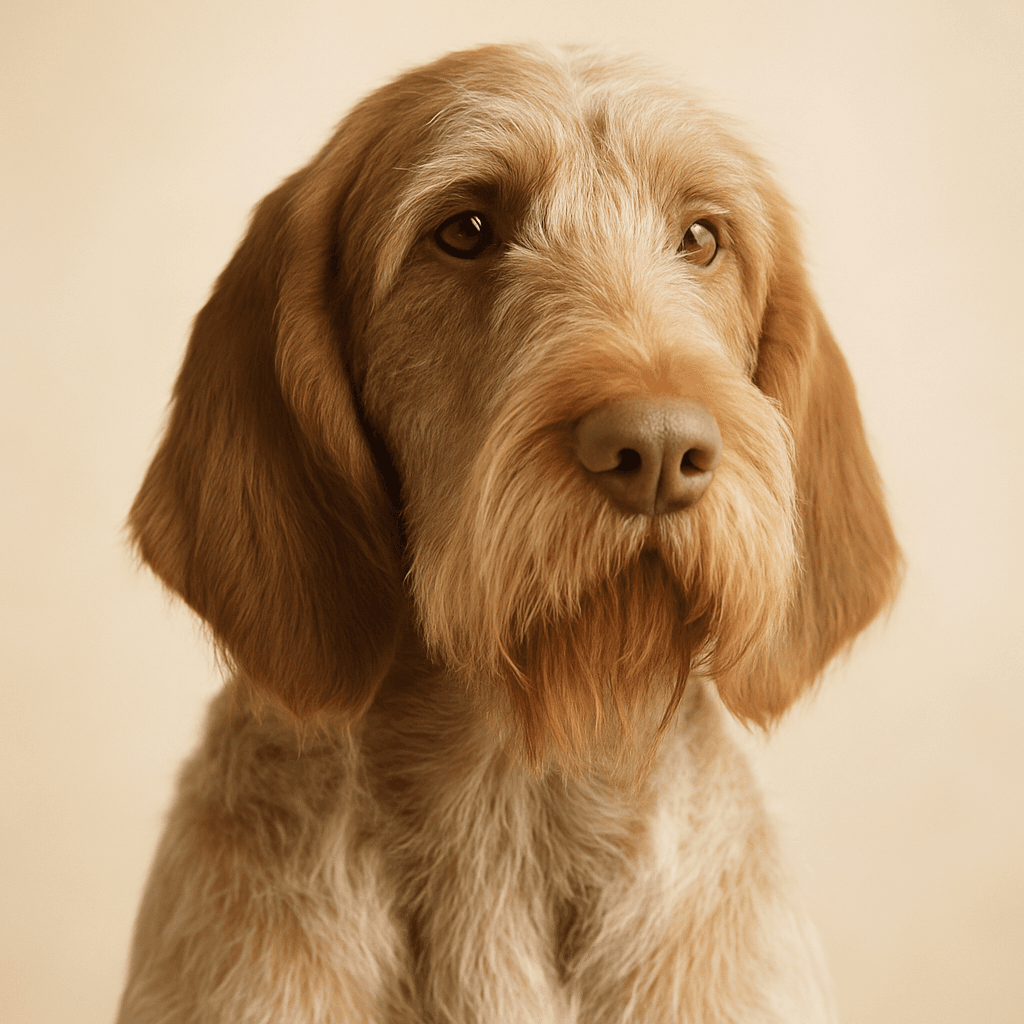
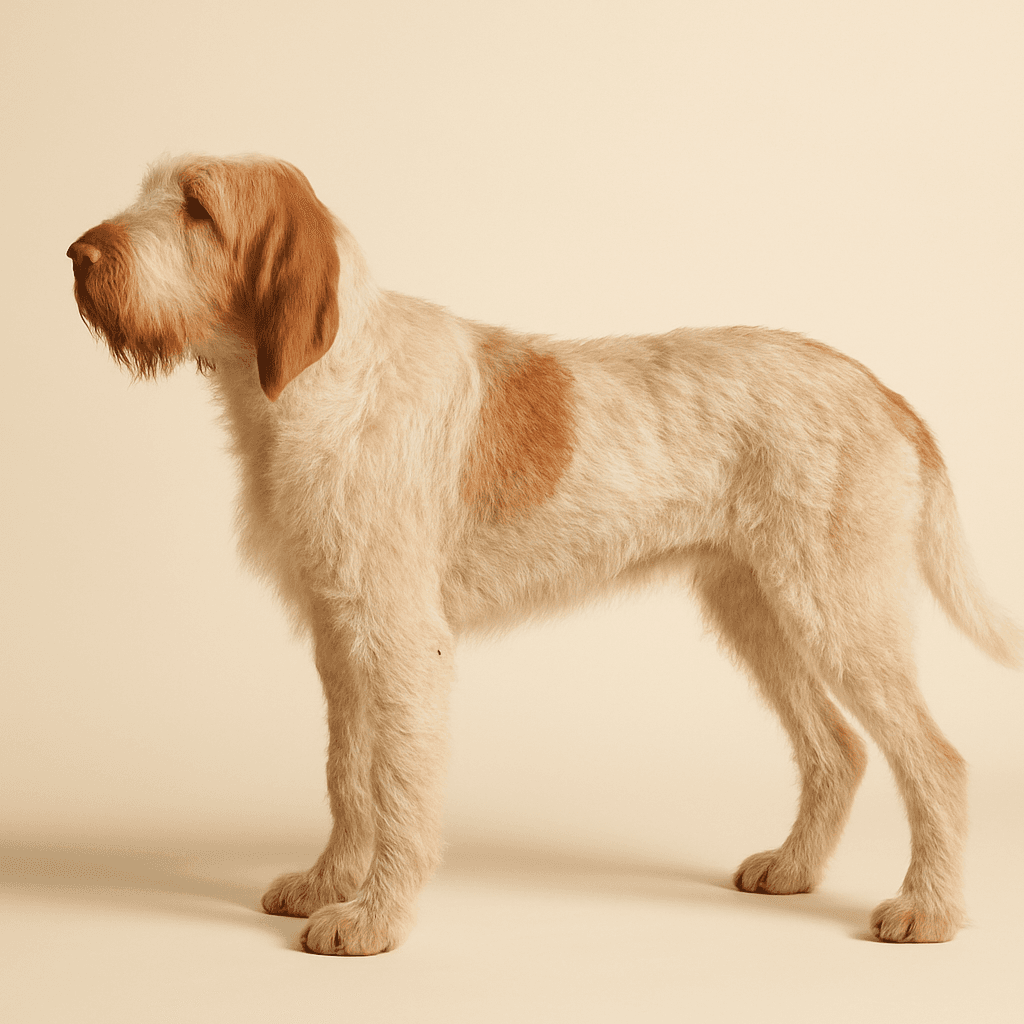
The Italian Spinone is a large, robust and powerfully built HPR gundog with a distinctive dense, wiry or hard coat. The permissible colours include white, white and orange, orange roan, white and brown, and brown roan. The large, drooping ears, expressive amber or ochre eyes and prominent beard give the breed a gentle and somewhat melancholic expression that is immediately endearing to those who encounter it. Adults typically stand 58 to 70 centimetres at the shoulder and weigh 29 to 39 kilograms.
The character is genuinely exceptional in its gentleness and patience. The Spinone is among the most even-tempered and calm of all gundog breeds - devoted to its family, reliable with children, generally good with other dogs and welcoming rather than suspicious with strangers. It is not boisterous or excitable by gundog standards and has a steady, quiet dignity that is a distinctive characteristic. Owners consistently describe the breed as having a particularly deep and loyal bond with its immediate family.
The droopy jowls and long beard are breed characteristics but practical owners need to understand the associated realities. The Spinone drools readily, particularly in anticipation of food, and the beard requires thorough cleaning after every meal and drink to remain sanitary.
Hip and elbow dysplasia are the primary musculoskeletal health concerns and both parents must be scored through the BVA/KC scheme. Cerebellar Ataxia, a progressive neurological condition that is specific to the Italian Spinone breed, requires DNA testing of both parents - affected dogs should never be bred from and no responsible breeder will produce puppies without providing clear certificates.
Purchase prices from KC-registered, health-tested breeders range from £1,000 to £1,800. Monthly running costs average £120 to £190. The Italian Spinone Club of Great Britain is the primary resource for breed information, health testing, responsible breeders and rescue contact.
Temperament & Personality
Gentle, patient, devoted and calm - the Italian Spinone is one of the most even-tempered of all gundog breeds. Excellent with children. Good with other dogs. Affectionate and loyal. Not excitable or boisterous by gundog standards. Drools readily. A dog of great dignity and charm.
Training
Italian Spinoni are gentle, intelligent and trainable with positive methods. They respond well to patient, reward-based training. They are less driven and more biddable than many HPR breeds. Early socialisation is important. They excel in gundog work, nose work and obedience.
Exercise Needs
Italian Spinoni need 1.5 hours of daily exercise. They enjoy working in the field, swimming and long walks. A breed with steady endurance rather than speed. Mental stimulation through gundog training or nose work is important. Generally easy-going about exercise type.
Health & Vet Costs
Hip and elbow dysplasia are primary concerns - both parents must be scored. Cerebellar Ataxia (a neurological condition specific to Italian Spinoni) requires DNA testing of both parents. Bloat is a risk. The Italian Spinone Club of Great Britain maintains health testing requirements. Lifespan 10-12 years.
Protect your Italian Spinone with the right insurance
Vet costs are rising. Lifetime cover means long-term conditions stay covered for life -- not just 12 months.
Feeding & Nutrition
High-quality large breed complete food. Adults typically need 400-550g dry food daily across two meals. Monitor body condition. Bloat risk in deep-chested breeds - avoid vigorous exercise immediately after feeding. Fresh water always available.
Feeding your Italian Spinone
How much to feed, which food types suit this breed, and what to avoid.
Grooming & Care
The dense, wiry coat needs brushing weekly and hand-stripping or professional grooming periodically. The beard and jowls trap food and water and need daily cleaning. The breed drools - particularly when anticipating food. Ears need regular checking as pendulous ears trap moisture.
Costs of Ownership
Italian Spinone puppies from health-tested KC-registered breeders typically cost £1,000-£1,800. Annual ongoing costs including food and routine care average £1,400-£2,000.
Is a Italian Spinone Right for You?
Active families and individuals seeking a gentle, versatile gundog companion. Good with children. Not suitable for those who need a tidy dog - droopy jowls mean drool and mess. Needs 1.5 hours exercise. Hip, elbow and Cerebellar Ataxia testing of parents essential. Reliable recall when properly trained.
Related Guides
Free newsletter
Get the weekly guide for UK dog owners
Breed spotlights, training tips and health advice delivered every week.