Japanese Shiba Inu
Complete UK breed guide
Quick answer
The Shiba Inu is Japan's most popular native dog breed - a bold, spirited and independent spitz with a fox-like appearance. Strong prey drive. Escape artist. Not suitable for first-time owners. Hip scoring and eye testing of parents essential. KC Utility Group. Lifespan 12-15 years.
Quick Facts
- Size
- Medium
- Weight
- 8–11 kg
- Lifespan
- 12–15 years
- Breed Group
- Utility
- Exercise
- 60–75 mins/day
- Activity Level
- Moderate
- Grooming
- Moderate
- Monthly Cost
- £100–£160/month
- Temperament
- —
- Good with Children
- No
- Good with Dogs
- No
- Good for First Timers
- No
- Suits Flats
- No
Breed Overview
The Shiba Inu is Japan's most popular and most ancient native dog breed, a compact, bold and fox-like spitz that has been bred in Japan for thousands of years and was originally used for hunting small game and birds in the dense mountain terrain of central and southern Japan. The breed nearly became extinct during the Second World War and the canine distemper epidemic that followed, but was revived through a dedicated breeding programme using three surviving regional strains. Registered by the Kennel Club in the Utility Group, the Shiba Inu has grown significantly in popularity in the United Kingdom over recent years, partly driven by its striking appearance and considerable online cultural presence.
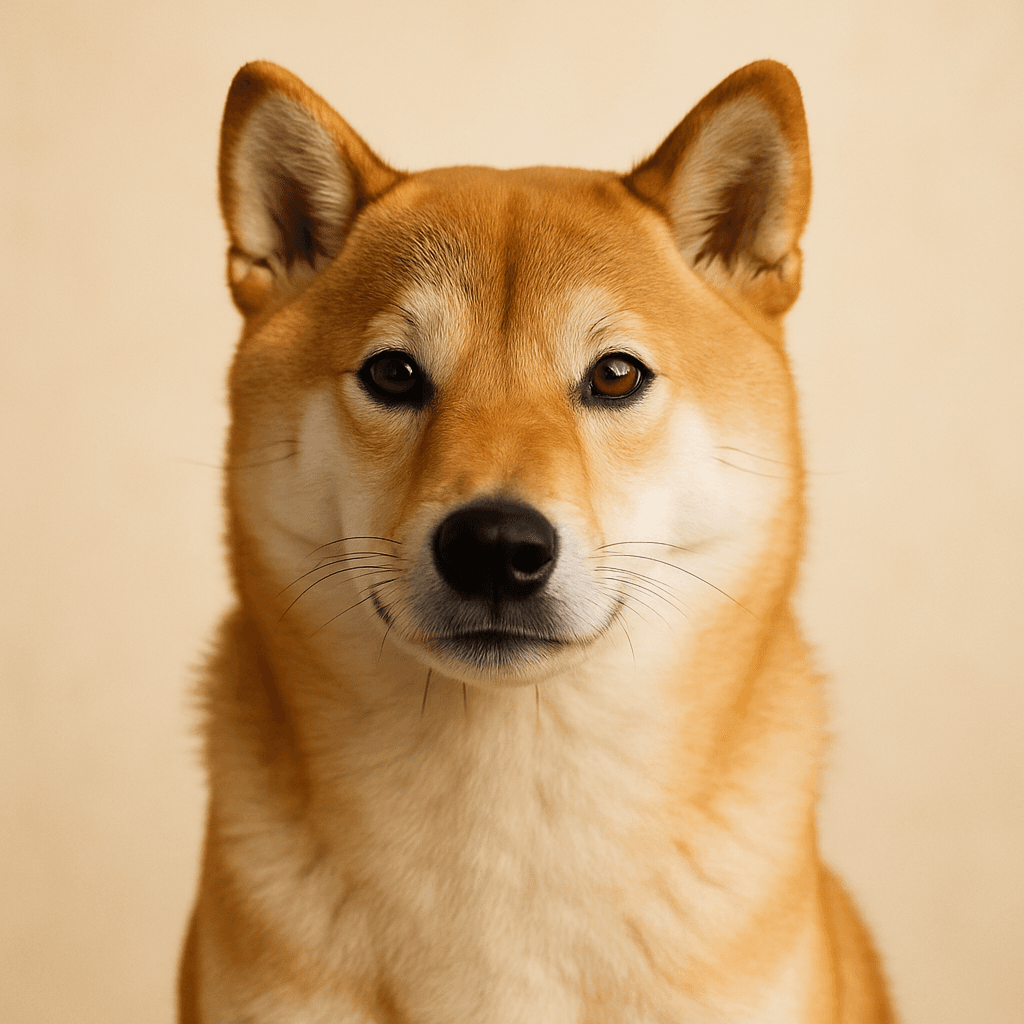
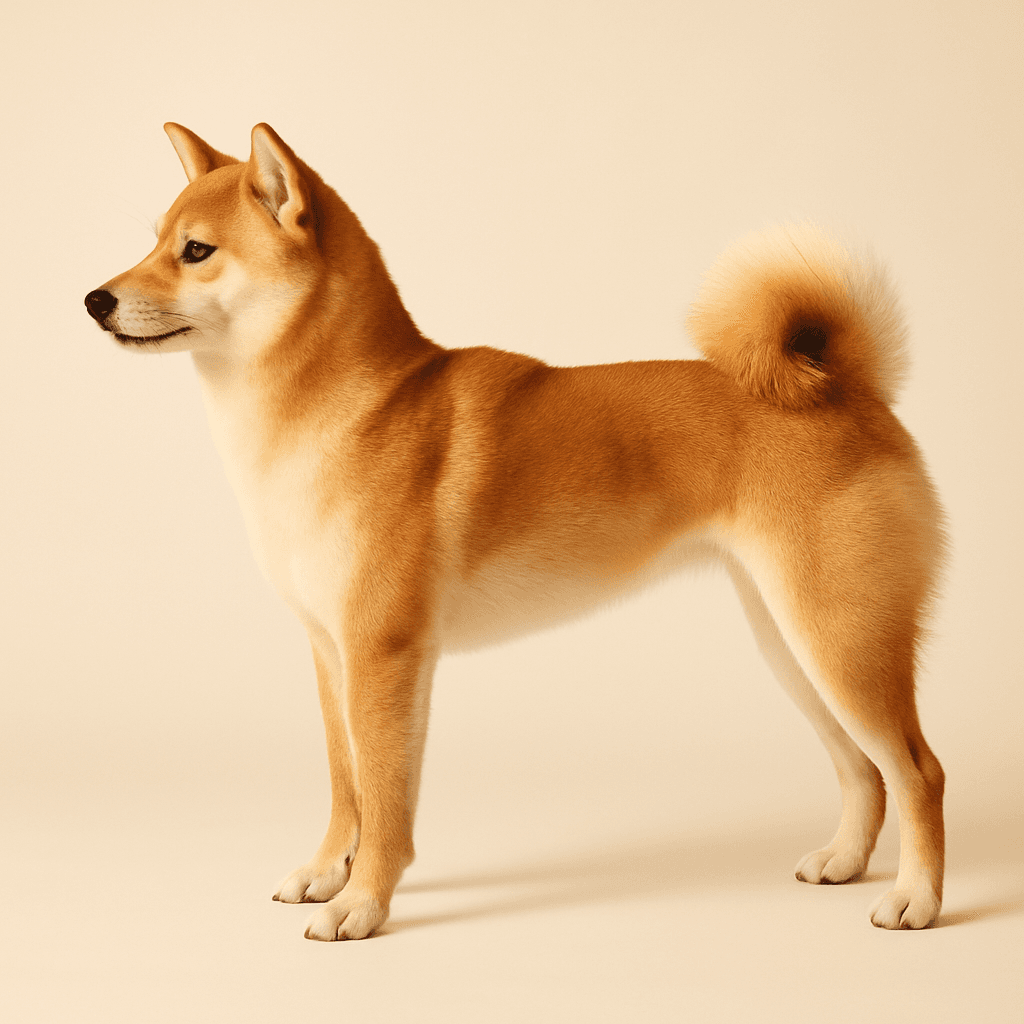
The Shiba Inu is a well-proportioned, compact spitz with a distinctive thick double coat in red, black and tan, sesame, or cream, with characteristic urajiro pale markings on the cheeks, chest and legs. The face is fox-like with dark, triangular and confident eyes. The tail curls tightly over the back. Adults typically stand 33 to 41 centimetres at the shoulder and weigh 8 to 11 kilograms.
The character is bold, independent and spirited - a genuinely primitive breed that retains strong instincts and makes its own decisions. The Shiba Inu is devoted to its own family but on its own terms: it is not a slavishly obedient or biddable dog, and those expecting the warmth and compliance of a gundog or herding breed will be surprised. It can be aloof or cautious with strangers and in unfamiliar situations.
The prey drive is strong and the breed's agility and determination make escape-proofing essential. Shiba Inus are capable of scaling or undermining inadequate fencing and exercise must be on-lead in unsecured areas.
The breed is known for a distinctive high-pitched vocalisation under stress or restraint, commonly known online as the Shiba scream - prospective owners should be aware that this is a real behavioural characteristic of a displeased or frightened individual and not merely an internet meme.
Training requires patience, consistency and confidence. The breed responds to positive reinforcement with high-value rewards but has no natural inclination toward obedience for its own sake. Early socialisation is critical given the tendency toward aloofness with strangers.
Purchase prices from KC-registered, health-tested breeders range from £1,000 to £2,500. Monthly running costs average £90 to £150. The Shiba Inu Club of Great Britain is the primary resource for breed information, health testing, responsible breeders and rescue contact.
Temperament & Personality
Bold, independent, spirited and alert - the Shiba Inu is a primitive breed with strong instincts and a mind of its own. Devoted to its own family but on its own terms. Can be aloof or wary with strangers. Vocal when displeased - the Shiba scream is well known. High prey drive. Not a biddable lapdog.
Training
Shiba Inus are intelligent but highly independent - training is a negotiation rather than a command exercise. Positive reinforcement with high-value rewards works best. Consistent, patient and confident handling is essential. Early socialisation is critical. Not naturally inclined to obedience.
Exercise Needs
Shiba Inus need 1-1.5 hours of daily exercise. They are athletic and agile with genuine stamina. Exercise must be on-lead or in secured areas given the prey drive and escape tendency. Mental stimulation through training is important.
Health & Vet Costs
Hip dysplasia requires scoring of both parents. Eye conditions including glaucoma and PRA have been documented. Patellar luxation occurs in the breed. Allergies and skin conditions are reported. The Shiba Inu Club maintains health testing guidance. Lifespan 12-15 years.
Protect your Japanese Shiba Inu with the right insurance
Vet costs are rising. Lifetime cover means long-term conditions stay covered for life -- not just 12 months.
Feeding & Nutrition
High-quality medium breed complete food. Adults typically need 200-280g dry food daily across two meals. Monitor body condition. The breed can be a picky eater. Fresh water always available.
Feeding your Japanese Shiba Inu
How much to feed, which food types suit this breed, and what to avoid.
Grooming & Care
The thick double coat sheds moderately year-round with two heavy seasonal moults. Brush weekly and daily during shedding periods. The breed is clean and odour-free by nature. Ears need checking. Dental care important. No professional grooming needed.
Costs of Ownership
Shiba Inu puppies from KC-registered, health-tested breeders typically cost £1,000-£2,500. Annual ongoing costs average £1,100-£1,700.
Is a Japanese Shiba Inu Right for You?
Experienced, firm owners who understand independent, primitive spitz breeds. Not suitable for first-time owners. Strong prey drive - secure fencing and lead exercise essential. Can be aloof with strangers. Escape-prone. Good with children if raised with them. Single-dog household often preferable.
Related Guides
Free newsletter
Get the weekly guide for UK dog owners
Breed spotlights, training tips and health advice delivered every week.