Keeshond
Complete UK breed guide
Quick answer
The Keeshond is the national dog of the Netherlands - a handsome, sociable spitz originally bred on Dutch barges. Vocal and alert. Hip scoring and eye testing of parents essential. Epilepsy is a known breed concern. Suitable for active families. KC Utility Group. Lifespan 12-15 years.
Quick Facts
- Size
- Medium
- Weight
- 16–20 kg
- Lifespan
- 13–15 years
- Breed Group
- Utility
- Exercise
- 30–45 mins/day
- Activity Level
- Moderate
- Grooming
- High
- Monthly Cost
- £100–£160/month
- Temperament
- —
- Good with Children
- Yes
- Good with Dogs
- Yes
- Good for First Timers
- Yes
- Suits Flats
- No
Breed Overview
The Keeshond is a handsome and characterful Dutch spitz breed with a long history as a barge dog and companion on the canals and waterways of the Netherlands. The breed takes its name from the eighteenth-century Dutch patriot Cornelis de Gyselaer, whose nickname was Kees and whose dog, also named Kees, became a symbol of the Dutch Patriot political movement in the 1780s. After a period of decline in the Netherlands, the breed was revived in the early twentieth century and was recognised by the Kennel Club of Great Britain in the Utility Group, where it remains a well-regarded if moderately uncommon presence.
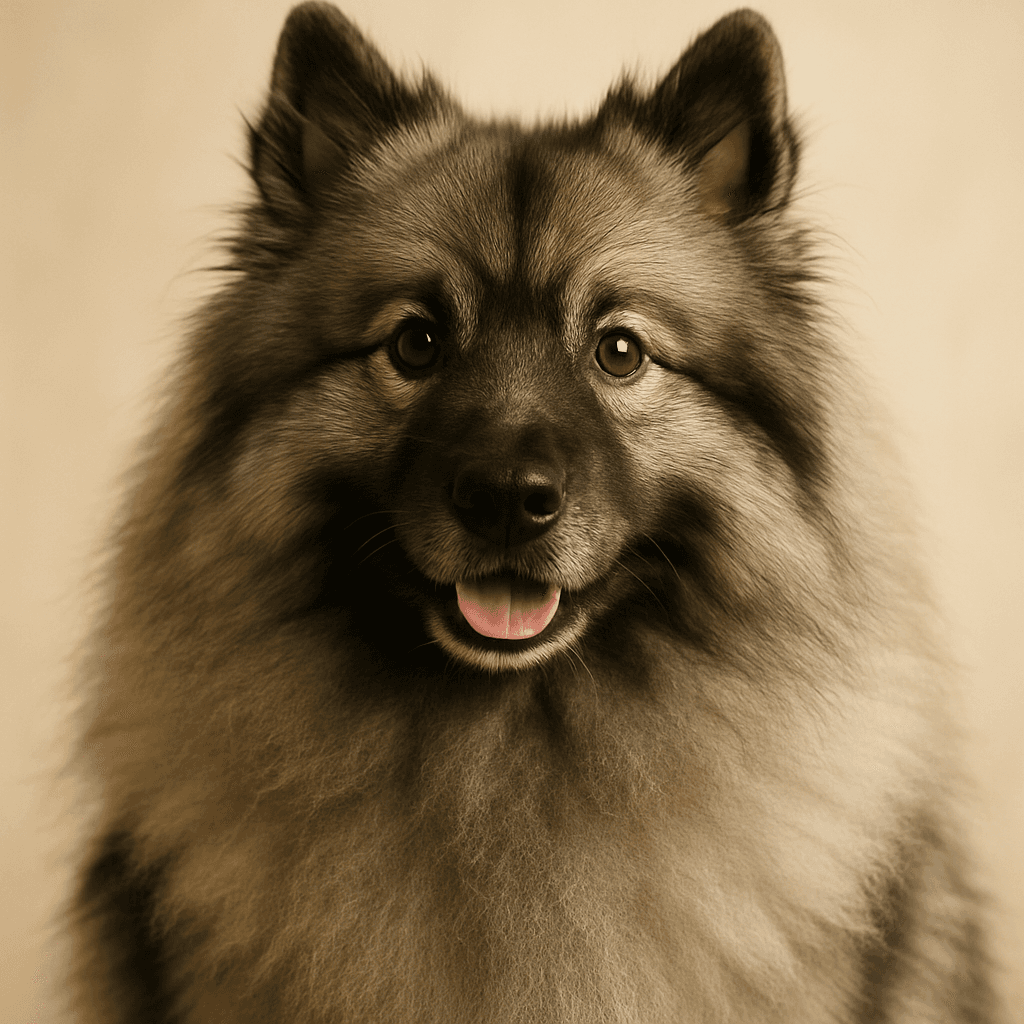
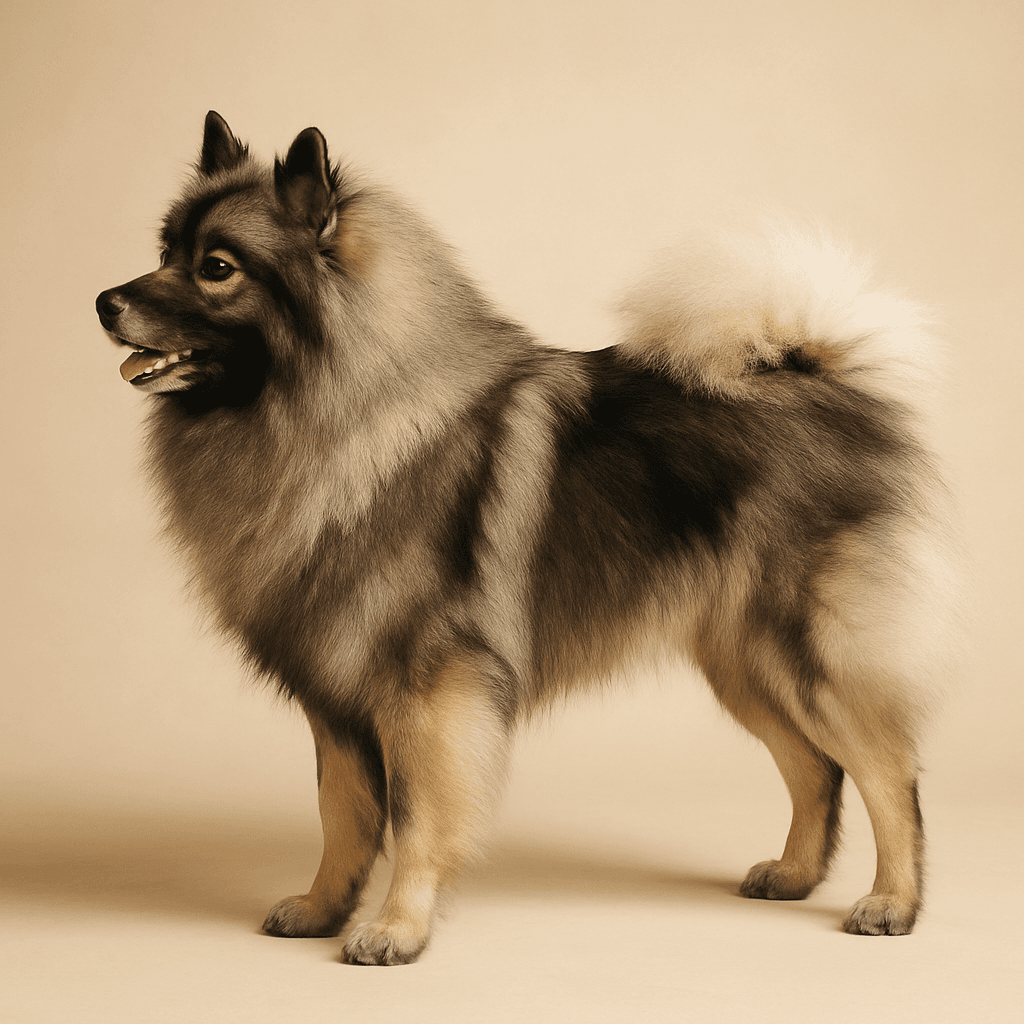
The Keeshond is an immediately recognisable dog. The profuse double coat forms a characteristic lion-like mane around the neck and shoulders, with the thick tail carried in a tight curl over the back. The face shows the distinctive spectacles markings - a pattern of shading and lines around the eyes that gives the breed a characteristic alert and almost quizzical expression. The coat is grey, black and cream in a specific wolf-grey pattern, with a pale underbody. Adults typically stand 43 to 46 centimetres at the shoulder and weigh 16 to 20 kilograms.
The character is outgoing, affectionate and genuinely people-focused. The Keeshond is a companion breed through and through - it bonds closely with its family, is good with children, generally sociable with other dogs and has an adaptable, willing quality that makes it more trainable than many spitz breeds. It does not do well in isolation and is happiest when involved in family life. It is an alert watchdog and will announce visitors, though it is not a guard dog.
Training is enjoyable with a Keeshond. The breed responds well to positive reinforcement and has been successful in obedience, agility and other dog sports. It is an enthusiastic and engaging training partner.
Health considerations include Hip Dysplasia, for which hip scoring is recommended. Hereditary heart conditions and Hyperadrenocorticism (Cushing's disease) have been documented in the breed, and eye testing is recommended. The breed can also be affected by Primary Hyperparathyroidism, for which a DNA test is available - responsible breeders should test before breeding.
Purchase prices from KC-registered, health-tested breeders range from £1,000 to £2,000. Monthly running costs average £80 to £140. The Keeshond Club is the primary resource for breed information, health testing guidance, responsible breeders and rescue contact.
Temperament & Personality
Sociable, expressive, lively and affectionate - the Keeshond is an engaging and warm companion. Excellent with children. Vocal and alert - barks readily. Good with other dogs. Devoted to its family. Not aggressive. Known for its expressive face and spectacle markings.
Training
Keeshonds are intelligent, willing and trainable - more biddable than many spitz breeds. They respond well to positive reinforcement and enjoy training as an activity. They excel in obedience, agility and rally. Early socialisation and vocal management are important.
Exercise Needs
Keeshonds need 1-1.5 hours of daily exercise. They are active and enjoy varied outdoor activity. Mental stimulation through training and play is important. They adapt well to family life and enjoy participating in activities.
Health & Vet Costs
Hip dysplasia requires scoring of both parents. Eye conditions including PRA and hereditary cataract have been documented. Epilepsy is a known concern in the breed - ask breeders directly and check family history. Autoimmune conditions have been reported. The Keeshond Club monitors breed health. Lifespan 12-15 years.
Protect your Keeshond with the right insurance
Vet costs are rising. Lifetime cover means long-term conditions stay covered for life -- not just 12 months.
Feeding & Nutrition
High-quality medium breed complete food. Adults typically need 220-300g dry food daily across two meals. Monitor body condition. Fresh water always available.
Feeding your Keeshond
How much to feed, which food types suit this breed, and what to avoid.
Grooming & Care
The thick double coat requires brushing two to three times weekly and daily during heavy twice-yearly shedding. Professional grooming periodically. The spectacle markings around the eyes are a breed characteristic and need no special maintenance. Ears need checking. Dental care important.
Costs of Ownership
Keeshond puppies from KC-registered, health-tested breeders typically cost £800-£1,800. Annual ongoing costs average £1,100-£1,700.
Is a Keeshond Right for You?
Active families and individuals who want a sociable, expressive companion. Good with children. Vocal by nature - not ideal for noise-sensitive settings without training. Needs 1-1.5 hours exercise. Hip and eye testing of parents essential. Epilepsy is a known breed concern - ask breeders specifically.
Related Guides
Free newsletter
Get the weekly guide for UK dog owners
Breed spotlights, training tips and health advice delivered every week.