Kishu Ken
Complete UK breed guide
Quick answer
The Kishu Ken is an ancient Japanese hunting spitz - one of the six native Japanese Spitz breeds designated as Natural Monuments. Independent, devoted and with strong prey drive. Very rare in the UK. Not KC-recognised. Experienced spitz owners only. Lifespan 11-13 years.
Quick Facts
- Size
- Medium
- Weight
- 15–20 kg
- Lifespan
- 11–13 years
- Breed Group
- Utility
- Exercise
- 60–75 mins/day
- Activity Level
- Moderate
- Grooming
- Moderate
- Monthly Cost
- £90–£150/month
- Temperament
- —
- Good with Children
- No
- Good with Dogs
- No
- Good for First Timers
- No
- Suits Flats
- No
Breed Overview
The Kishu Ken is one of Japan's ancient native spitz breeds, a medium-sized hunting dog developed for centuries in the Kishu region of central Japan (modern Wakayama and Mie prefectures) and used traditionally for hunting wild boar and deer in mountainous terrain. The breed shares its origins with other Japanese native spitz including the Shiba Inu, Shikoku and Hokkaido, all produced by the same ancient hunting dog stock, but developed its own distinct type through geographical isolation and regional selective breeding. The Kishu Ken was designated a Natural Monument of Japan in 1934. It is recognised by the FCI but remains rare outside Japan and is virtually unknown as a companion breed in the United Kingdom.
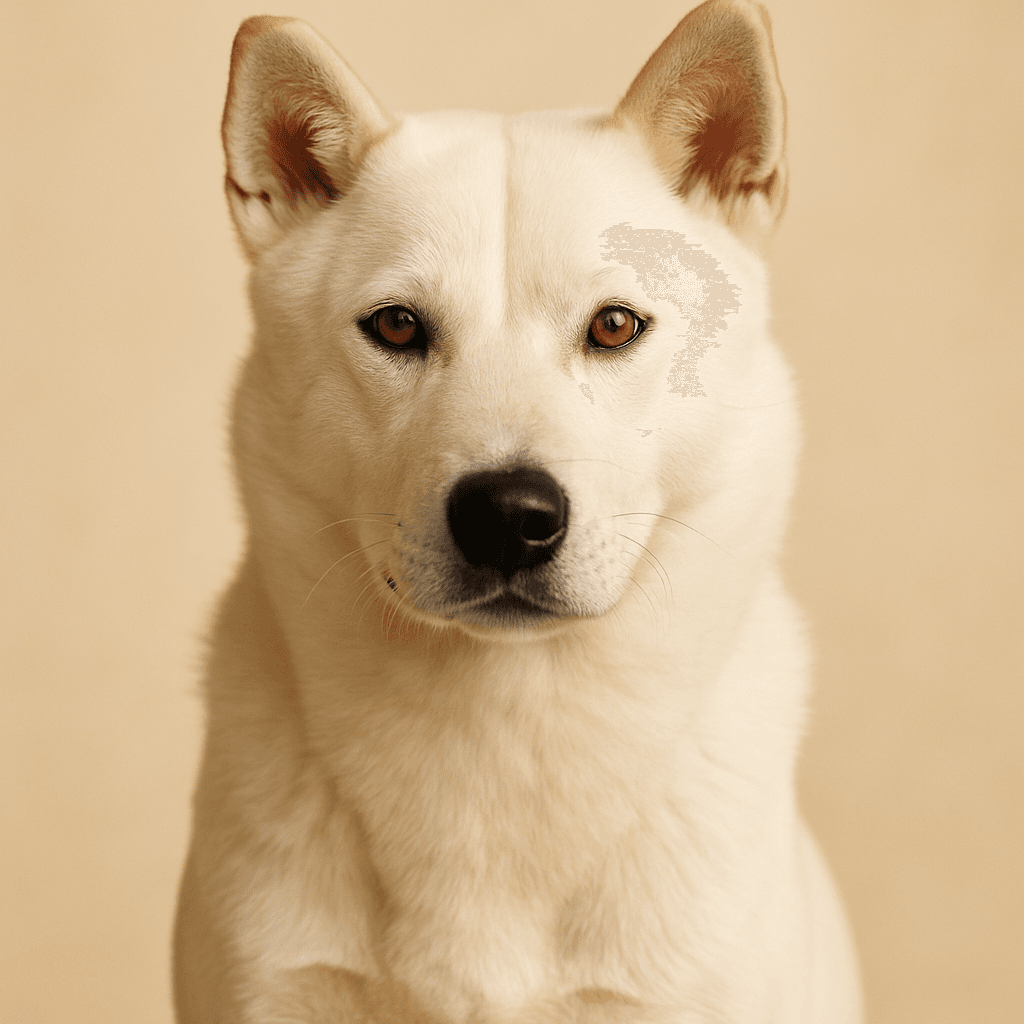
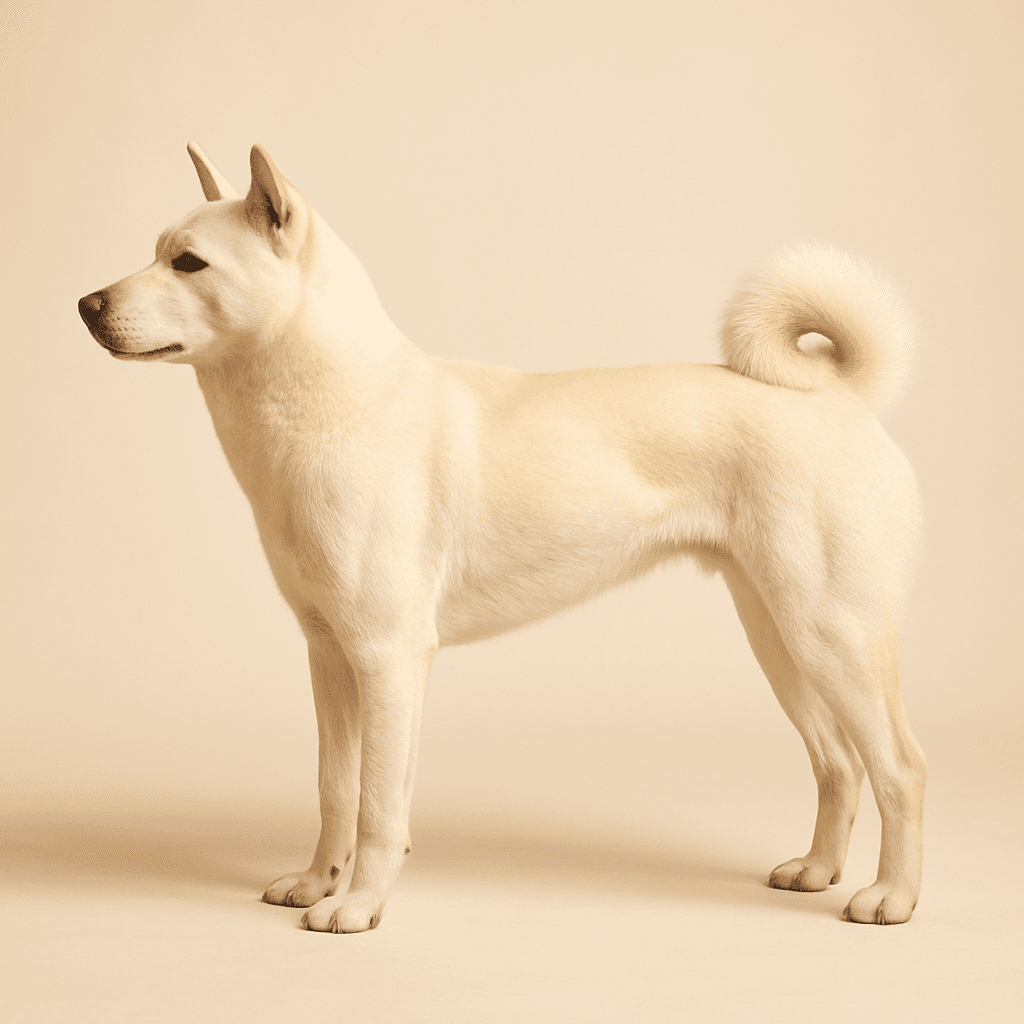
The Kishu Ken is a clean-cut, well-muscled medium spitz of considerable natural elegance. The majority of modern Kishu are white - the solid white coat became dominant through selective breeding during the twentieth century, though sesame and red individuals exist. The coat is short, thick and double. Adults typically stand 43 to 55 centimetres at the shoulder and weigh 14 to 27 kilograms.
The character is loyal, calm, and independent - considerably less demonstrative than the Shiba Inu but sharing many of the same primitive instincts. The Kishu is deeply devoted to its own family but not typically outgoing with strangers, and early socialisation is important. The hunting background instils a strong prey drive and significant independence - this is not a breed that will defer naturally to its owner's wishes.
As a rare breed in the UK, finding a responsible breeder requires considerable research. Formal health testing programmes are less developed than for KC-registered breeds given the rarity of the breed here. Hip Dysplasia and eye conditions have been documented. The hunting heritage means a secure and substantial garden is essential, and recall cannot be assumed reliable.
Purchase prices are difficult to characterise given the rarity of availability in the UK. Prospective owners should expect to wait for a puppy and may need to source from European or international breeders. Monthly running costs average £90 to £150. The rarity of this breed in the UK makes it genuinely unsuitable as a first dog and demands owner research beyond what is typical for a companion breed.
Temperament & Personality
Devoted, alert, independent and courageous - the Kishu Ken is deeply loyal to its own family while remaining reserved or cautious with strangers. Strong prey drive. Clean and dignified in the home. Quiet and calm when not working. High stamina. A primitive hunting dog at heart.
Training
Kishu Ken are intelligent but highly independent hunting dogs. They respond to patient, consistent positive training but are not naturally biddable. Early and thorough socialisation is essential. Recall training is challenging given the prey drive. Experienced spitz handling required.
Exercise Needs
Kishu Ken need 1-1.5 hours of vigorous daily exercise. They are athletic hunting dogs with genuine endurance. Exercise must be on-lead or in secured areas given the prey drive. Mental stimulation is important.
Health & Vet Costs
The Kishu Ken is generally a robust primitive breed with few documented hereditary conditions. Hip dysplasia can occur. Eye conditions have been noted. As an extremely rare breed in the UK, health data is very limited. Hip and eye testing of parents advisable. Lifespan 11-13 years.
Protect your Kishu Ken with the right insurance
Vet costs are rising. Lifetime cover means long-term conditions stay covered for life -- not just 12 months.
Feeding & Nutrition
High-quality medium breed complete food. Adults typically need 200-300g dry food daily across two meals. Monitor body condition. Fresh water always available.
Feeding your Kishu Ken
How much to feed, which food types suit this breed, and what to avoid.
Grooming & Care
The short, dense double coat requires brushing weekly and more frequently during seasonal shedding. Shedding can be heavy twice yearly. The breed is clean and odour-free by nature. Ears need checking. Dental care important.
Costs of Ownership
Kishu Ken are extremely rare in the UK. Puppies sourced from specialist importers or Japanese breeders may cost £2,000-£4,000+. Ongoing costs average £1,000-£1,600 annually.
Is a Kishu Ken Right for You?
Experienced spitz and primitive breed owners only. Not suitable for first-time owners. Strong prey drive - secure fencing and lead exercise essential. Can be aloof with strangers. Generally one-person or one-family devoted. Extremely rare in the UK - long waiting lists and import likely required.
Related Guides
Free newsletter
Get the weekly guide for UK dog owners
Breed spotlights, training tips and health advice delivered every week.