Lakeland Terrier
Complete UK breed guide
Quick answer
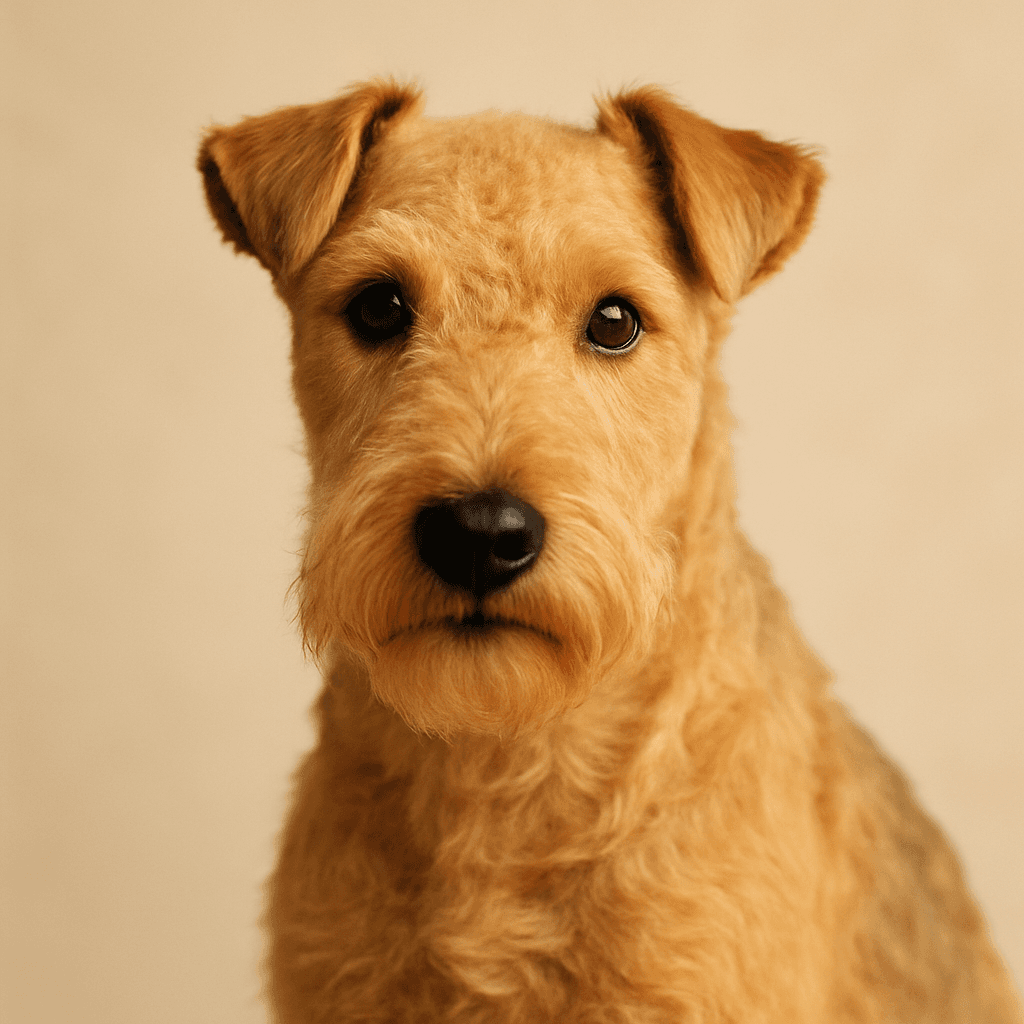
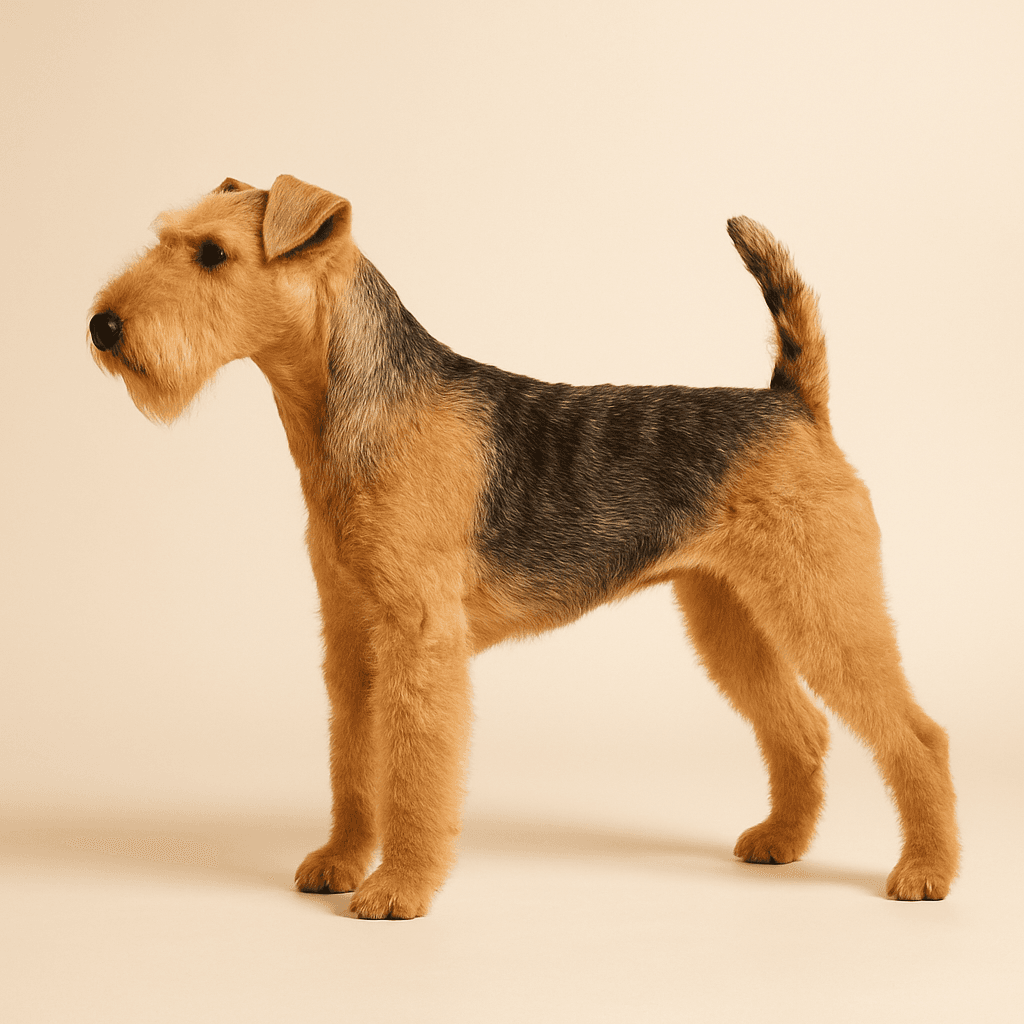
The Lakeland Terrier is a fell and mountain terrier from the English Lake District, bred to hunt foxes in challenging mountain terrain. Bold, confident and independent with a wiry double coat requiring hand-stripping. More trainable than some terriers but determined. Suited to active owners. KC Terrier Group.
Quick Facts
- Size
- Small
- Weight
- 7–8 kg
- Lifespan
- 12–15 years
- Breed Group
- Terrier
- Exercise
- 45–60 mins/day
- Activity Level
- High
- Grooming
- Moderate
- Monthly Cost
- £90–£140/month
- Temperament
- —
- Good with Children
- Yes
- Good with Dogs
- No
- Good for First Timers
- Yes
- Suits Flats
- Yes
Breed Overview
The Lakeland Terrier is one of England's oldest and most distinctive working terriers, developed in the rugged fell and mountain country of Cumbria to hunt foxes that preyed on the sheep flocks in the fells. Unlike terriers developed for earth work in lowland areas, the Lakeland was required to be a genuinely athletic and self-reliant working dog capable of pursuing quarry across steep mountain terrain and into rocky crevices where conventional earth dogs could not follow. The breed was first shown under its present name in 1921 and was recognised by the Kennel Club in the Terrier Group, where it has been a consistent if modest presence since.
The Lakeland Terrier is a compact, well-balanced and sturdy small terrier. The coat is dense and wiry, providing weather resistance in the challenging Cumbrian climate, and comes in a range of colours including black and tan, blue and tan, red, red grizzle, grizzle and tan, and wheaten. The correct wiry double coat requires hand-stripping to maintain texture and correct colour - clipping produces a softer, paler coat and is generally avoided by those who show or work the breed. Adults typically stand around 37 centimetres at the shoulder and weigh 7 to 8 kilograms.
The character is unmistakably terrier. The Lakeland is bold, energetic and confident, with a lively intelligence and a strong sense of its own judgment. It is devoted to its own people and genuinely affectionate with family members, good with children who understand how to handle dogs, and playful and engaging in everyday life. It is also, as all honest terrier owners will acknowledge, self-reliant, sometimes stubborn, and possessed of a strong prey drive that requires management. The breed was developed to make independent decisions in challenging terrain and this quality does not disappear in the companion setting.
Same-sex dog aggression can occur and introductions to other dogs should be managed carefully, particularly with other terriers. Recall is less reliable than in gundog breeds and off-lead exercise should be conducted in securely fenced areas until a reliable recall is thoroughly established.
Training requires an owner who understands the terrier mind. The Lakeland is intelligent and perfectly capable of learning a wide range of behaviours, but it is not naturally biddable in the way a gundog or herding breed is. Short, positive, engaging training sessions with high-value rewards produce the best results. Harsh or repetitive training produces resistance and resentment.
Health considerations are manageable. Lens Luxation, documented in the terrier group, warrants DNA testing of parents. Eye testing is recommended generally. Legg-Calve-Perthes Disease, a condition affecting the hip joint documented in some small terrier breeds, has been noted in Lakelands.
Purchase prices from KC-registered, health-tested breeders range from £800 to £1,500. Monthly running costs average £60 to £100. The Lakeland Terrier Association and the Lakeland Terrier Club are the primary resources for breed information, health guidance, responsible breeders and rescue contact.
Temperament & Personality
Bold, confident and characterful. Devoted to its own family but self-reliant and independent by nature. Alert and vocal - a natural watchdog. Playful and energetic, with the tenacity and determination of a working fell terrier. Gets on with children who are respectful. Can be assertive with other dogs.
Training
Intelligent and capable but characteristically terrier - inclined to think for itself and less naturally biddable than gundog breeds. Positive reinforcement with high-value rewards and short, engaging sessions work best. The breed responds poorly to harsh methods. Early socialisation with other dogs and environments is essential.
Exercise Needs
Needs at least 60 minutes of vigorous exercise daily. Off-lead running in secure areas is important. The breed has strong prey drive and recall should be thoroughly trained before off-lead exercise in open terrain. Mental stimulation through training, games and problem-solving is as important as physical exercise.
Health & Vet Costs
Generally a robust and healthy breed. Lens Luxation is documented in the terrier group and DNA testing of parents is advisable. Eye testing recommended. Legg-Calve-Perthes Disease has been documented in some terrier lines. The Lakeland Terrier Association maintains health monitoring information.
Protect your Lakeland Terrier with the right insurance
Vet costs are rising. Lifetime cover means long-term conditions stay covered for life -- not just 12 months.
Feeding & Nutrition
Feed a high-quality complete food appropriate for a small active breed. The Lakeland is compact but energetic and portion control is important to avoid overfeeding. Two meals daily. Monitor weight given the breed's tendency toward a robust appetite.
Feeding your Lakeland Terrier
How much to feed, which food types suit this breed, and what to avoid.
Grooming & Care
The dense wiry double coat requires hand-stripping twice yearly to maintain correct texture and colour. Clipping softens the coat permanently. Regular brushing between strips prevents matting. Professional grooming by someone experienced with terrier coats is recommended if the owner does not hand-strip themselves.
Costs of Ownership
Purchase price from a KC-registered, health-tested breeder: £800 to £1,500. Monthly running costs: £60 to £100. Hand-stripping costs should be factored in if done professionally.
Is a Lakeland Terrier Right for You?
Suited to active owners who appreciate terrier character and can provide confident, consistent handling. Good with children who respect dogs. Can be assertive with other dogs and has strong prey drive toward small animals. Not suited to passive or sedentary owners. A terrier in every sense - energetic, determined and self-reliant.
Related Guides
Free newsletter
Get the weekly guide for UK dog owners
Breed spotlights, training tips and health advice delivered every week.