Large Munsterlander
Complete UK breed guide
Quick answer
The Large Munsterlander is a German versatile HPR gundog with a beautiful silky black and white coat. Bred for hunting and retrieving across all terrain, it excels in the field and as a family companion. Energetic, intelligent and devoted. Needs substantial daily exercise. KC Gundog Group.
Quick Facts
- Size
- Large
- Weight
- 25–30 kg
- Lifespan
- 12–13 years
- Breed Group
- Gundog
- Exercise
- 90–120 mins/day
- Activity Level
- High
- Grooming
- Moderate
- Monthly Cost
- £120–£190/month
- Temperament
- —
- Good with Children
- Yes
- Good with Dogs
- Yes
- Good for First Timers
- No
- Suits Flats
- No
Breed Overview
The Large Munsterlander is a German versatile hunting dog of considerable distinction, bred in the Munster region of north-western Germany and used for over a century as a premier hunt, point and retrieve gundog capable of working across any terrain, in water and in heavy cover. The breed shares early origins with the German Longhaired Pointer but developed as a distinct breed when a population of black and white individuals was excluded from the German Longhaired Pointer stud book on colour grounds in the early twentieth century. Breeders of these black and white dogs established a separate breed club in 1919 and the Large Munsterlander has been developed and maintained as a distinct type ever since. In the United Kingdom it is registered by the Kennel Club in the Gundog Group.
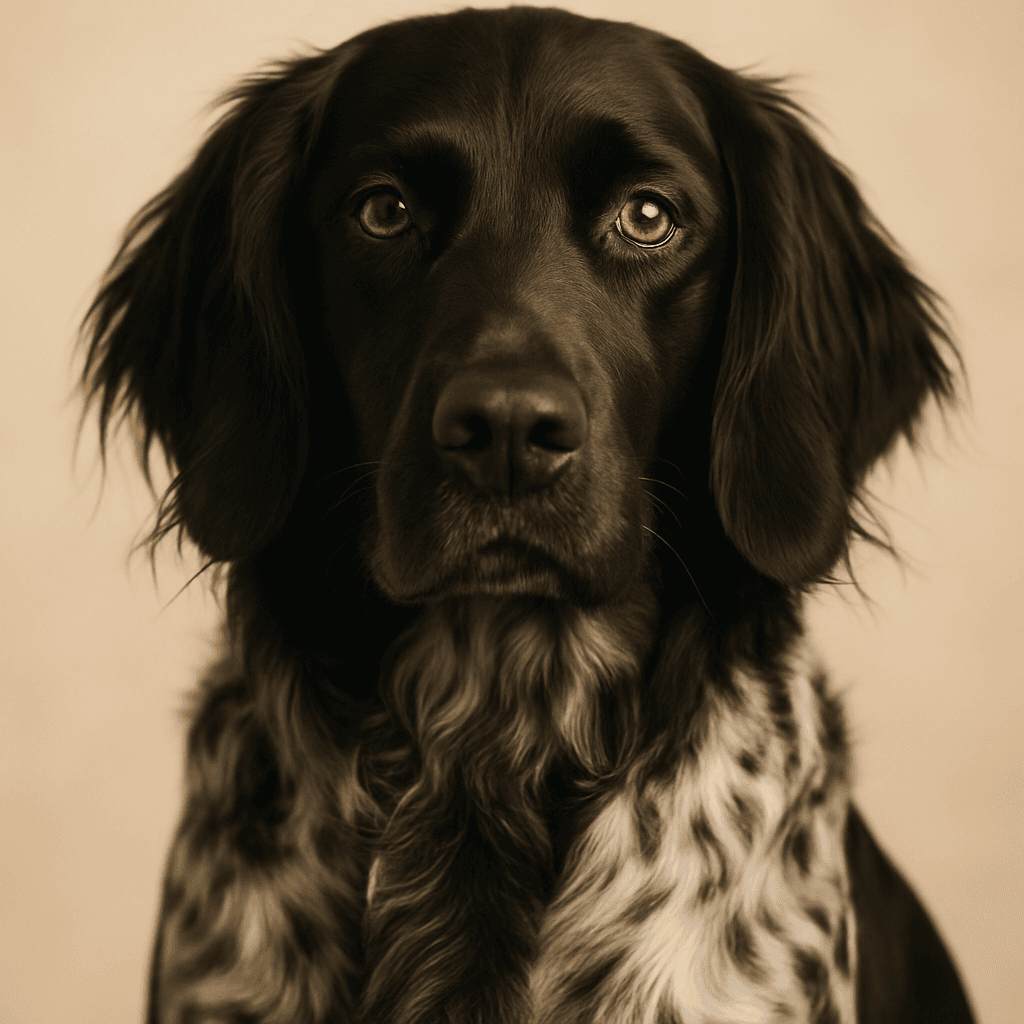
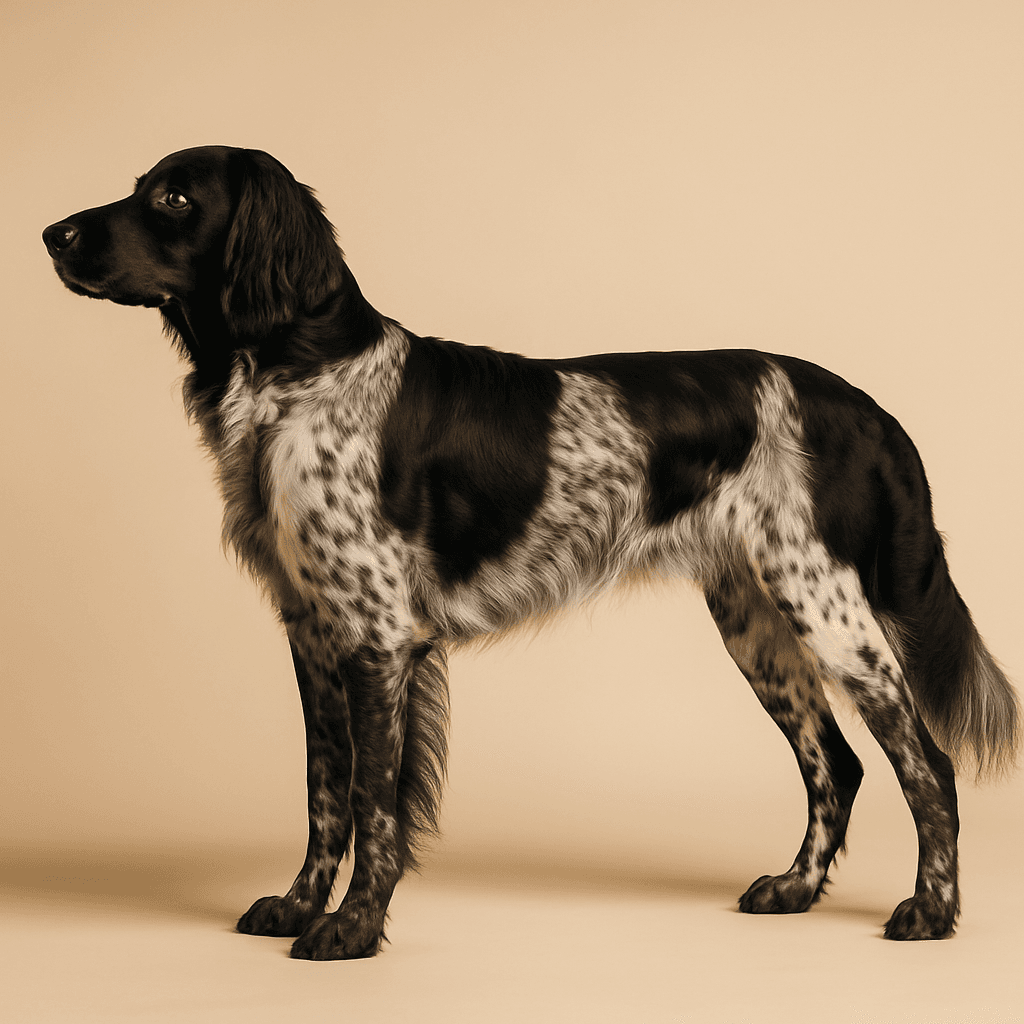
The breed is large, well-muscled and elegant with a beautiful silky, flat coat in black and white, typically with a black head, white blaze and a variously patched or ticked body. The coat provides good weather resistance without the maintenance demands of some coarser-coated breeds. Adults typically stand 58 to 65 centimetres at the shoulder and weigh 25 to 32 kilograms.
The character sets the Large Munsterlander apart from some of the more driven HPR breeds. It is warm, devoted and genuinely family-oriented, bonding closely with its household, excellent with children and consistently sociable with other dogs. In the home it is calm, affectionate and adaptable; in the field it is a determined, methodical and highly capable working dog. This combination makes it one of the most popular HPR breeds with those who want both a serious working dog and a genuinely companionable family member.
The breed's working capability is comprehensive. The Large Munsterlander will quarter terrain hunting for game, hold a steady point on scent, flush on command and retrieve cleanly from both land and water. It is an excellent swimmer and works willingly in poor conditions. Those in companion settings must substitute with a robust programme of off-lead exercise, retrieving, swimming and nose work.
Training is a pleasure with the Large Munsterlander. The breed is intelligent, responsive and genuinely wants to engage with its handler - more naturally biddable than some of the more independent HPR breeds. Positive reward-based training and consistent handling produce a well-rounded and reliable companion.
Hip Dysplasia is the primary health consideration and hip scoring of both parents is strongly recommended. Eye conditions including Hereditary Cataract have been documented in the breed.
Purchase prices from KC-registered, health-tested breeders range from £1,200 to £2,500. Monthly running costs average £100 to £160. The Large Munsterlander Club UK is the primary resource for breed information, health testing, responsible breeders and rescue contact.
Temperament & Personality
Affectionate, devoted and sociable. Outstanding family dog with a calm and steady character. Good with children and typically excellent with other dogs. Bonds closely with its family. Alert but not sharp. Considered one of the most people-friendly and home-adaptable of the HPR breeds.
Training
Highly trainable and eager to engage. One of the more biddable and family-friendly HPR breeds. Responds well to positive reward-based training. Natural aptitude for hunt, point and retrieve work. Early socialisation is important. Recall must be thoroughly trained given the strong hunting drive.
Exercise Needs
Needs a minimum of 90 minutes of vigorous exercise daily. Off-lead running in safe open ground, retrieving, swimming and nose work all satisfy the working drive. A breed that benefits from an activity programme rather than routine walks - HPR work, field sports or organised dog sports are ideal.
Health & Vet Costs
Hip Dysplasia is the primary concern in large HPR breeds and hip scoring of both parents is strongly recommended. Eye testing is advised. Hereditary Cataract and other eye conditions have been documented. The Large Munsterlander Club UK maintains health testing information and requirements.
Protect your Large Munsterlander with the right insurance
Vet costs are rising. Lifetime cover means long-term conditions stay covered for life -- not just 12 months.
Feeding & Nutrition
Feed a high-quality complete food for an active large breed, adjusted for workload. Working dogs may require higher calorie provision during the season. Two meals daily to reduce bloat risk given the deep chest. Monitor weight in less active periods. Fresh water always available.
Feeding your Large Munsterlander
How much to feed, which food types suit this breed, and what to avoid.
Grooming & Care
The silky flat coat is relatively low-maintenance. Weekly brushing keeps the coat in good condition and removes field debris. The feathering on legs, chest and tail requires attention to prevent matting. Ears should be checked and cleaned regularly given the pendant shape.
Costs of Ownership
Purchase price from a KC-registered, health-tested breeder: £1,200 to £2,500. Monthly running costs including food, insurance, veterinary care and grooming: £100 to £160.
Is a Large Munsterlander Right for You?
Best suited to active owners with access to open countryside and ideally a working or field sports context. Excellent family dog when adequately exercised. Good with children and sociable with other dogs. Not suited to urban or flat living without substantial daily exercise. A working gundog that needs purpose and physical outlet.
Related Guides
Free newsletter
Get the weekly guide for UK dog owners
Breed spotlights, training tips and health advice delivered every week.