Leonberger
Complete UK breed guide
Quick answer
The Leonberger is a giant German breed created in the nineteenth century by Heinrich Essig of Leonberg, combining Saint Bernard, Newfoundland and Great Pyrenees bloodlines to resemble a lion. Gentle, confident and devoted family dog despite imposing size. Needs space and exercise. Short lifespan. KC Working Group.
Quick Facts
- Size
- Giant
- Weight
- 41–77 kg
- Lifespan
- 8–9 years
- Breed Group
- Working
- Exercise
- 75–90 mins/day
- Activity Level
- Moderate
- Grooming
- High
- Monthly Cost
- £170–£280/month
- Temperament
- —
- Good with Children
- Yes
- Good with Dogs
- Yes
- Good for First Timers
- No
- Suits Flats
- No
Breed Overview
The Leonberger is one of the most striking and genuinely majestic of all dog breeds, a German giant created in the nineteenth century by Heinrich Essig, the mayor of Leonberg in the Kingdom of Wurttemberg, with the stated ambition of producing a dog that resembled the lion in the crest of his home town. Essig worked from the 1830s onwards, crossing Saint Bernards from the hospice at the Great St Bernard Pass with Newfoundlands and subsequently incorporating Great Pyrenees bloodlines, selectively breeding for the desired leonine appearance - the massive, dignified build, the thick lion-mane of longer coat around the neck and chest, and the characteristic black facial masking. The breed was publicly established by the 1840s and Essig presented dogs to several European royals. The Leonberger was recognised by the Kennel Club in the Working Group.
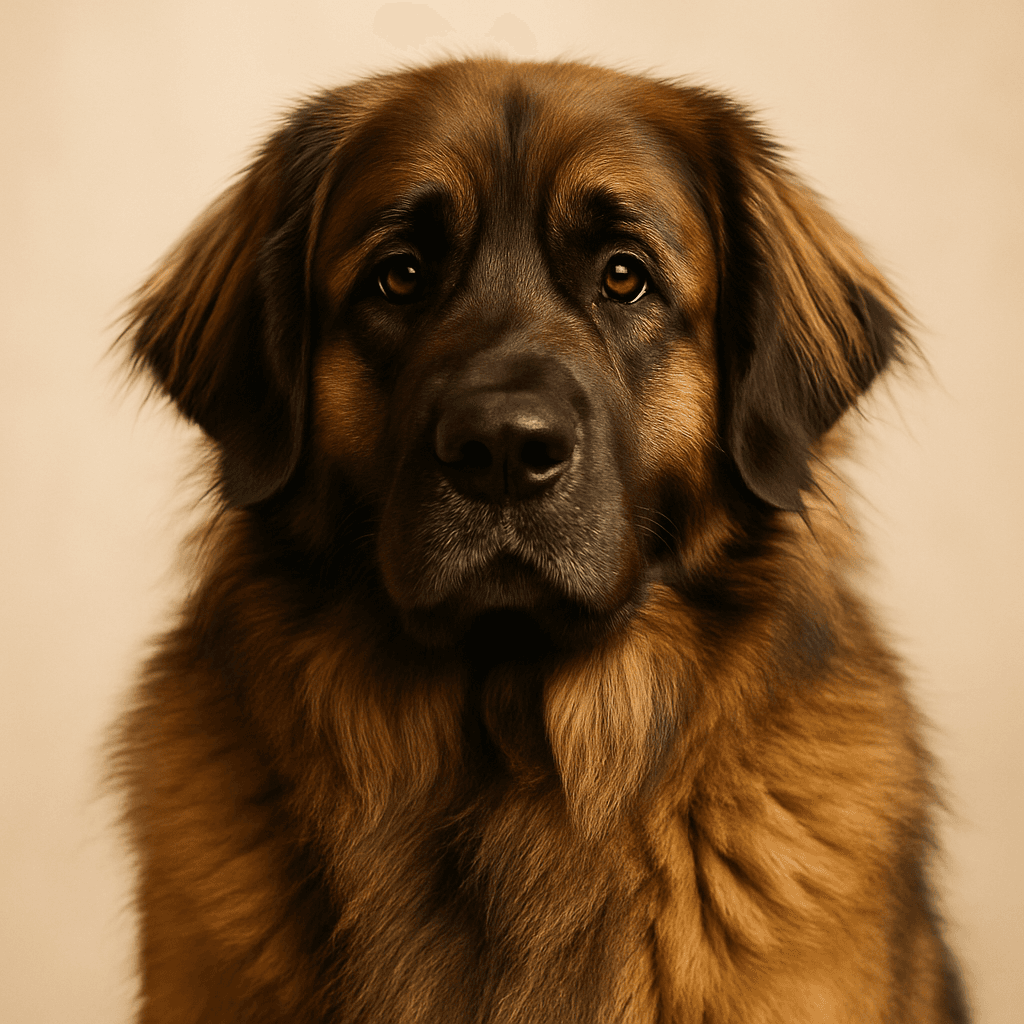
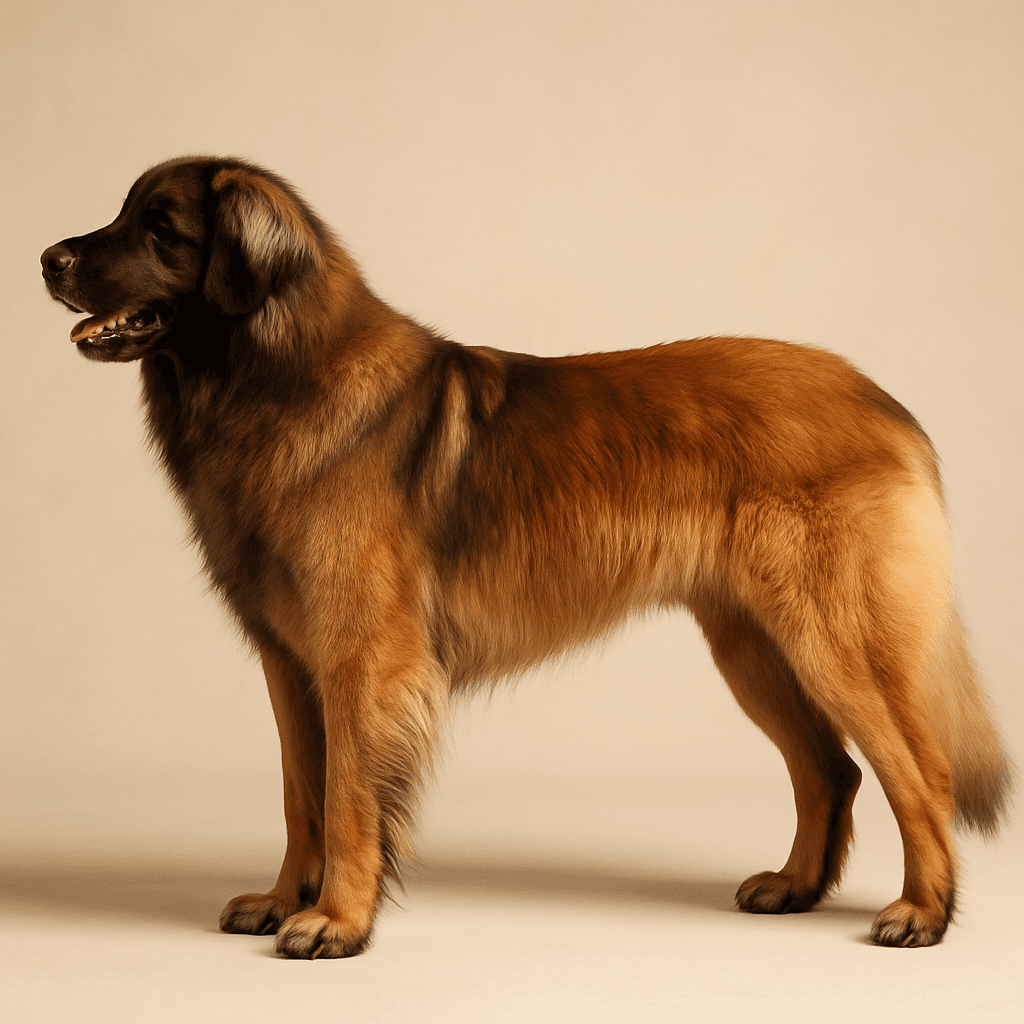
The breed is very large, powerfully built and impressively handsome. The coat is long, thick and flowing, lion-yellow to red-brown in colour with a pronounced black mask and a substantial mane of longer darker fur around the neck and shoulders. Adults typically stand 65 to 80 centimetres at the shoulder and weigh 41 to 75 kilograms - females are smaller than males but both sexes are genuinely large dogs.
The character lives up to the promise of the physical impression. The Leonberger is calm, gentle, confident and deeply devoted to its family. It is patient with children, sociable and generally good with other dogs, and has a steady, tolerant quality that makes it one of the more reliably gentle of all giant breeds. It is alert and will notice the arrival of strangers but is not aggressive or sharp. The breed is affectionate and people-oriented and does not thrive in isolation or kennelling.
Despite the gentle character, the sheer size of the Leonberger demands early and thorough training in basic manners. A Leonberger that has not learned loose-lead walking, impulse control around food and basic obedience is a genuinely challenging animal for any owner to manage, regardless of its good-natured intentions. Training from puppyhood with positive reward-based methods, combined with wide and varied socialisation, is the foundation of a well-mannered adult.
Health considerations are significant and require careful attention. Leonberger Polyneuropathy (LPN1 and LPN2) is a debilitating hereditary neurological condition for which DNA tests are available - no responsible breeder should produce puppies without clear DNA test results for both conditions in both parents. Hip and Elbow Dysplasia scoring is standard for KC Assured Breeders. Osteosarcoma and heart conditions are also documented. The Leonberger is a short-lived breed relative to smaller dogs - average lifespan is 8 to 9 years - and prospective owners should approach this honestly.
Purchase prices from KC-registered, health-tested breeders range from £1,500 to £3,000. Monthly running costs are substantial given the size: £150 to £250. The Leonberger Club of Great Britain and the British Leonberger Club are the primary resources for breed information, health testing, responsible breeders and rescue contact.
Temperament & Personality
Gentle, calm and affectionate. A genuine gentle giant with a patient and steady character. Devoted to its family. Good with children though size requires supervision with very young ones. Generally sociable with other dogs. Alert and confident without being sharp or reactive.
Training
Intelligent and generally willing to engage. Responds well to positive reward-based training. The giant size makes early training in leash manners and impulse control essential - a poorly mannered adult Leonberger is a genuine management challenge. Socialisation from an early age across a wide range of environments is important.
Exercise Needs
Needs 60 to 90 minutes of moderate exercise daily. Avoid over-exercising growing puppies - no sustained jogging or stair-climbing until two years of age when the skeleton matures. Adult Leonbergers enjoy walking, swimming and hiking. Hot weather exercise should be avoided given the heavy coat and giant build.
Health & Vet Costs
Leonberger Polyneuropathy (LPN1 and LPN2) is a serious hereditary neurological condition for which DNA tests are available - no responsible breeder should produce puppies without clear results for both conditions. Hip and Elbow Dysplasia scoring is standard. Osteosarcoma and heart conditions are also documented. Average lifespan 8 to 9 years.
Protect your Leonberger with the right insurance
Vet costs are rising. Lifetime cover means long-term conditions stay covered for life -- not just 12 months.
Feeding & Nutrition
Feed a high-quality large or giant breed complete food. Giant breeds require controlled growth during puppyhood to reduce joint stress - avoid high-protein puppy foods that push rapid growth. Two or three meals daily to reduce bloat risk. Monitor weight carefully.
Feeding your Leonberger
How much to feed, which food types suit this breed, and what to avoid.
Grooming & Care
The heavy double coat requires significant grooming effort. Thorough brushing at least three times weekly, daily during shedding seasons, to prevent matting. The mane area mats most readily. Professional grooming every 8 to 12 weeks is helpful. Ears require regular checking. Leonbergers drool - some more than others.
Costs of Ownership
Purchase price from a KC-registered, health-tested breeder: £1,500 to £3,000. Monthly running costs for a giant breed are substantial: £150 to £250, covering large food quantities, higher veterinary costs and professional grooming. Pet insurance premiums are higher for giant breeds.
Is a Leonberger Right for You?
Suits experienced owners with space - ideally a house with a large garden. Gentle and patient with children but size alone warrants supervision with very young children. Good with other dogs. Requires an owner who can manage a very large and powerful dog confidently. Not suited to flats or small homes.
Related Guides
Free newsletter
Get the weekly guide for UK dog owners
Breed spotlights, training tips and health advice delivered every week.