
Maremma Sheepdog
Complete UK breed guide

Quick answer
The Maremma Sheepdog is an ancient Italian livestock guardian bred in Tuscany and the Abruzzo to protect flocks from wolves and bears. Large, white, independent and devoted to its charge. Requires experienced ownership, substantial space and a genuine working or protection role. KC Pastoral Group.
Quick Facts
- Size
- Large
- Weight
- 30–45 kg
- Lifespan
- 11–13 years
- Breed Group
- Pastoral
- Exercise
- 60–75 mins/day
- Activity Level
- Moderate
- Grooming
- High
- Monthly Cost
- £130–£200/month
- Temperament
- —
- Good with Children
- No
- Good with Dogs
- No
- Good for First Timers
- No
- Suits Flats
- No
Breed Overview
The Maremma Sheepdog, known in Italy as the Maremmano-Abruzzese, is one of Europe's oldest and most formidable livestock guardian breeds, developed over millennia in the mountainous regions of Tuscany and the Abruzzo in central Italy to protect flocks of sheep from wolves, bears and human predators. Written references to large white guardian dogs in the region date back to ancient Rome, and the breed's essential type has changed little since: a large, white, heavily coated dog of considerable strength and independence, bonded to its flock and territory with a depth of loyalty that the conventional companion dog cannot match. The breed was registered by the Kennel Club in the Pastoral Group and is found in the United Kingdom primarily with working enthusiasts, smallholders and those with livestock to protect.
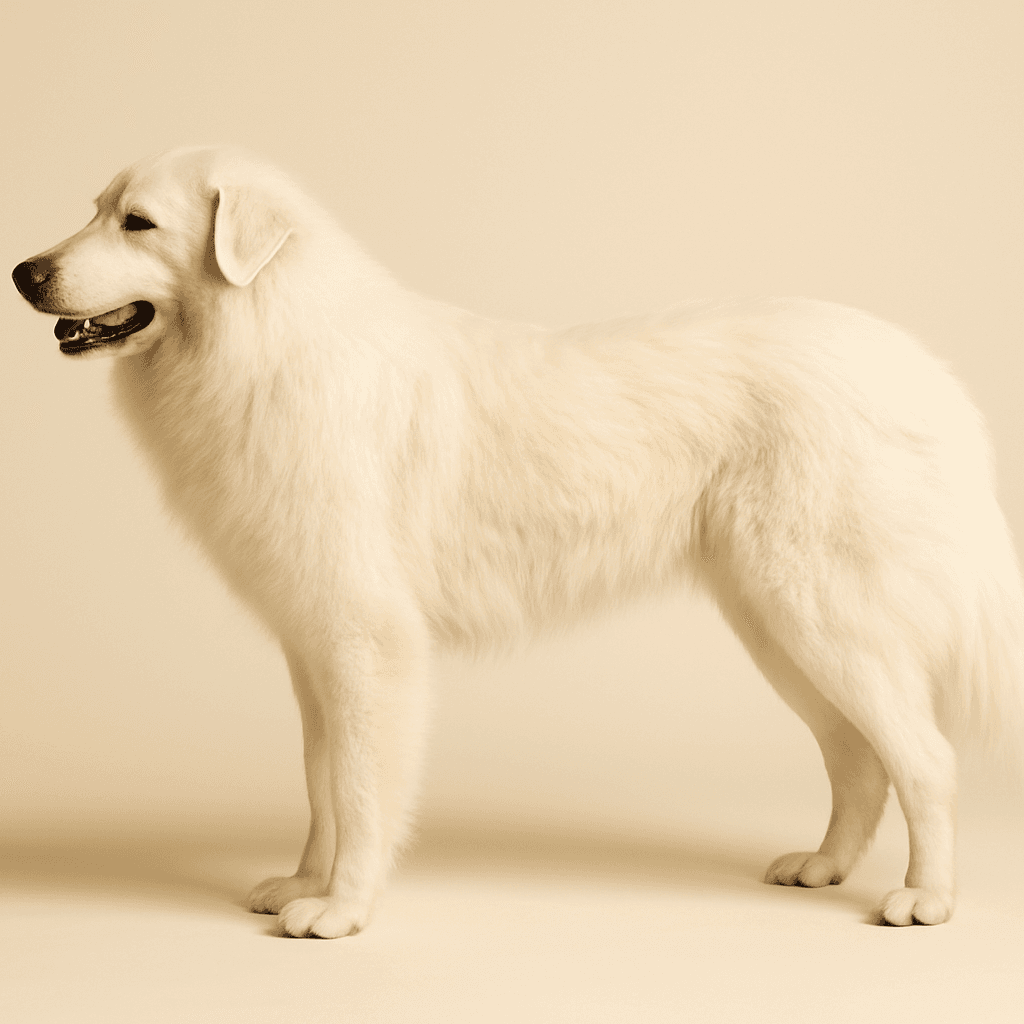
The Maremma Sheepdog is large, powerfully built and unmistakably white - the white coat providing camouflage within the sheep flock and a clear visual distinction from the darker wolves and bears it was bred to deter. The outer coat is long, rough and slightly wavy, providing weather resistance in the demanding Apennine climate. Adults typically stand 60 to 73 centimetres at the shoulder and weigh 30 to 45 kilograms, with males significantly larger than females.
The character reflects the livestock guardian role with complete consistency. The Maremma is calm, self-reliant and watchful in its own territory, devoted to the animals and people it regards as its charge, and instinctively suspicious of strangers and anything unfamiliar. This is not a breed that warms quickly to new people or that shows the sociable openness of companion breeds - the wariness toward strangers is a direct expression of the guarding instinct that makes it valuable in its working context. The breed will act on its own judgment and does not require or respond to human direction in the conventional sense.
This fundamental character makes the Maremma genuinely unsuitable as a conventional companion breed for most owners. It requires substantial space, clear territory, consistent experienced handling and ideally a genuine working context - whether with livestock to guard or a large property to patrol. An under-stimulated or poorly managed Maremma in an inappropriate context is a welfare concern and a practical management challenge.
Training in the conventional obedience sense is largely inapplicable to livestock guardian breeds. The Maremma operates on autonomous decision-making honed over thousands of years, and attempting to replace this with the biddable compliance sought in working or companion breeds produces frustration on both sides. The most effective approach involves consistent establishment of boundaries, patient management and the building of trust over time.
Health considerations include Hip Dysplasia, for which hip scoring is recommended, and bloat - a significant risk in deep-chested large breeds for which twice-daily feeding is advisable. Eye conditions have been documented and should be assessed in breeding stock.
Purchase prices from KC-registered breeders range from £1,000 to £2,000. Monthly running costs average £110 to £180. The Maremma Sheepdog Club of Great Britain is the primary resource for breed information, health testing, responsible breeders and the specialist rescue network that can place dogs in appropriate homes.
Temperament & Personality
Calm, watchful and deeply loyal to its own flock or family. Instinctively suspicious of strangers and intruders - a trait that is a feature, not a flaw, in a working guardian. Not demonstratively affectionate in the manner of companion breeds. Devoted but on its own terms. Self-reliant and capable of acting independently.
Training
Conventional obedience training approaches are largely ineffective with livestock guardian breeds. The Maremma was bred to work autonomously without human direction. Consistent boundaries, clear expectations and patient management from an experienced handler produce results. The breed cannot be trained into conventional biddability.
Exercise Needs
As a working livestock guardian the Maremma covers large distances patrolling its territory. In a companion context it needs at least 60 to 90 minutes of daily exercise. A large, securely fenced garden is essential. The breed patrols its territory and needs space to do so - pacing in a small area is a welfare concern.
Health & Vet Costs
Hip Dysplasia is a primary concern in large breeds and hip scoring of both parents is recommended. Bloat is a risk given the large, deep-chested build and twice-daily feeding is advisable. Eye conditions have been documented. The Maremma Sheepdog Club of Great Britain maintains health testing guidance.
Protect your Maremma Sheepdog with the right insurance
Vet costs are rising. Lifetime cover means long-term conditions stay covered for life -- not just 12 months.
Feeding & Nutrition
Feed a high-quality complete food for a large active breed. Working Maremmas in the field may have variable appetite depending on conditions and season. Two meals daily to reduce bloat risk. Monitor weight as the thick coat can conceal condition changes. Fresh water always available.
Feeding your Maremma Sheepdog
How much to feed, which food types suit this breed, and what to avoid.
Grooming & Care
The thick double white coat requires regular brushing, particularly during shedding seasons when the undercoat blows in significant quantity. The coat provides natural weather resistance and should not be over-bathed. Regular brushing two to three times weekly prevents matting. Ears and paws require periodic checking.
Costs of Ownership
Purchase price from a KC-registered breeder: £1,000 to £2,000. Monthly running costs for a large and active breed: £110 to £180, covering food, insurance and veterinary care.
Is a Maremma Sheepdog Right for You?
Suited exclusively to experienced owners who understand livestock guardian breed behaviour. Needs substantial space, ideally a working context. Not suited to urban living, first-time owners or those expecting conventional companion breed behaviour. The breed makes its own decisions and will not defer to unclear or inconsistent leadership.
Related Guides
Free newsletter
Get the weekly guide for UK dog owners
Breed spotlights, training tips and health advice delivered every week.