Mastiff
Complete UK breed guide
Quick answer
The Mastiff (English Mastiff) is one of the world's heaviest dog breeds, an ancient English giant with a history stretching back over two thousand years. Gentle, devoted and calm in the home despite enormous size. Requires space, controlled exercise and experienced ownership. Hip and elbow testing essential. KC Working Group.
Quick Facts
- Size
- Giant
- Weight
- 54–100 kg
- Lifespan
- 6–10 years
- Breed Group
- Working
- Exercise
- 45–60 mins/day
- Activity Level
- Low
- Grooming
- Moderate
- Monthly Cost
- £180–£300/month
- Temperament
- —
- Good with Children
- Yes
- Good with Dogs
- Yes
- Good for First Timers
- No
- Suits Flats
- No
Breed Overview
The Mastiff, also known as the English Mastiff, is one of the oldest and most powerful dog breeds in Britain, an ancient giant whose ancestors were documented in Britain by Julius Caesar's armies over two thousand years ago and whose descendants served as war dogs, estate guardians and bear-baiting animals throughout English history. The breed was refined in the post-medieval period into a formidable but increasingly companion-oriented type, and was one of the founding breeds of the Kennel Club when it was established in 1873. It remains registered in the Working Group as one of the defining examples of the guardian dog tradition.
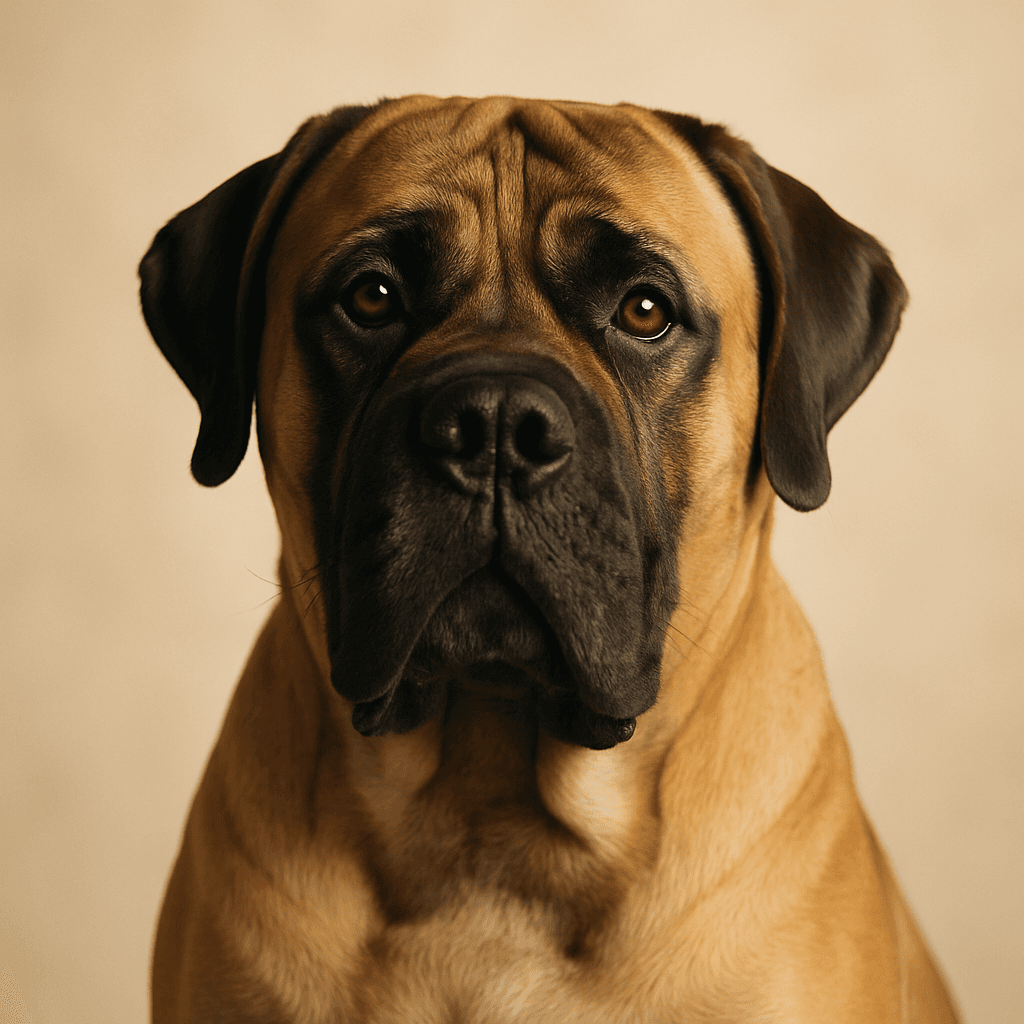
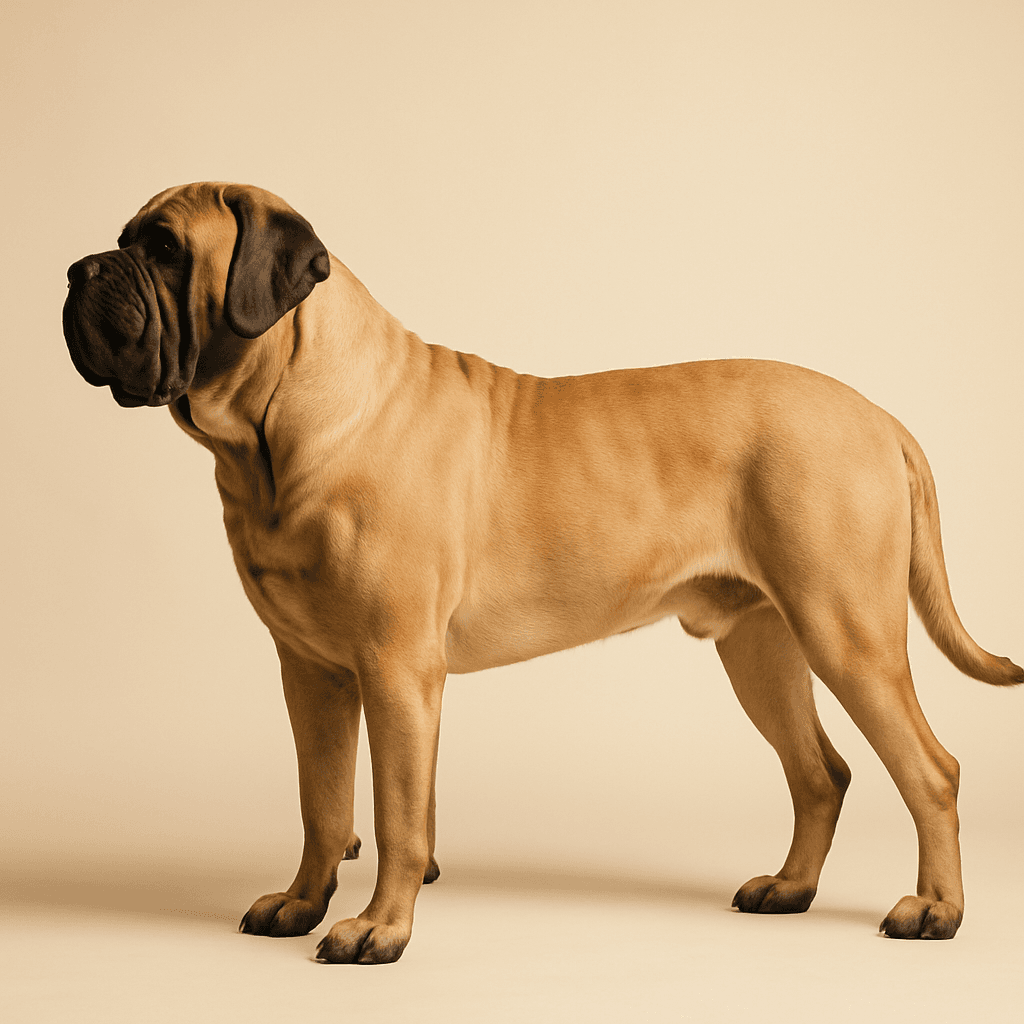
The Mastiff is among the heaviest of all dog breeds. The build is massive and powerfully muscled with a broad, square head, pendulous lips, deep-set dark eyes and a characteristic black mask on the face. The short, dense coat comes in apricot, fawn or brindle. Adults typically stand 70 to 80 centimetres or more at the shoulder and weigh 68 to 100 kilograms - males especially can be extraordinary in their size and solidity.
The character is the great surprise to those who encounter the Mastiff for the first time. Despite the enormous and formidable physical presence, the Mastiff is gentle, calm, devoted and deeply affectionate with its own family. It is patient with children, tolerant in the home and possessed of a steady, measured quality that makes it one of the most reliably even-tempered of all giant breeds. It bonds closely with its family and does not thrive in isolation.
The sheer size creates practical challenges that should not be underestimated. A poorly trained or inadequately managed adult Mastiff is a genuinely challenging animal regardless of good intentions. Training in basic leash manners, recall and impulse control must begin from the first day a puppy arrives and must be maintained consistently as the dog grows. Positive reward-based methods work well - the Mastiff is sensitive and intelligent and does not respond to harsh or punitive handling.
Drool is a reality of Mastiff ownership that cannot be glossed over. The pendulous lips and deep jowls produce significant salivation, particularly around food and exercise, and owners should regard keeping cloths available as a standard part of daily life.
Health considerations are significant. Hip and Elbow Dysplasia are primary concerns and scoring of both parents is mandatory for KC Assured Breeders. Bloat is a genuine life-threatening risk in deep-chested giant breeds and twice-daily feeding is the standard preventive approach. Osteosarcoma and eye conditions are also documented. The Mastiff is a short-lived breed - average lifespan ranges from 6 to 10 years - and prospective owners must approach this reality honestly.
Purchase prices from KC-registered, health-tested breeders range from £1,500 to £3,000. Monthly running costs are substantial: £150 to £250. The Old English Mastiff Club and the Mastiff Association are the primary resources for breed information, health testing, responsible breeders and rescue contact.
Temperament & Personality
Gentle, calm and affectionate - the quintessential gentle giant. Deeply devoted to its family. Patient and tolerant with children. Generally not aggressive but its size alone is a deterrent. Somewhat reserved with strangers but not sharp. The breed is loyal and steady, combining great power with a remarkably docile and even-tempered character.
Training
Intelligent and responsive but the giant size makes early training in leash manners and basic obedience absolutely essential. A poorly trained adult Mastiff is a genuine management challenge regardless of its good nature. Positive reward-based methods work well. The breed is sensitive and does not respond to harsh handling. Early socialisation is critical.
Exercise Needs
Moderate exercise needs - 45 to 60 minutes daily for an adult, avoiding excessive exertion in heat. Puppies must not be over-exercised before two years of age. Swimming is excellent low-impact exercise. Avoid running on hard surfaces with young Mastiffs.
Health & Vet Costs
Hip and Elbow Dysplasia are primary concerns in giant breeds and scoring of both parents is mandatory for KC Assured Breeders. Progressive Retinal Atrophy and other eye conditions have been documented. Bloat is a serious risk in deep-chested giant breeds. Osteosarcoma is documented in Mastiffs. Average lifespan is 6 to 10 years. The Mastiff breed clubs maintain comprehensive health testing guidance.
Protect your Mastiff with the right insurance
Vet costs are rising. Lifetime cover means long-term conditions stay covered for life -- not just 12 months.
Feeding & Nutrition
Feed a high-quality large or giant breed complete food. Giant breeds require controlled growth during puppyhood - avoid high-protein foods that push rapid skeletal growth. Two or three meals daily to reduce bloat risk. Monitor weight carefully - excess weight compounds joint issues.
Feeding your Mastiff
How much to feed, which food types suit this breed, and what to avoid.
Grooming & Care
The short, dense coat is low-maintenance - weekly brushing keeps it in good condition. The facial wrinkles and skin folds require regular cleaning to prevent moisture accumulation and skin infections. Ears should be checked periodically. Drooling is significant and owners should keep cloths to hand.
Costs of Ownership
Purchase price from a KC-registered, health-tested breeder: £1,500 to £3,000. Monthly running costs for a giant breed are substantial: £150 to £250, covering large food quantities, higher veterinary costs and pet insurance premiums. Insurance costs are significantly higher for giant breeds.
Is a Mastiff Right for You?
Suited to experienced owners with substantial space - a large house with a garden is the minimum. Gentle with children but sheer size demands supervision with young ones. Not suited to flats or small homes. The breed requires confident handling and owners who can manage a very large dog. Drool is a lifestyle reality.
Related Guides
Free newsletter
Get the weekly guide for UK dog owners
Breed spotlights, training tips and health advice delivered every week.