Miniature Pinscher
Complete UK breed guide
Quick answer
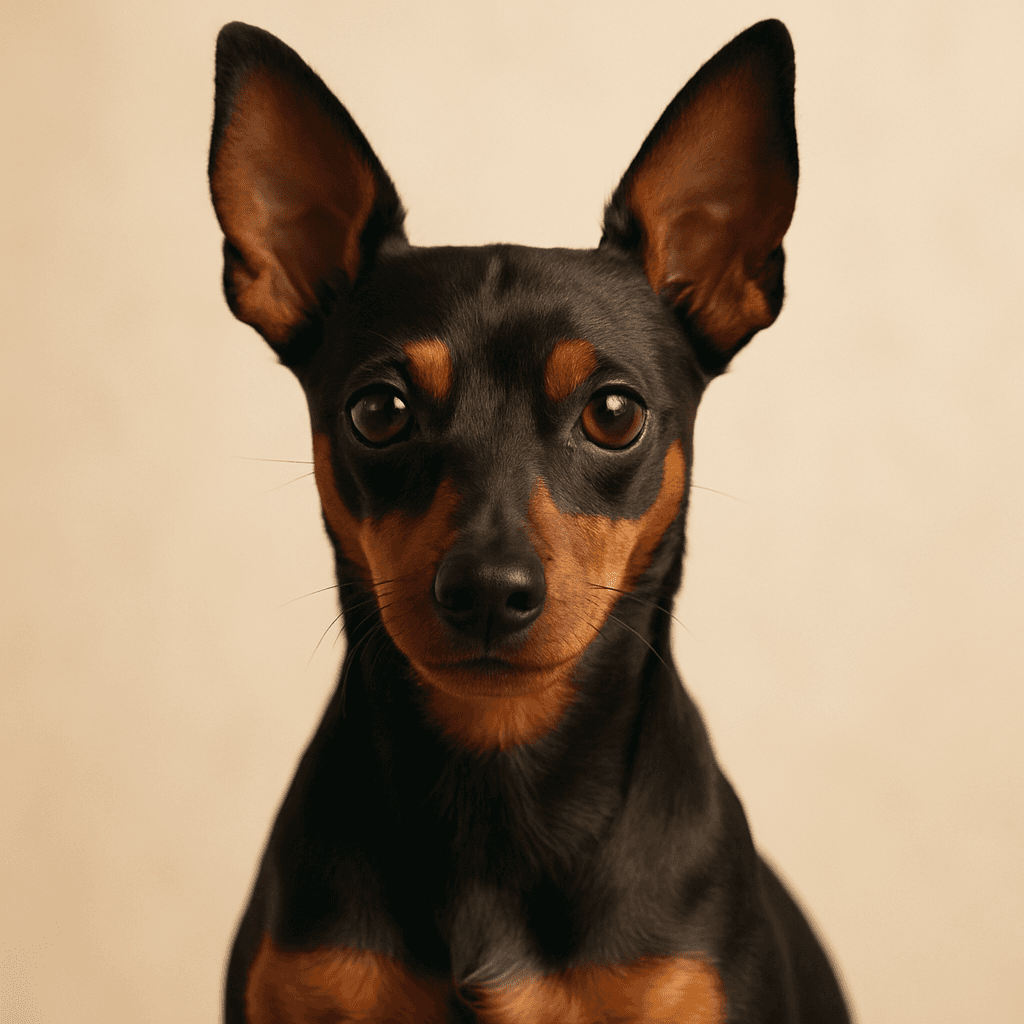
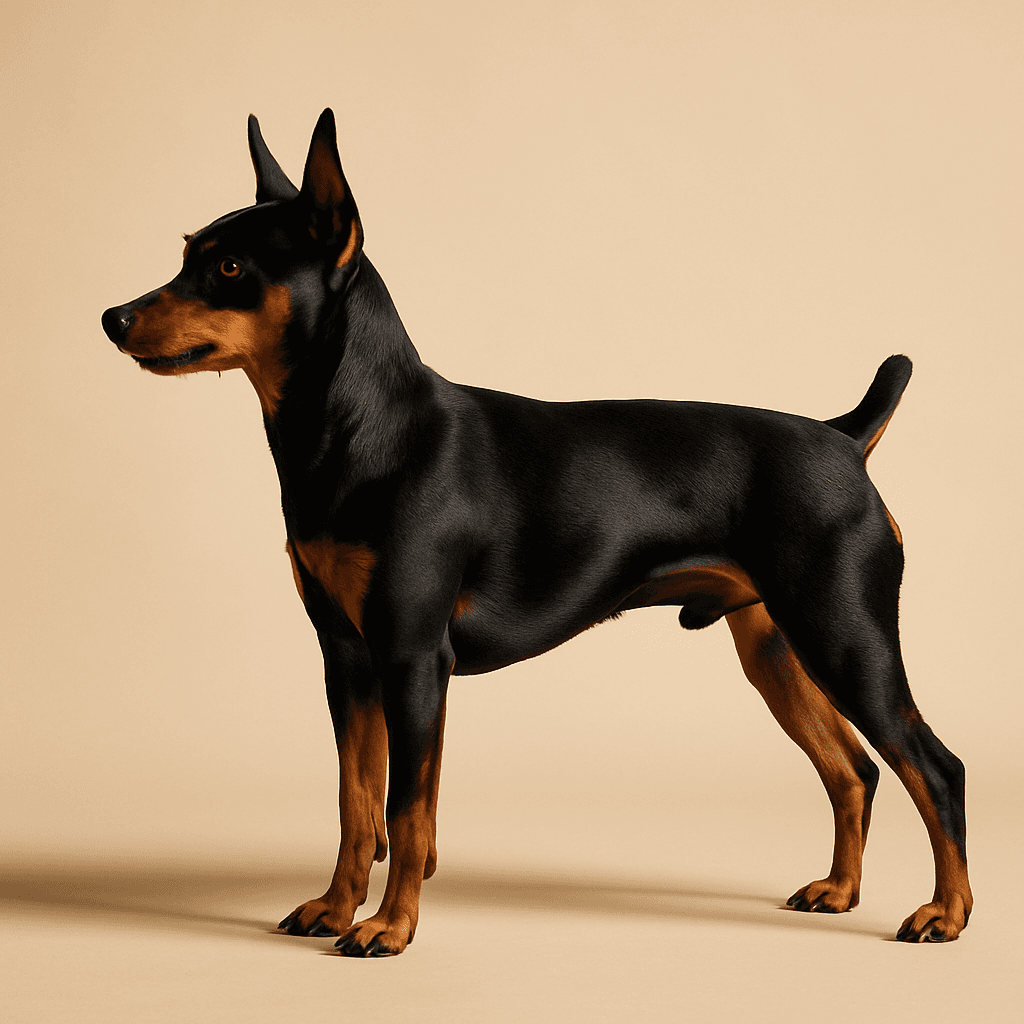
The Miniature Pinscher is a German toy breed of ancient origin, bold, fearless and energetic in a compact package. Known as the King of Toys, it has a distinctive high-stepping hackney gait. It is not a miniature Dobermann - the two breeds are unrelated in origin. Active and alert. KC Toy Group.
Quick Facts
- Size
- Small
- Weight
- 4–6 kg
- Lifespan
- 12–16 years
- Breed Group
- Toy
- Exercise
- 30–45 mins/day
- Activity Level
- High
- Grooming
- Low
- Monthly Cost
- £80–£130/month
- Temperament
- —
- Good with Children
- No
- Good with Dogs
- No
- Good for First Timers
- Yes
- Suits Flats
- Yes
Breed Overview
The Miniature Pinscher is a German toy breed of considerable antiquity, developed in Germany over several centuries from small terrier and spitz-type dogs, possibly including the German Pinscher and Italian Greyhound, to produce a compact, fearless and dynamic small dog used primarily for ratting in stables and homes. Despite a superficial physical similarity, the Miniature Pinscher is entirely unrelated to the Dobermann, which was developed in the late nineteenth century - the Min Pin existed centuries before the Dobermann was created, and the two breeds share no direct breeding connection. The Miniature Pinscher was first shown in Germany in the 1880s and is registered by the Kennel Club in the Toy Group.
The breed is small, compact and elegantly built with a short, hard, smooth coat, erect ears and the distinctive high-stepping hackney gait that is unique to the breed and one of its most immediately recognisable characteristics. The hackney gait - a high lift of the forelegs in movement - is a breed hallmark and a distinct feature in the show ring. Coat colours include red, black and rust, and chocolate and rust. Adults typically stand 25 to 30 centimetres at the shoulder and weigh 4 to 5 kilograms.
The character is bold, fearless, assertive and energetic - earning the breed its self-styled title of King of Toys. The Miniature Pinscher does not behave as a small dog in any conventional sense; it is confident, curious, determined and possessed of a self-assurance that can surprise owners accustomed to more deferential toy breeds. It is devoted and affectionate with its own family but can be reserved with strangers, alert and vocal as a watchdog, and persistent in pursuing whatever it has decided to investigate.
The prey drive is genuine and the breed is an accomplished escape artist - small enough to fit through gaps that larger dogs cannot and motivated enough to find them. Secure fencing and vigilance in the environment are essential. Off-lead recall requires dedicated training as the hunting instinct can override commands when the Min Pin is engaged with something interesting.
Training is entertaining but requires patience and consistency. The breed is intelligent and learns quickly but is not naturally biddable - it thinks for itself and finds repetitive training tedious. Short, positive, varied sessions with high-value rewards produce far better results than formal drill.
Health considerations include Legg-Calve-Perthes Disease, a condition affecting the hip joint documented in the breed. Patellar Luxation is a concern in all toy breeds and assessment of both parents is advisable. Progressive Retinal Atrophy has been documented.
Purchase prices from KC-registered, health-tested breeders range from £800 to £1,500. Monthly running costs average £55 to £100. The Miniature Pinscher Club is the primary resource for breed information, health testing guidance, responsible breeders and rescue contact.
Temperament & Personality
Bold, fearless and assertive - a large dog personality in a very small body. Alert, curious and energetic. Devoted to its own family but can be reserved with strangers. A natural watchdog with a loud and persistent bark. Playful and entertaining with people who appreciate its character. Strong prey drive and very determined.
Training
Intelligent and quick to learn but independently-minded with terrier-like determination. Responds well to positive reinforcement and short, engaging training sessions. The breed has a short attention span for repetitive work. Early socialisation with people, children and other animals is important. Recall training requires particular effort.
Exercise Needs
Energetic and active despite small size - needs 45 to 60 minutes of vigorous exercise daily. The breed has a strong prey drive and recall can be unreliable, making off-lead exercise in secure areas important. Mental stimulation through training and games is essential to prevent boredom and destructive behaviour.
Health & Vet Costs
Legg-Calve-Perthes Disease is documented in the breed and radiographic assessment is recommended. Patellar Luxation is a common concern in toy breeds and assessment of both parents is advisable. Progressive Retinal Atrophy has been documented. The Miniature Pinscher Club maintains health testing guidance.
Protect your Miniature Pinscher with the right insurance
Vet costs are rising. Lifetime cover means long-term conditions stay covered for life -- not just 12 months.
Feeding & Nutrition
Feed a high-quality complete food for a small active breed. Dental health is a consideration in small breeds. The Min Pin is energetic and requires appropriate calorie provision. Two small meals daily. Monitor weight.
Feeding your Miniature Pinscher
How much to feed, which food types suit this breed, and what to avoid.
Grooming & Care
The short, smooth, tight coat is minimal maintenance - a weekly wipe-down or brief brush is sufficient. Low shedding. Nails require regular trimming. Ears should be checked periodically. This is one of the lowest-maintenance coats in the toy group.
Costs of Ownership
Purchase price from a KC-registered, health-tested breeder: £800 to £1,500. Monthly running costs: £55 to £100.
Is a Miniature Pinscher Right for You?
Suits active owners who appreciate a big personality in a small body. Good with older children but too assertive and energetic for very young ones. Can be strong-willed and determined. Not suitable for owners wanting a quiet lap dog. Secure fencing and vigilance are essential given the escapology tendency.
Related Guides
Free newsletter
Get the weekly guide for UK dog owners
Breed spotlights, training tips and health advice delivered every week.