Morkie
Complete UK breed guide
Quick answer
The Morkie is a crossbreed from a Maltese and Yorkshire Terrier, producing a very small, lively and low-shedding companion. Popular for its portable size and coat type. Health testing of both parents is important given the conditions prevalent in each parent breed. Not KC registered.
Quick Facts
- Size
- Small
- Weight
- 4–8 kg
- Lifespan
- 12–15 years
- Exercise
- 20–30 mins/day
- Activity Level
- Moderate
- Grooming
- High
- Monthly Cost
- £80–£130/month
- Temperament
- —
- Good with Children
- No
- Good with Dogs
- No
- Good for First Timers
- Yes
- Suits Flats
- Yes
Breed Overview
The Morkie is a crossbreed produced from a Maltese and a Yorkshire Terrier, combining two of the most popular toy breeds in the world into a very small, lively and typically low-shedding companion. The cross emerged in North America in the 1990s and became increasingly popular in the United Kingdom from the 2010s onwards, driven by the appeal of the small size, relatively low shedding coat and the combination of the Maltese's gentle sociability with the Yorkshire Terrier's spirited personality. The crossbreed is not recognised by the Kennel Club and has no formal breed standard, breed club or mandatory health testing programme.
The Maltese is one of the most ancient of all European toy breeds, a gentle, white, silky-coated lap dog with a long history of companion status across the Mediterranean. The Yorkshire Terrier is a Victorian British working terrier developed in the textile mills of Yorkshire from ratting terriers and subsequently miniaturised into a fashionable companion. The combination of these two backgrounds produces a very small dog that can vary considerably in character - from the gentle and sociable Maltese end of the spectrum to the spirited, determined and assertive Yorkshire Terrier end.
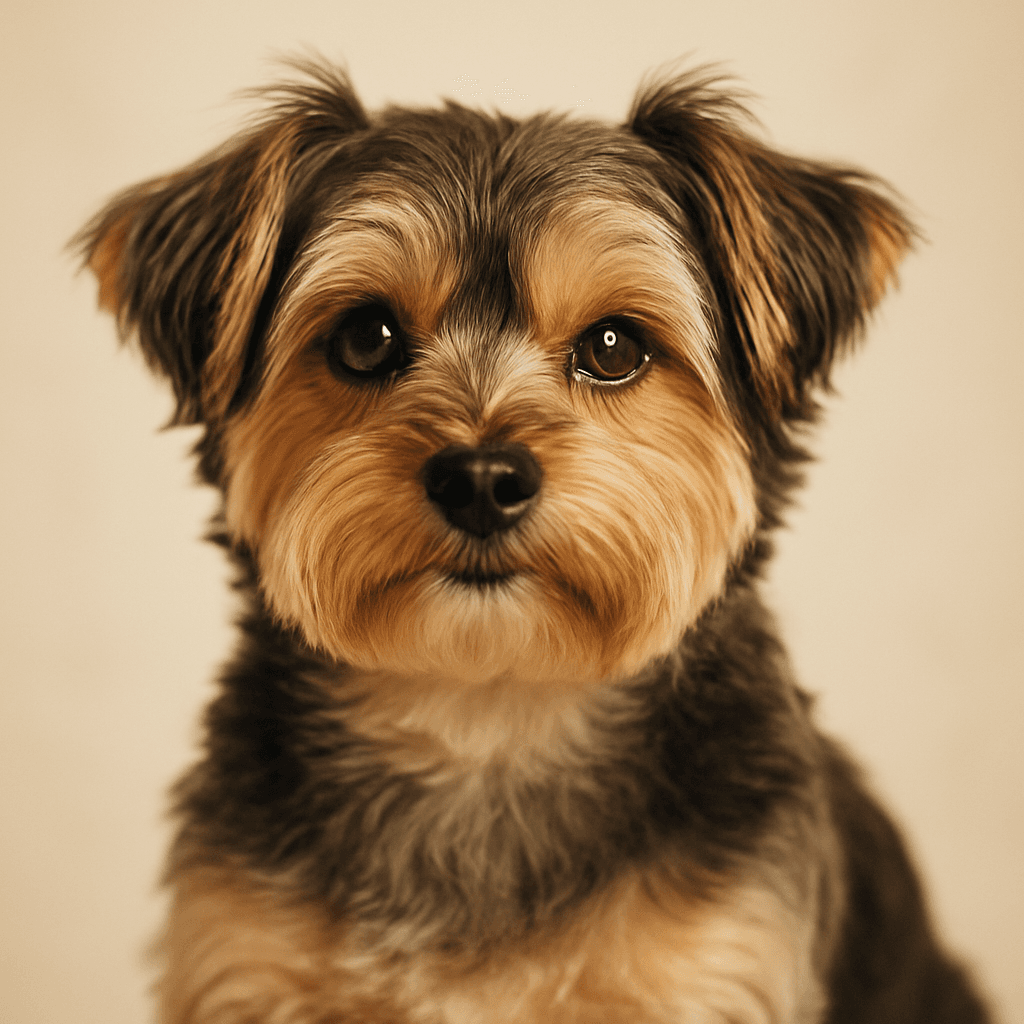
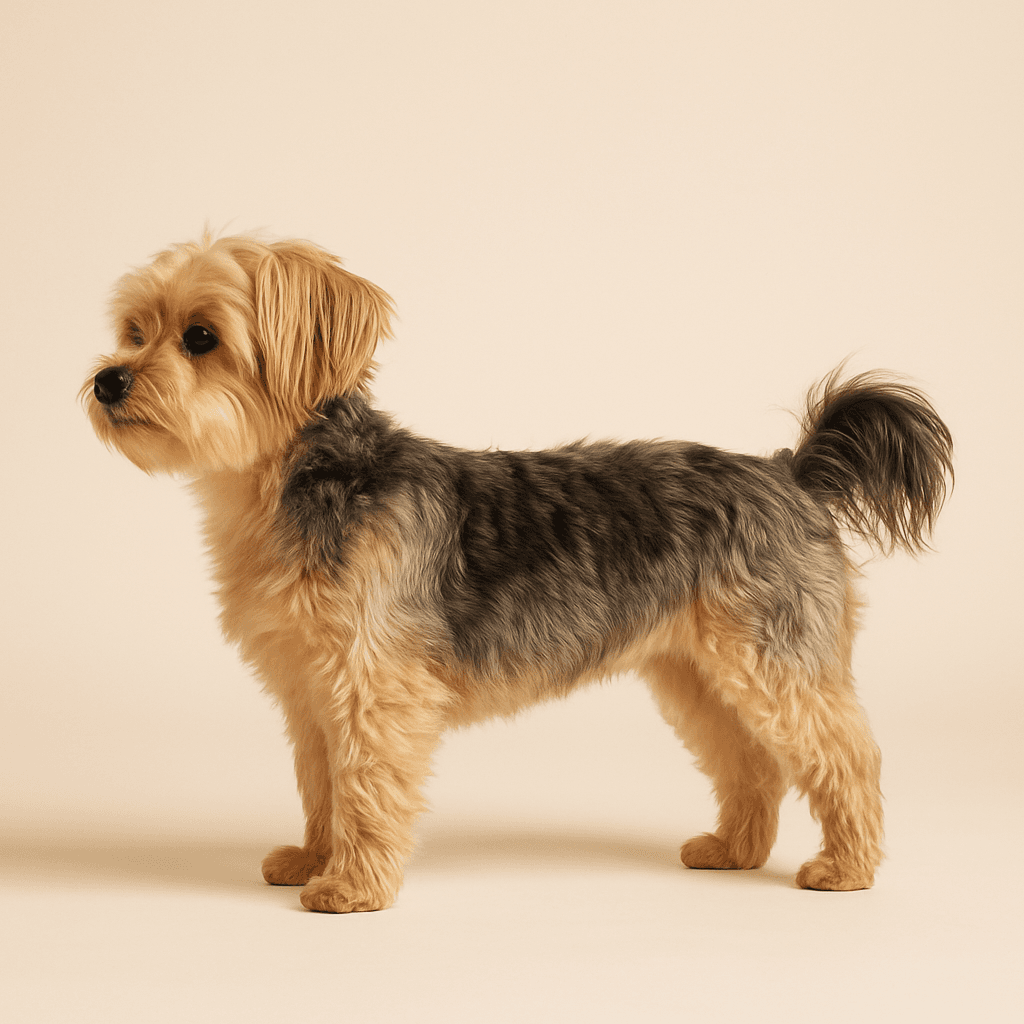
Appearance varies between individuals. Coat type can range from the long, silky and flowing Maltese coat to the finer, silkier Yorkshire Terrier type. Coat colour varies and may include the Yorkshire Terrier's characteristic black and gold or tan markings, the Maltese's pure white, or various combinations. Adults typically weigh 3 to 7 kilograms.
The character is typically lively, affectionate and devoted to its own household. The breed tends to bond closely with one or two people, is alert and vocal, and has the natural watchdog instinct that both parent breeds share. The Yorkshire Terrier influence may surface as a determined, sometimes stubborn streak that requires consistent handling. The overall result is generally an engaging and affectionate small companion.
The very small size creates practical considerations. Morkies are fragile and can be injured in rough play or by accidental drops - households with very young children require careful management. Hypoglycaemia is a risk in tiny puppies of very small breeds. Dental disease is near-universal in small breeds without dedicated preventive care from puppyhood.
Health testing is important with this cross. Patellar Luxation is a concern in both parent breeds and assessment of breeding stock is essential. Progressive Retinal Atrophy is documented in Yorkshire Terriers and eye testing of the Yorkshire Terrier parent is recommended. No formal crossbreed health testing scheme exists and prospective buyers must verify individual breeder testing.
Purchase prices range from £500 to £1,500. Monthly running costs average £50 to £90. Yorkshire Terrier rescue, Maltese rescue and general small breed and rescue organisations are the most useful contacts for those considering rehoming.
Temperament & Personality
Lively, affectionate and devoted. Typically bonds strongly with one or two people. Alert and vocal - a natural watchdog in a very small body. The Yorkshire Terrier influence brings spirit and determination; the Maltese contributes gentleness and sociability. Generally good with people who handle it gently.
Training
Intelligent and responsive with the Yorkshire Terrier's alertness and the Maltese's willingness to engage. Responds well to positive reinforcement and short sessions. Can be prone to small-dog syndrome if boundaries are inconsistently enforced. Early socialisation is important. The Yorkshire Terrier influence may bring a stubborn streak.
Exercise Needs
Low exercise needs - 20 to 30 minutes daily is typically sufficient. The breed adapts well to less active owners. Mental stimulation through training and play is valuable. The small size means indoor games count meaningfully toward daily activity.
Health & Vet Costs
Hypoglycaemia is a risk in very small breeds and tiny puppies. Patellar Luxation is a concern in both parent breeds and should be assessed. Progressive Retinal Atrophy is documented in Yorkshire Terriers and eye testing is recommended. Dental disease is near-universal in small breeds without preventive care. No formal crossbreed testing scheme exists.
Protect your Morkie with the right insurance
Vet costs are rising. Lifetime cover means long-term conditions stay covered for life -- not just 12 months.
Feeding & Nutrition
Feed a high-quality complete food designed for very small or toy breeds. Dental health is a particular concern in very small dogs. Small stomach capacity means portion discipline is important. Two small meals daily. Monitor weight.
Feeding your Morkie
How much to feed, which food types suit this breed, and what to avoid.
Grooming & Care
Coat type varies between individuals depending on the parent influence - from the long silky Maltese type to the finer Yorkshire Terrier type. All require regular brushing to prevent tangling and professional grooming every 6 to 8 weeks. Eyes should be kept clean to prevent tear staining.
Costs of Ownership
Purchase price: £500 to £1,500. No formal breed standard or mandatory health testing scheme exists. Monthly running costs: £50 to £90. Regular professional grooming adds to costs.
Is a Morkie Right for You?
Suits quieter households, older owners or those wanting a tiny companion that adapts to smaller living spaces. Not suited to households with very young children given the fragile build. Adaptable and affectionate but requires careful handling. The coat demands regular grooming commitment.
Related Guides
Free newsletter
Get the weekly guide for UK dog owners
Breed spotlights, training tips and health advice delivered every week.