Mudi
Complete UK breed guide
Quick answer
The Mudi is a rare Hungarian herding and working dog developed in the nineteenth century. Highly intelligent, energetic and exceptionally trainable - one of the most capable of all herding breeds. The breed excels in dog sports. Not KC registered in the UK. Suits experienced active owners only.
Quick Facts
- Size
- Medium
- Weight
- 8–13 kg
- Lifespan
- 13–14 years
- Breed Group
- Pastoral
- Exercise
- 60–75 mins/day
- Activity Level
- High
- Grooming
- Moderate
- Monthly Cost
- £90–£150/month
- Temperament
- —
- Good with Children
- Yes
- Good with Dogs
- Yes
- Good for First Timers
- No
- Suits Flats
- No
Breed Overview
The Mudi is one of Hungary's three native herding and livestock-working breeds, alongside the Puli and Komondor, and is the rarest and most versatile of the three, a medium-sized herding dog of considerable intelligence and capability developed in nineteenth-century Hungary through the natural working selection of farm and herding dogs in the region. The breed was first documented and described scientifically in the 1930s by Dr Dezso Fenyes, who gave it its name, but the type had been working in Hungarian farming communities for considerably longer. The Mudi is recognised by the FCI and by kennel clubs in several countries but has not been formally registered by the Kennel Club in the United Kingdom, where it remains extremely rare and is found almost exclusively with enthusiasts who have imported breeding stock.
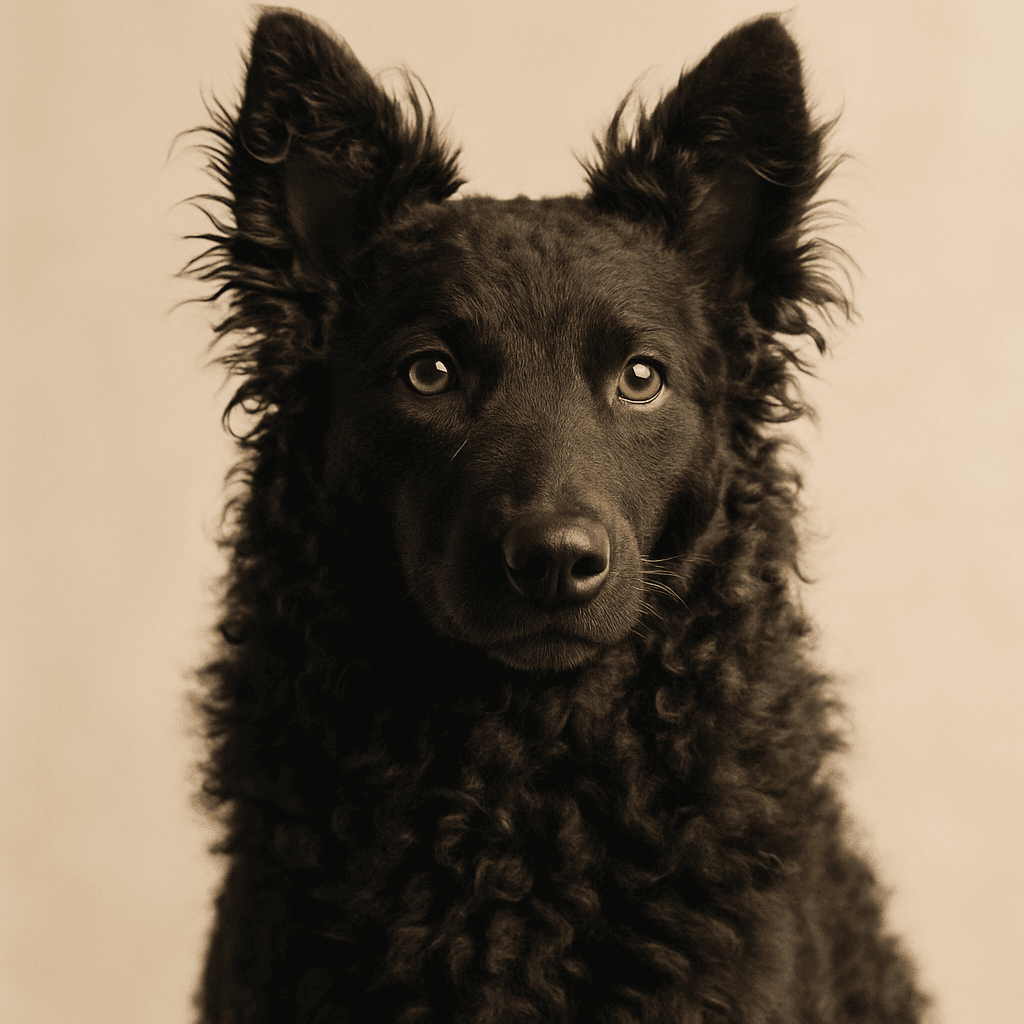
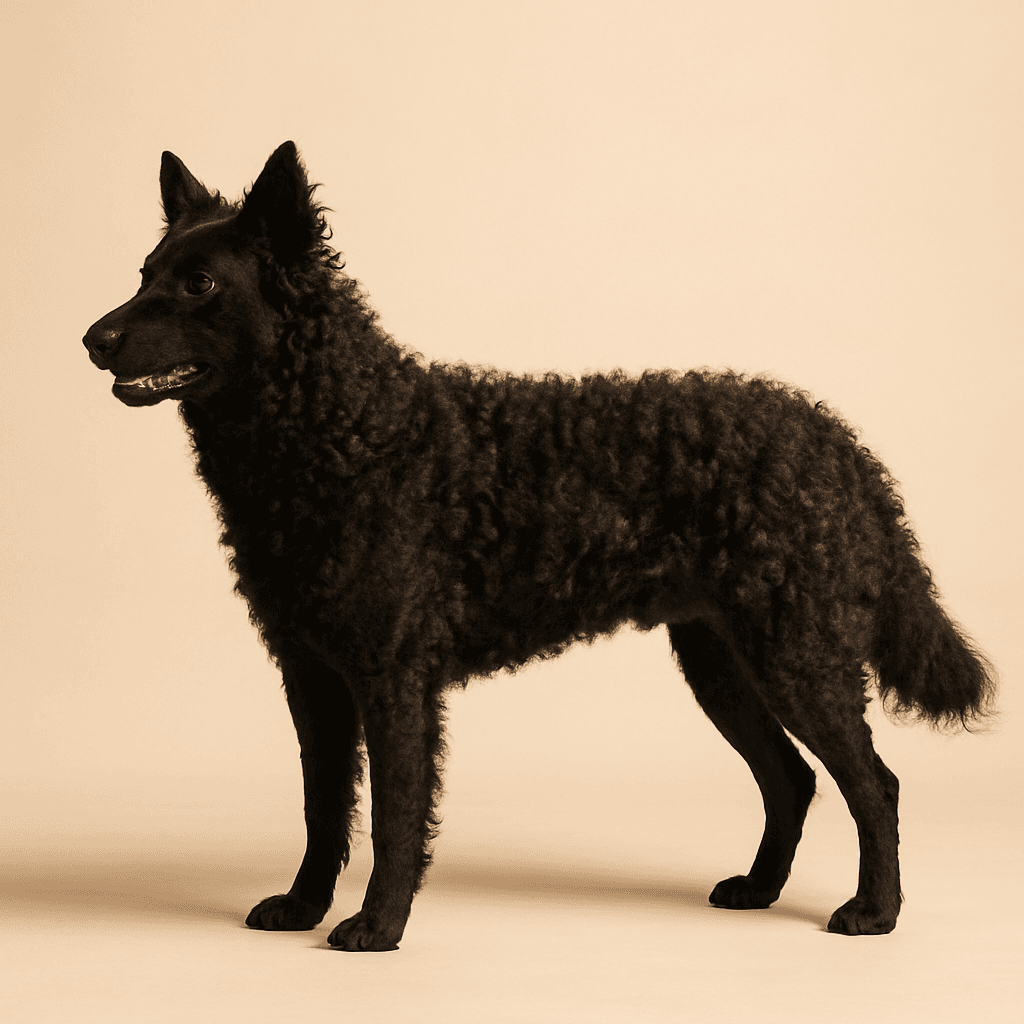
The Mudi is a medium-sized, well-proportioned and athletic herding dog with a distinctive curly or wavy coat that sets it apart from the more heavily corded Hungarian breeds. The coat comes in a wide range of colours including black, white, brown, yellow, grey, merle and a striking colour called cifra unique to the breed. The ears are erect and pointed. Adults typically stand 38 to 47 centimetres at the shoulder and weigh 8 to 13 kilograms.
The character is perhaps the breed's most remarkable quality. The Mudi is exceptionally intelligent, alert, energetic and deeply engaged with its handler - forming an unusually close and responsive bond that makes it one of the most rewarding of all breeds to train. It is considered by those with experience of multiple herding breeds to be among the most naturally trainable dogs in existence. It learns with extraordinary speed, retains behaviours reliably and is capable of performing complex tasks with minimal repetition.
This exceptional intelligence is not without its demands. The Mudi requires constant mental challenge and physical engagement - it becomes destructive, anxious or inventively problematic when bored or under-stimulated. The breed is not appropriate for owners who cannot commit to substantial daily exercise and regular training or dog sports participation.
The breed excels across a wide range of activities including herding, agility, flyball, obedience, scent work and search and rescue. Its versatility in working contexts is matched by its enthusiasm for structured sport. Owners who engage with this working capability report a profoundly rewarding partnership.
Health information is less comprehensive than for more numerous breeds. Hip Dysplasia has been documented and testing is recommended. Epilepsy has been noted in some lines. Prospective buyers should insist on health screening documentation and should research individual breeders carefully given the rarity of the breed in the UK.
Purchase prices range from £1,000 to £2,000 or more and sourcing a well-bred puppy may require considerable patience and research, potentially including sourcing from continental European breeders with established working lines. Monthly running costs average £80 to £140.
Temperament & Personality
Highly intelligent, alert, energetic and deeply engaged with its handler. Forms an exceptionally close bond with its owner. Can be reserved with strangers. Active, lively and curious with an intensity of focus that reflects the working herding dog background. Not a relaxed or low-key companion - a working dog in every sense.
Training
Exceptional trainability is a defining characteristic of the Mudi - considered one of the most capable and responsive of all herding breeds in training terms. Responds brilliantly to positive reward-based methods. Learns extremely quickly and needs constant new challenges to remain engaged. Boredom produces problem behaviour immediately.
Exercise Needs
High exercise requirements - at least 90 minutes of vigorous activity daily, combining physical exercise with mental challenge. The breed excels at herding, agility, flyball and obedience. An under-exercised Mudi becomes destructive and difficult. This is a working breed that requires a working outlet.
Health & Vet Costs
As a rare breed with a limited gene pool, health data is less comprehensive than for more populous breeds. Hip Dysplasia has been documented and testing is recommended. Epilepsy has been noted in some lines. Responsible breeders conduct health screening - prospective buyers should request documentation.
Protect your Mudi with the right insurance
Vet costs are rising. Lifetime cover means long-term conditions stay covered for life -- not just 12 months.
Feeding & Nutrition
Feed a high-quality complete food for an active medium breed. The Mudi is lean and athletic and should not become overweight. Two meals daily. Fresh water always available. Adjust quantities to workload.
Feeding your Mudi
How much to feed, which food types suit this breed, and what to avoid.
Grooming & Care
The curly or wavy coat is relatively low-maintenance compared to some herding breeds. Regular brushing prevents matting, particularly in the curly-coated individuals. The coat does not require professional trimming. Ears should be checked periodically.
Costs of Ownership
Purchase price: £1,000 to £2,000 or more given the rarity of the breed in the UK. Sourcing may require research and possibly importing from continental Europe. Monthly running costs: £80 to £140.
Is a Mudi Right for You?
Suited exclusively to experienced, active owners who can provide substantial daily exercise and meaningful mental work. Not suitable for first-time dog owners. Thrives with a job or dog sport. The high intelligence means boredom produces problem behaviour quickly. Adaptable to rural or suburban life if exercise needs are met.
Related Guides
Free newsletter
Get the weekly guide for UK dog owners
Breed spotlights, training tips and health advice delivered every week.