Newfoundland
Complete UK breed guide
Quick answer
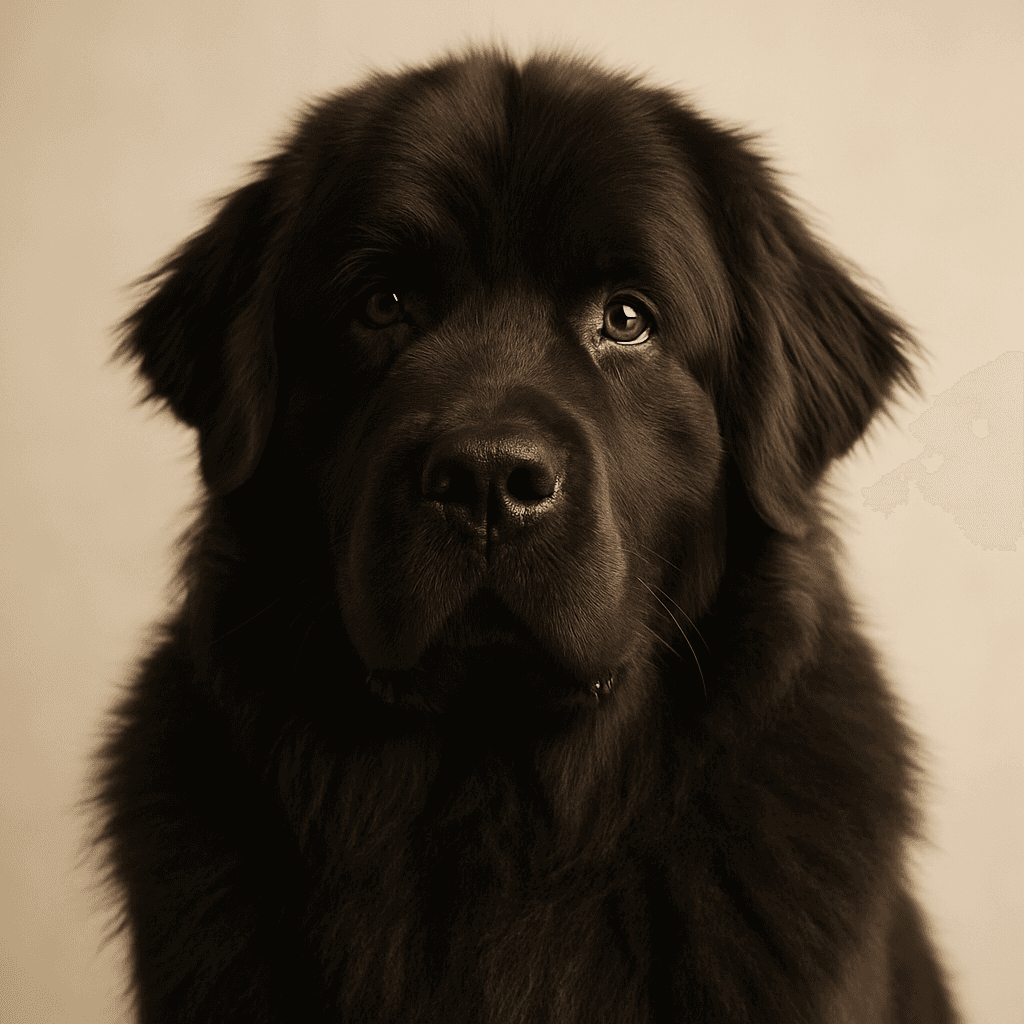
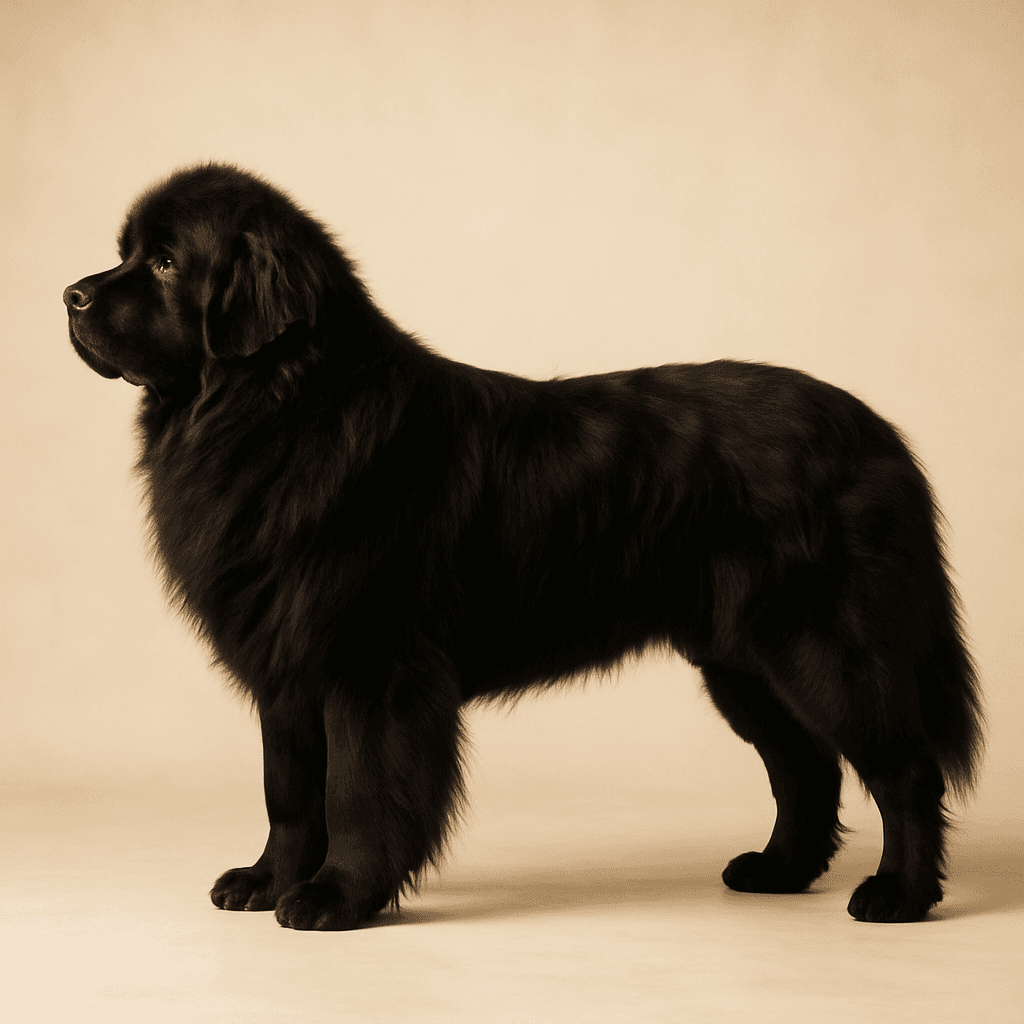
The Newfoundland is a giant Canadian breed originally used by fishermen for water rescue and hauling nets. Gentle, devoted and extraordinarily patient with children - widely regarded as one of the most family-friendly of all giant breeds. Requires space and moderate exercise. Heavy grooming commitment. KC Working Group.
Quick Facts
- Size
- Giant
- Weight
- 54–68 kg
- Lifespan
- 8–10 years
- Breed Group
- Working
- Exercise
- 60–75 mins/day
- Activity Level
- Moderate
- Grooming
- High
- Monthly Cost
- £170–£280/month
- Temperament
- —
- Good with Children
- Yes
- Good with Dogs
- Yes
- Good for First Timers
- Yes
- Suits Flats
- No
Breed Overview
The Newfoundland is one of the most beloved and universally admired of all dog breeds, a Canadian giant of exceptional gentleness and capability originating on the island of Newfoundland in eastern Canada, where it was used for centuries by fishermen and sailors as a water rescue dog, net hauler and general working animal in the demanding conditions of the North Atlantic. The breed's extraordinary swimming ability, facilitated by its webbed feet, powerful build and water-resistant double coat, made it uniquely suited to maritime rescue work, and numerous documented accounts exist of Newfoundlands saving drowning individuals from shipwrecks and coastal accidents. The breed was brought to Britain by returning fishermen and sailors in the eighteenth and nineteenth centuries and rapidly became fashionable - Queen Victoria owned several. It is registered by the Kennel Club in the Working Group.
The Newfoundland is a massive, powerfully built and genuinely majestic dog. The double coat is thick, flat and water-resistant, coming in black, brown, grey or the distinctive Landseer pattern of black and white named after the Victorian painter Sir Edwin Landseer, who frequently depicted the breed in heroic maritime scenes. The head is broad and the expression is famously gentle and intelligent. Adults typically stand 66 to 71 centimetres at the shoulder and weigh 45 to 68 kilograms.
The character is exceptional by any measure. The Newfoundland is gentle, patient, calm and deeply devoted to its family - but what truly distinguishes the breed is its remarkable tolerance and affection for children. It is consistently cited by experienced canine professionals as one of the most reliably safe and patient of all large breeds with children, combining size and strength with an instinctive gentleness and protectiveness. This quality, combined with the breed's natural loyalty and steady temperament, has made it one of the most enduringly loved of all family companion breeds.
Despite the gentle character, the enormous size creates practical demands. A Newfoundland that has not been trained in basic leash manners and impulse control from puppyhood is a significant physical challenge for any owner. The breed is intelligent and responds well to positive, patient training methods - but training must begin early and be maintained consistently. The drool and the coat are genuine lifestyle factors that prospective owners should assess honestly before committing.
Water remains a natural element for the Newfoundland and the breed is typically enthusiastic about swimming, which provides excellent low-impact exercise appropriate for the giant build. Water rescue training and carting are activities that channel the breed's heritage and provide genuine enrichment.
Health considerations are important. Hip and Elbow Dysplasia testing is mandatory for responsible breeders. Subvalvular Aortic Stenosis (SAS) is a serious inherited heart condition documented in the breed and cardiac screening of breeding stock is strongly recommended. Cystinuria has a DNA test available. Bloat is a risk in deep-chested giant breeds.
Purchase prices from KC-registered, health-tested breeders range from £1,500 to £3,000. Monthly running costs are substantial: £150 to £250. The Newfoundland Club and the British Newfoundland Club are the primary resources for breed information, health testing, responsible breeders and rescue contact.
Temperament & Personality
Gentle, patient, calm and deeply devoted to its family. Extraordinarily good with children - patient, tolerant and instinctively protective. Generally sociable and easy-going with other dogs. The classic gentle giant. Alert but not sharp. One of the most reliably benign and family-friendly of all large breeds.
Training
Gentle, intelligent and generally willing to please. Responds well to positive reward-based training. The giant size makes early leash manners and impulse control training essential. The Newfoundland is patient and steady in training. Water rescue training and carting are natural activities that channel the breed's working heritage.
Exercise Needs
Moderate exercise needs - 60 to 90 minutes daily for an adult. Avoid over-exercising puppies before two years. The Newfoundland loves water and swimming is excellent exercise. Heavy coats mean the breed is susceptible to overheating and exercise in hot weather should be limited.
Health & Vet Costs
Hip and Elbow Dysplasia testing is mandatory for KC Assured Breeders. Subvalvular Aortic Stenosis (SAS), a serious inherited heart condition, is documented and cardiac testing of breeding stock is strongly recommended. Cystinuria has a DNA test available. Bloat is a risk in giant breeds. The Newfoundland Club maintains comprehensive health testing guidance.
Protect your Newfoundland with the right insurance
Vet costs are rising. Lifetime cover means long-term conditions stay covered for life -- not just 12 months.
Feeding & Nutrition
Feed a high-quality large or giant breed complete food with controlled growth support for puppies. Two or three meals daily to reduce bloat risk. Monitor weight carefully - excess weight compounds joint problems in giant breeds. Fresh water always available and regularly replenished.
Feeding your Newfoundland
How much to feed, which food types suit this breed, and what to avoid.
Grooming & Care
The thick, water-resistant double coat is a significant grooming commitment. Thorough brushing at least three times weekly, daily during shedding seasons, to prevent matting. Professional grooming four times yearly is advisable. Drooling is significant and ongoing.
Costs of Ownership
Purchase price from a KC-registered, health-tested breeder: £1,500 to £3,000. Monthly running costs for a giant breed are substantial: £150 to £250, covering large food quantities, higher veterinary costs and professional grooming. Pet insurance premiums are significantly higher for giant breeds.
Is a Newfoundland Right for You?
Best suited to families with space - a large home with access to outdoor space is ideal. Exceptional with children, widely regarded as one of the safest family giant breeds. Good with other dogs. Requires significant grooming commitment. Drool and shedding are significant lifestyle factors.
Related Guides
Free newsletter
Get the weekly guide for UK dog owners
Breed spotlights, training tips and health advice delivered every week.