Norwich Terrier
Complete UK breed guide
Quick answer
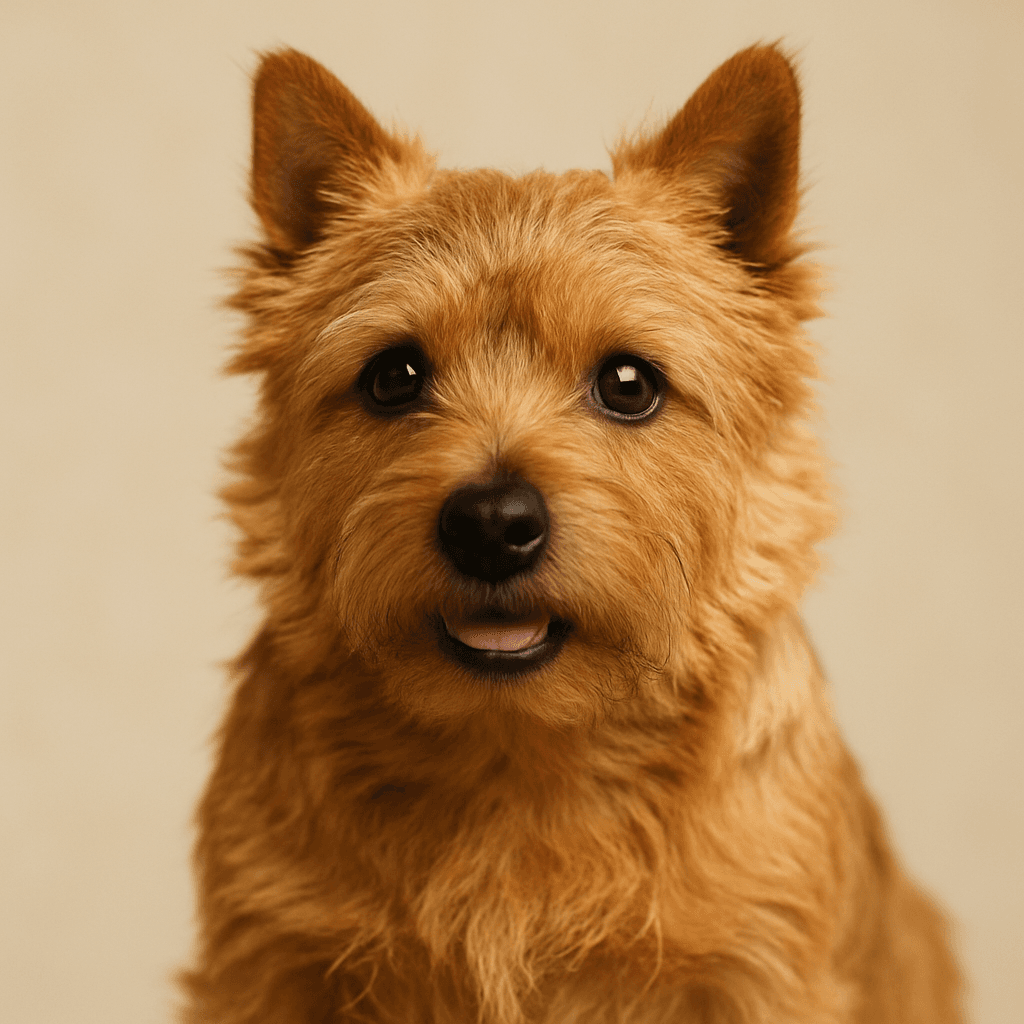
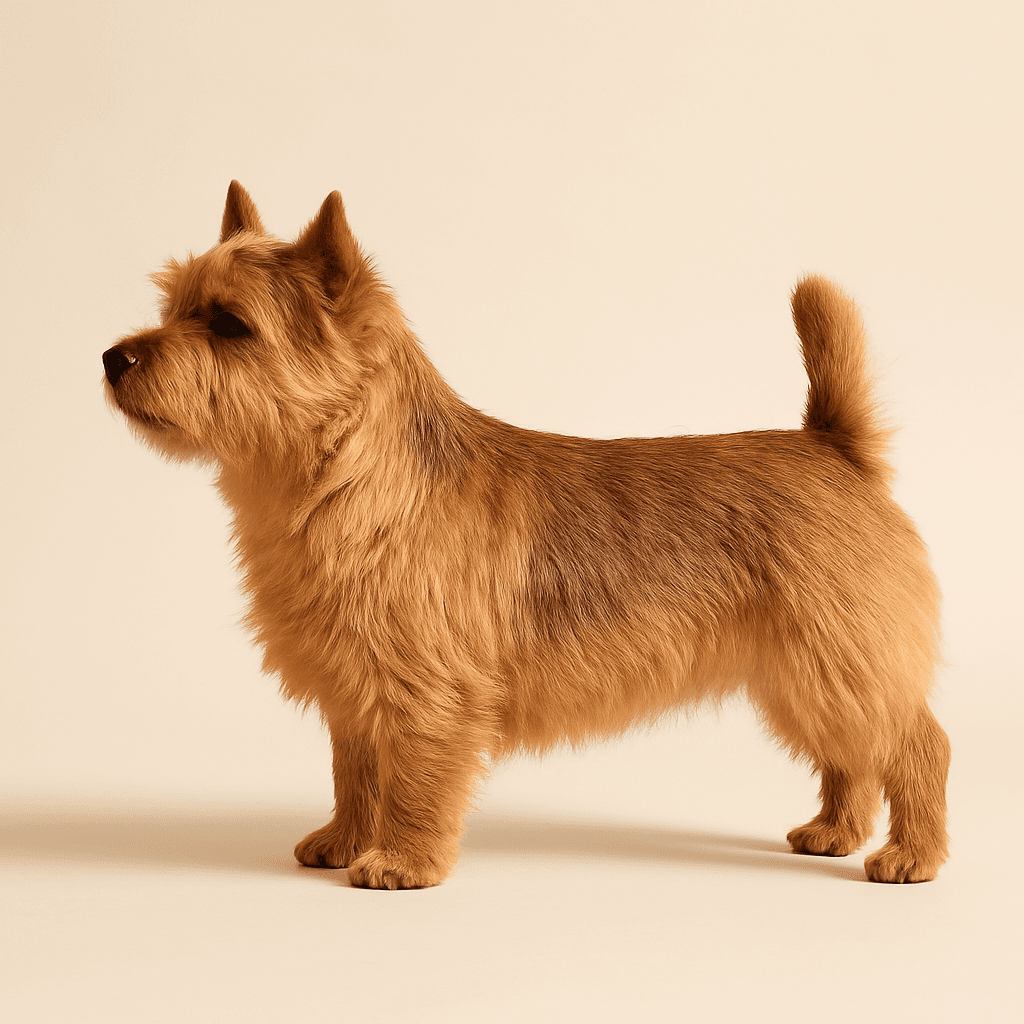
The Norwich Terrier is one of the world's smallest working terriers, a British breed distinguished from the Norfolk Terrier by its fully erect prick ears. Hardy, affectionate and spirited. Good with children and more sociable than many terrier breeds. Wiry coat requires hand-stripping. KC Terrier Group.
Quick Facts
- Size
- Small
- Weight
- 5–6 kg
- Lifespan
- 12–15 years
- Breed Group
- Terrier
- Exercise
- 30–45 mins/day
- Activity Level
- Moderate
- Grooming
- Moderate
- Monthly Cost
- £80–£130/month
- Temperament
- —
- Good with Children
- Yes
- Good with Dogs
- Yes
- Good for First Timers
- Yes
- Suits Flats
- Yes
Breed Overview
The Norwich Terrier is one of the world's smallest working terriers, a compact, hardy and spirited British breed originating in East Anglia in the nineteenth and early twentieth centuries alongside its close relative, the Norfolk Terrier. The two breeds share a common origin and were shown together under the Norwich Terrier name until 1964, when the Kennel Club granted them separate breed status on the basis of ear type: the Norwich Terrier has fully erect prick ears, while the Norfolk Terrier has dropped ears that fold forward against the head. The Norwich Terrier is registered by the Kennel Club in the Terrier Group.
The Norwich Terrier is a compact, low-set and sturdy small terrier with a hard, wiry double coat in red, red grizzle, black and tan, or grizzle and tan. The prick ears give the face a bright, alert and somewhat foxy expression that is immediately characteristic of the breed. Adults typically stand around 25 to 26 centimetres at the shoulder and weigh 5 to 5.5 kilograms - small in stature but substantial in character.
The character is lively, bold and affectionate, with the happy and outgoing quality that the East Anglian terrier breeds share. The Norwich is devoted to its own family, good with children who handle dogs respectfully, and - unusually for the terrier group - generally sociable and tolerant with other dogs. It is alert and vocal, a natural watchdog in a very small body, and playful and energetic in daily life. The working terrier heritage is present in the prey drive and the fundamental self-reliance of the breed, but these qualities are expressed in a warm and sociable package.
Training is enjoyable with the Norwich Terrier. The breed is intelligent and responsive to positive reinforcement, benefiting from short, engaging sessions rather than repetitive drill. Early socialisation is straightforward given the naturally outgoing character. Recall requires careful training given the prey drive - small pets in the household also need careful management given the ratting instinct.
A significant health consideration specific to the Norwich Terrier is Upper Airway Syndrome, a condition affecting the upper respiratory tract that has been identified as a breed health priority. The Norwich Terrier Club and its health committee actively monitor and research this condition, and prospective buyers should enquire about the respiratory health of both parents. Mitral Valve Disease and eye conditions are also documented.
Purchase prices from KC-registered, health-tested breeders range from £800 to £1,500. Monthly running costs average £55 to £95. The Norwich Terrier Club is the primary resource for breed information, health testing guidance, responsible breeders and rescue contact.
Temperament & Personality
Lively, bold and affectionate with a happy and engaging disposition. Devoted to its own family. Good with children and typically sociable with other dogs. Alert and vocal - a natural watchdog. Playful and energetic. The Norwich has the fundamental terrier spirit but expresses it with warmth and sociability.
Training
Intelligent and more sociable and responsive than some harder terrier types. Responds well to positive reinforcement and short, engaging sessions. The working terrier independence is present but the breed is manageable for owners who understand terrier character. Early socialisation is straightforward given the naturally outgoing disposition.
Exercise Needs
Needs around 45 to 60 minutes of daily exercise. Energetic for its size and enjoys off-lead running in secure areas. Mental stimulation through training and games is important. The breed benefits from activities that engage its natural curiosity and hunting instinct.
Health & Vet Costs
Upper Airway Syndrome has been documented in Norwich Terriers and is a breed health priority - breeding animals should be assessed and the breed health committee actively monitors this condition. Mitral Valve Disease is a concern in small breeds and heart testing is recommended. Eye conditions have been documented. The Norwich Terrier Club maintains health testing guidance.
Protect your Norwich Terrier with the right insurance
Vet costs are rising. Lifetime cover means long-term conditions stay covered for life -- not just 12 months.
Feeding & Nutrition
Feed a high-quality complete food for a small active breed. Portion control is important as the Norwich Terrier has a robust appetite for its size. Two small meals daily. Monitor weight.
Feeding your Norwich Terrier
How much to feed, which food types suit this breed, and what to avoid.
Grooming & Care
The hard, wiry double coat requires hand-stripping twice yearly to maintain correct texture and colour. Clipping softens the coat permanently. Regular brushing between strips prevents matting. Professional grooming by someone experienced with terrier coats is advisable if the owner does not strip themselves.
Costs of Ownership
Purchase price from a KC-registered, health-tested breeder: £800 to £1,500. Monthly running costs: £55 to £95. Hand-stripping costs should be factored in if done professionally.
Is a Norwich Terrier Right for You?
Suits active owners across a range of living situations including smaller homes. Good with children who handle dogs respectfully. More sociable with other dogs than many terrier breeds. Retains working terrier prey drive. An engaging, adaptable companion for owners who appreciate terrier character.
Related Guides
Free newsletter
Get the weekly guide for UK dog owners
Breed spotlights, training tips and health advice delivered every week.