Otterhound
Complete UK breed guide
Quick answer
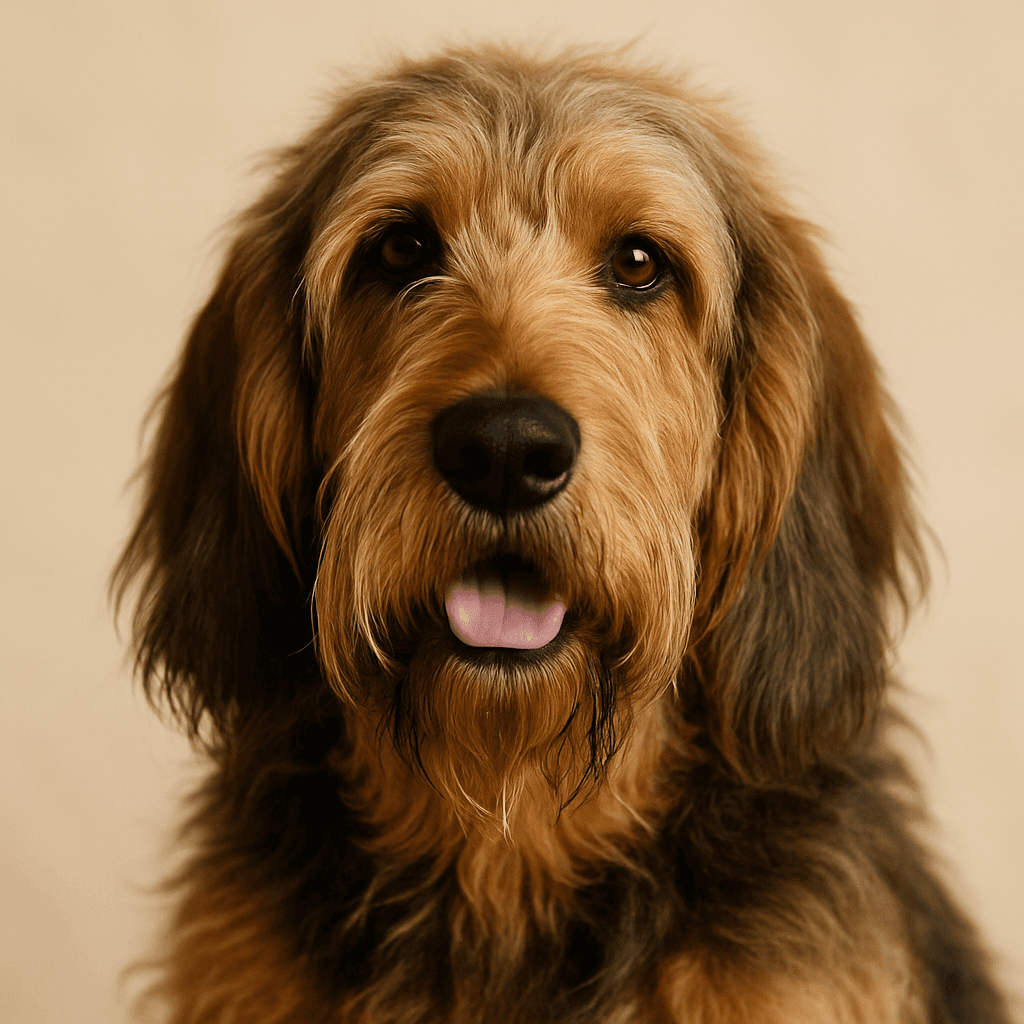
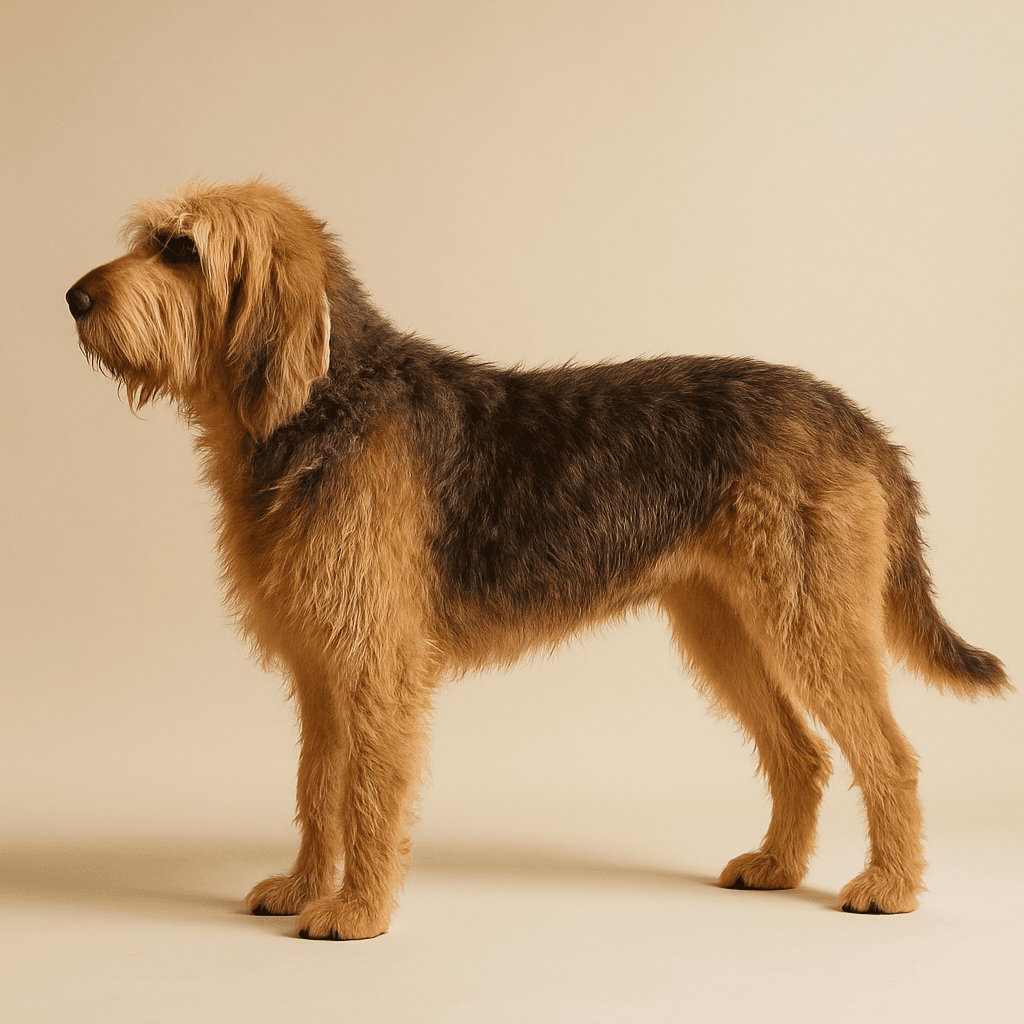
The Otterhound is a large, rare British scent hound developed to hunt otter in rivers and streams, with a distinctive rough shaggy double coat and webbed feet for swimming. One of the rarest breeds in the world. On the KC Vulnerable Native Breed list. Boisterous and affectionate. KC Hound Group.
Quick Facts
- Size
- Large
- Weight
- 30–52 kg
- Lifespan
- 10–13 years
- Breed Group
- Hound
- Exercise
- 75–90 mins/day
- Activity Level
- Moderate
- Grooming
- High
- Monthly Cost
- £130–£200/month
- Temperament
- —
- Good with Children
- Yes
- Good with Dogs
- Yes
- Good for First Timers
- No
- Suits Flats
- No
Breed Overview
The Otterhound is one of the rarest and most historically significant of all British dog breeds, a large, shaggy-coated scent hound developed over several centuries specifically for the demanding task of hunting otter in the rivers, streams and wetlands of the British Isles. Otter hunting was a country pursuit in Britain from medieval times until otters were granted legal protection in England and Wales in 1978, at which point the working role of the Otterhound disappeared almost overnight. The breed had been registered by the Kennel Club in the Hound Group but is now listed on the KC's Vulnerable Native Breeds register, with annual registrations typically numbering fewer than 100 individuals worldwide, making it one of the rarest dog breeds in the world.
The Otterhound was developed with specific physical attributes suited to its aquatic working role. The rough, dense and somewhat oily outer coat and thick undercoat provide waterproofing and insulation during sustained water work. The large, webbed feet provide propulsion in water and traction on slippery river banks. The large, well-developed nose with its characteristically long, deeply set nostrils is equipped for tracking scent through and across water, where scent behaves very differently than on land. The long, low-set ears help funnel scent toward the nose. The breed's deep, melodious voice was used by otter hunters to track the hound when it was working through dense waterside vegetation out of sight.
The Otterhound is a large, strongly built and somewhat loose-limbed dog with a distinctive rough and shaggy appearance. The coat is grizzle and tan, black and tan, or various grizzle patterns. The beard and moustache give the face an endearingly scruffy expression. Adults typically stand 60 to 69 centimetres at the shoulder and weigh 36 to 52 kilograms.
The character is boisterous, affectionate and good-natured, with the exuberant sociability of a pack hound combined with the independence and determination of a scent hound. The Otterhound is friendly with people, generally good with other dogs, devoted to its household and enthusiastic about almost everything - particularly water, interesting scents and food. It is not a breed that responds with the compliance of a gundog or herding breed; it is a hound that follows its nose and its instincts with considerable commitment.
Recall in open country is a genuine management challenge given the hunting drive, and off-lead exercise in unsecured areas requires careful consideration. The breed can be vocal and the deep hound bay carries considerable distance.
Health considerations include Hip and Elbow Dysplasia testing. Glanzmann's Thrombasthenia, a bleeding disorder documented in the breed, requires DNA testing of breeding stock.
Purchase prices from KC-registered breeders range from £1,000 to £2,000. Availability is extremely limited given the very low annual registration figures. Monthly running costs average £100 to £160. The Otterhound Club is the essential contact for breed information, health testing, responsible breeders and rescue enquiries.
Temperament & Personality
Boisterous, affectionate and good-natured with a clownish and exuberant quality that makes it charming company. Friendly with people and generally good with other dogs. Devoted to its household but with the independent character of a working pack hound. Enthusiastic about everything, including water, mud and following interesting scents.
Training
Intelligent but independently-minded - a scent hound that was bred to follow a trail across country with great determination and without instruction. Responds to positive reinforcement but is not naturally biddable. Recall in open ground is a major training challenge given the hunting drive. Early socialisation is important.
Exercise Needs
Needs at least 60 to 90 minutes of vigorous exercise daily. The breed was developed for endurance work in water and across rough ground and has genuine stamina. Swimming is natural and excellent exercise. Off-lead exercise in secure areas is important given the strong hunting drive and independence.
Health & Vet Costs
Hip and Elbow Dysplasia are primary concerns in large breeds and scoring of both parents is strongly recommended. Glanzmann's Thrombasthenia, a rare bleeding disorder, has been documented in the Otterhound and DNA testing of breeding stock is recommended. Bloat is a risk. The Otterhound Club maintains health testing guidance and the breed health programme.
Protect your Otterhound with the right insurance
Vet costs are rising. Lifetime cover means long-term conditions stay covered for life -- not just 12 months.
Feeding & Nutrition
Feed a high-quality complete food for a large active breed. Two meals daily to reduce bloat risk in this large, deep-chested breed. Monitor weight. The shaggy coat can conceal condition changes - body condition should be checked by feel rather than appearance.
Feeding your Otterhound
How much to feed, which food types suit this breed, and what to avoid.
Grooming & Care
The rough, crisp double coat requires regular brushing to prevent matting, particularly in the longer parts of the coat. The undercoat is oily and waterproof. The beard and facial furnishings collect food and water and require daily attention. Professional grooming several times yearly is helpful. Bathing as required.
Costs of Ownership
Purchase price from a KC-registered breeder: £1,000 to £2,000. As a Vulnerable Native Breed with very few annual registrations, availability is extremely limited and waiting lists are common. Monthly running costs: £100 to £160.
Is a Otterhound Right for You?
Suits active owners with access to open country and ideally water. Affectionate and good-natured but boisterous and large. Not suitable for small homes or gardens. The hunting drive and independence make recall a significant training commitment. An enthusiastic swimmer - access to safe water is a plus.
Related Guides
Free newsletter
Get the weekly guide for UK dog owners
Breed spotlights, training tips and health advice delivered every week.