Papillon
Complete UK breed guide
Quick answer
The Papillon is a French toy spaniel named for its distinctive butterfly-shaped ears. One of the most intelligent and trainable of all toy breeds - highly successful in obedience and agility. Long-lived and active. Comes in drop-eared Phalene variety too. KC Toy Group.
Quick Facts
- Size
- Small
- Weight
- 3–5 kg
- Lifespan
- 13–15 years
- Breed Group
- Toy
- Exercise
- 30–45 mins/day
- Activity Level
- Moderate
- Grooming
- Moderate
- Monthly Cost
- £80–£130/month
- Temperament
- —
- Good with Children
- Yes
- Good with Dogs
- Yes
- Good for First Timers
- Yes
- Suits Flats
- Yes
Breed Overview
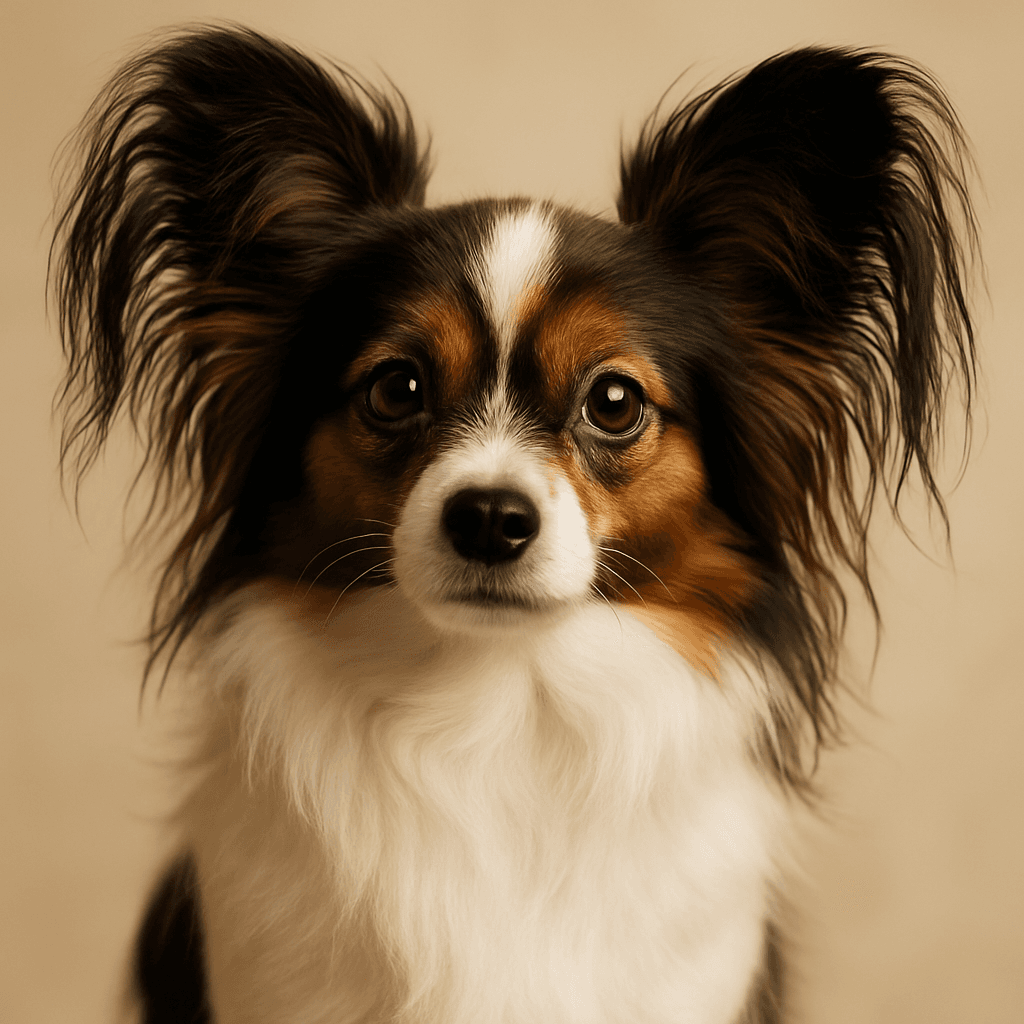
The Papillon, named from the French word for butterfly in reference to its most immediately distinctive feature - the large, fringed, fully erect ears that spread like butterfly wings on either side of the head - is one of Europe's most ancient and elegant toy breeds, depicted in oil paintings dating back to the sixteenth century in the work of court painters across France, Italy and Spain. The breed was a favourite of European royalty and aristocracy from the Renaissance onwards, frequently appearing in portraits of the French royal family and their pets. The drop-eared variety, known as the Phalene (French for moth), precedes the erect-eared Papillon in historical records but is now far less common. Both varieties are registered by the Kennel Club in the Toy Group and may occur in the same litter.
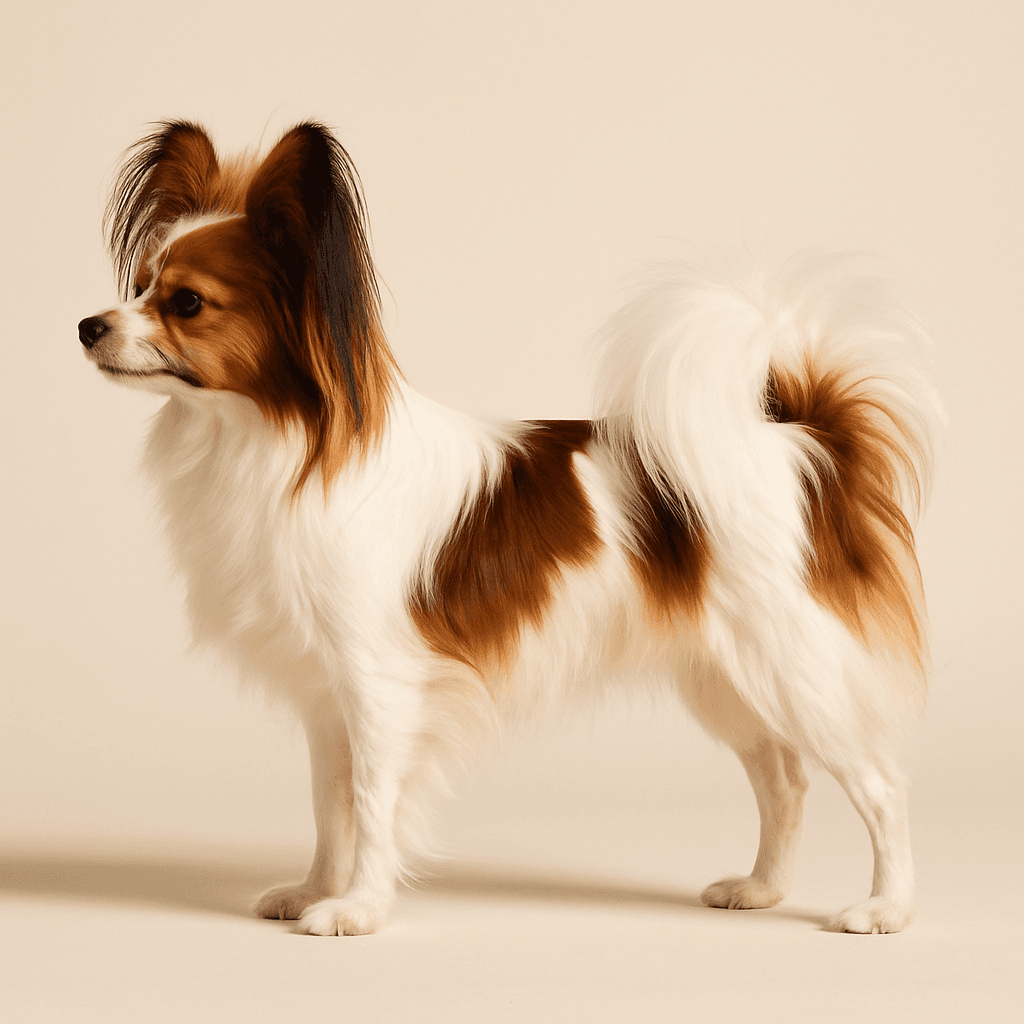
The Papillon is a small, fine-boned and elegant dog with a butterfly-shaped head, large expressive dark eyes and the characteristic fringed erect ears. The coat is long, flowing, fine and silky, lacking a dense undercoat, and comes in white with patches of any colour including black, sable, lemon, red and tricolour. The tail is set high and arches over the back in a flowing plume. Adults typically stand 20 to 28 centimetres at the shoulder and weigh 3.6 to 4.5 kilograms.
The character is alert, lively and highly intelligent - far more so than the decorative appearance suggests. The Papillon is widely recognised as one of the most intelligent and trainable of all toy breeds, combining a genuine athleticism and physical capability with an eagerness to engage, learn and please its handler that exceeds most dogs twice its size. It has been spectacularly successful in competitive obedience and agility, regularly outperforming much larger breeds in complex task completion.
This intelligence and activity level mean the Papillon is not a passive lap dog. It benefits from regular mental stimulation through training, dog sports and interactive play, and becomes restless or inventively mischievous if under-stimulated. Owners who engage with the breed's intelligence report an exceptionally rewarding and engaging small companion.
The Papillon is affectionate and devoted to its family, generally sociable and good with children who handle it respectfully given the delicate build, and alert as a watchdog without being excessive or shrill. The long lifespan - typically 13 to 17 years - means the lifetime commitment is substantial and the relationship deeply rewarding.
Health considerations include Patellar Luxation, Progressive Retinal Atrophy and Von Willebrand Disease. Dental care from puppyhood is important.
Purchase prices from KC-registered, health-tested breeders range from £800 to £1,800. Monthly running costs average £55 to £95. The Papillon Club of Great Britain is the primary resource for breed information, health testing guidance, responsible breeders and rescue contact.
Temperament & Personality
Alert, lively and highly intelligent with a cheerful and engaging character. Affectionate and devoted to its family. Good with children and generally sociable with other dogs. Alert watchdog. Active and playful for a toy breed - not a passive lap dog. The intelligence and energy require regular mental engagement to keep the dog content.
Training
Exceptional trainability is a defining characteristic of the Papillon - it is widely recognised as one of the most capable and intelligent of all toy breeds in training terms. Responds brilliantly to positive reinforcement and engages enthusiastically with learning. Has been spectacularly successful in competitive obedience and agility. Early socialisation is straightforward given the naturally sociable character.
Exercise Needs
More active than many toy breeds - benefits from 45 to 60 minutes daily. Enjoys off-lead exercise in secure areas, agility training and mentally engaging activities. The breed has genuine athleticism and excels at dog sports. Mental stimulation is as important as physical exercise.
Health & Vet Costs
Progressive Retinal Atrophy has been documented in the breed. Patellar Luxation is a concern in all toy breeds and assessment of breeding stock is strongly recommended. Von Willebrand Disease has been documented. Dental disease is common in small breeds without preventive care. The Papillon Club of Great Britain maintains health testing guidance.
Protect your Papillon with the right insurance
Vet costs are rising. Lifetime cover means long-term conditions stay covered for life -- not just 12 months.
Feeding & Nutrition
Feed a high-quality complete food for a small active breed. Dental health is an ongoing consideration in all toy breeds. Two small meals daily. Monitor weight - the Papillon is small and even modest overfeeding is significant proportionally.
Feeding your Papillon
How much to feed, which food types suit this breed, and what to avoid.
Grooming & Care
The long, silky single-layer coat is surprisingly low-maintenance compared to most long-coated breeds as it lacks a dense undercoat and does not mat easily. Weekly brushing is sufficient for most of the year. The ear fringing and tail require occasional attention. Bathing as required. No trimming needed.
Costs of Ownership
Purchase price from a KC-registered, health-tested breeder: £800 to £1,800. Monthly running costs: £55 to £95.
Is a Papillon Right for You?
Suits a wide range of owners including those in smaller homes. Excellent with older children and active owners. More energetic and trainable than most toy breeds. Benefits from regular mental stimulation through training and dog sports. A good choice for owners wanting a small breed with genuine working intelligence.
Related Guides
Free newsletter
Get the weekly guide for UK dog owners
Breed spotlights, training tips and health advice delivered every week.