Peekapoo
Complete UK breed guide

Quick answer
The Peekapoo is a cross between a Pekingese and a Miniature or Toy Poodle, producing a small, low-shedding companion. The Pekingese parent introduces brachycephalic health risks that must be assessed carefully. Health testing of parents is essential. Suited to quieter households. Not KC registered.
Quick Facts
- Size
- Small
- Weight
- 3–8 kg
- Lifespan
- 10–15 years
- Exercise
- 20–30 mins/day
- Activity Level
- Moderate
- Grooming
- Moderate
- Monthly Cost
- £80–£140/month
- Temperament
- —
- Good with Children
- Yes
- Good with Dogs
- Yes
- Good for First Timers
- Yes
- Suits Flats
- Yes
Breed Overview
The Peekapoo is a crossbreed produced from a Pekingese and a Poodle - typically a Miniature or Toy Poodle - combining a breed of considerable ancient Chinese imperial heritage with one of the world's most trainable dogs to produce a small, typically low-shedding companion. The cross emerged in the United States in the 1950s and 1960s, making it one of the earliest of the intentional designer crossbreeds that preceded the doodle boom by several decades. It is not recognised by the Kennel Club and has no formal breed standard, breed club or mandatory health testing programme.
The Pekingese is one of the most ancient of all recognised dog breeds, with a history as an imperial companion in China stretching back at least two thousand years. The breed is a lion dog in miniature, bred for a flat-faced, proud and dignified bearing, and was so revered in the imperial court that unauthorised ownership was punishable by death. The Poodle is one of the most intelligent and trainable of all breeds. The combination produces a variable result but typically a small, composed and affectionate companion with a degree of the Pekingese's measured dignity and the Poodle's alertness and responsiveness.
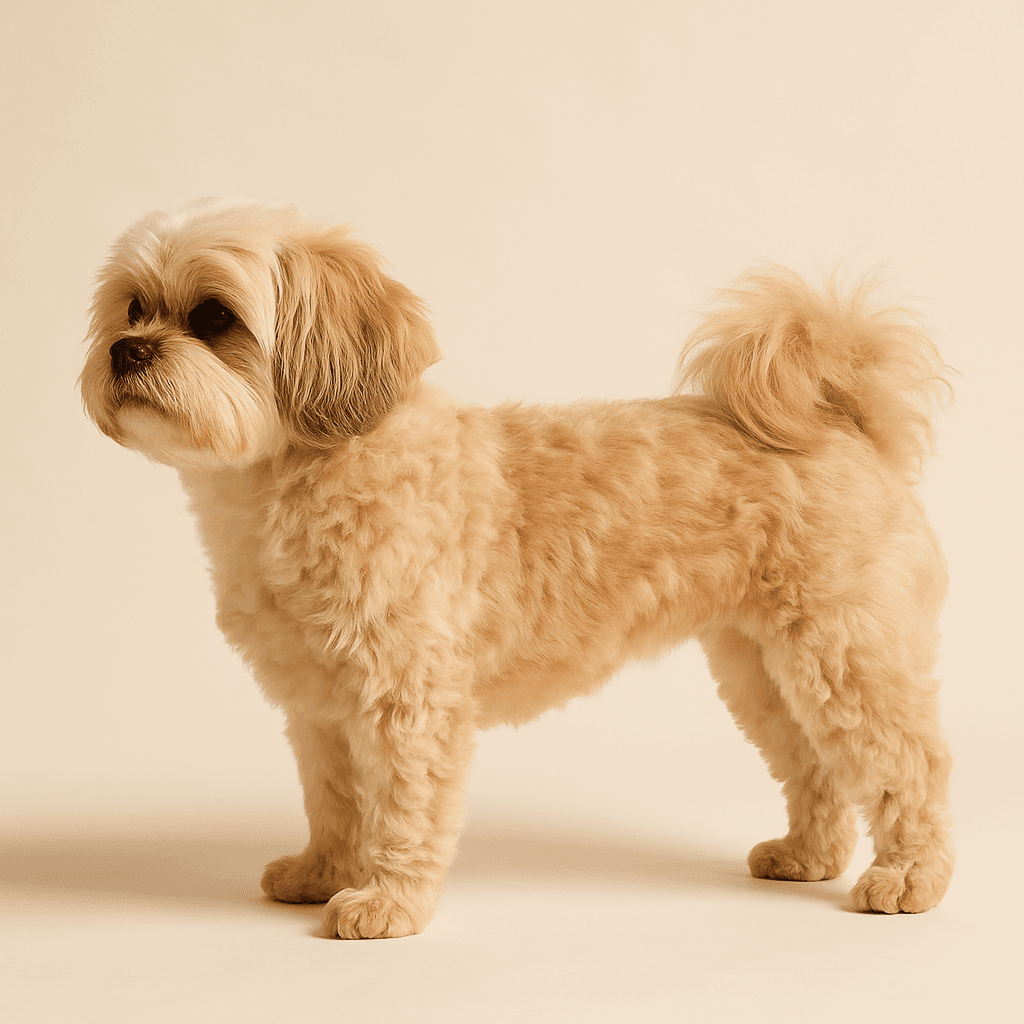
Appearance varies significantly between individuals. The degree of flat-facedness inherited from the Pekingese parent is the most critical variable - some Peekapoos have a substantially extended muzzle compared to a purebred Pekingese, while others retain a notably flat face with associated breathing implications. Coat type varies from wavy and Poodle-influenced to longer and flatter in more Pekingese-type individuals. Adults typically weigh 4 to 9 kilograms.
The most significant health consideration with this cross is the brachycephalic risk from the Pekingese parent. Brachycephalic Obstructive Airway Syndrome is a serious welfare concern in Pekingese and can be inherited in crosses to a variable degree. BOAS grading of the Pekingese parent is the minimum acceptable standard from any responsible breeder. Prospective buyers should observe any puppy carefully for signs of breathing difficulty before committing to purchase and should avoid puppies from excessively flat-faced Pekingese parents.
The character is typically calm, composed and affectionate. The Pekingese contributes dignity, independence and a quiet devotion; the Poodle contributes alertness and the capacity for engagement. The resulting personality is generally gentle and good-natured, better suited to quieter households than to very active or boisterous environments.
Progressive Retinal Atrophy is documented in Pekingese and eye testing of the Pekingese parent is recommended. Patellar Luxation is a concern in both parent breeds. No formal crossbreed testing scheme exists.
Purchase prices range from £500 to £1,200. Monthly running costs average £50 to £90. There is no breed club or specialist rescue - Pekingese rescue, Doodle Trust and general rescue organisations are the most useful contacts for those considering rehoming.
Temperament & Personality
Typically calm, composed and affectionate. The Pekingese contributes dignity, independence and quiet devotion; the Poodle contributes alertness and sociability. Generally gentle and good-natured. May be reserved with strangers - the Pekingese's watchful quality often surfaces. Not typically exuberant but warm and devoted with its own family.
Training
The Poodle influence brings intelligence and trainability; the Pekingese influence introduces independence and occasional stubbornness. Positive reinforcement works well. Short sessions with variety and patience produce the best results. Early socialisation is important. The Pekingese's sometimes reserved character with strangers can surface.
Exercise Needs
Moderate to low exercise needs - 20 to 40 minutes daily depending on the individual. The Pekingese influence may produce a less active individual; the Poodle influence brings more energy. Exercise must be moderated in hot weather given potential brachycephalic traits. Mental stimulation through training and play is valuable.
Health & Vet Costs
Brachycephalic Obstructive Airway Syndrome (BOAS) is a primary concern given the Pekingese parent and any flat-faced features must be assessed carefully before purchase. BOAS grading of the Pekingese parent is essential. Progressive Retinal Atrophy is documented in Pekingese and eye testing is recommended. Patellar Luxation is a concern in small breeds. No formal crossbreed testing scheme exists.
Protect your Peekapoo with the right insurance
Vet costs are rising. Lifetime cover means long-term conditions stay covered for life -- not just 12 months.
Feeding & Nutrition
Feed a high-quality complete food for a small breed. Dental health is a consideration in small breeds. Monitor weight as small breeds gain weight easily. Two small meals daily.
Feeding your Peekapoo
How much to feed, which food types suit this breed, and what to avoid.
Grooming & Care
Coat type varies between individuals - from a softer, wavier Poodle-influenced coat to the longer, flatter Pekingese type. All require regular brushing to prevent matting. Professional grooming every 8 to 10 weeks is typical. Eyes require regular cleaning given the proximity of the flat face. Ears should be checked.
Costs of Ownership
Purchase price: £500 to £1,200. No formal breed standard or mandatory health testing scheme exists. Monthly running costs: £50 to £90. Professional grooming costs should be factored in.
Is a Peekapoo Right for You?
Suits quieter households and owners seeking a calm, low-shedding small companion. The Pekingese influence brings a composed, sometimes independent character and brachycephalic health risks. Not suited to very active owners or households with very young boisterous children. Adaptable to smaller living spaces.
Related Guides
Free newsletter
Get the weekly guide for UK dog owners
Breed spotlights, training tips and health advice delivered every week.