Poodle (Toy)
Complete UK breed guide
Quick answer
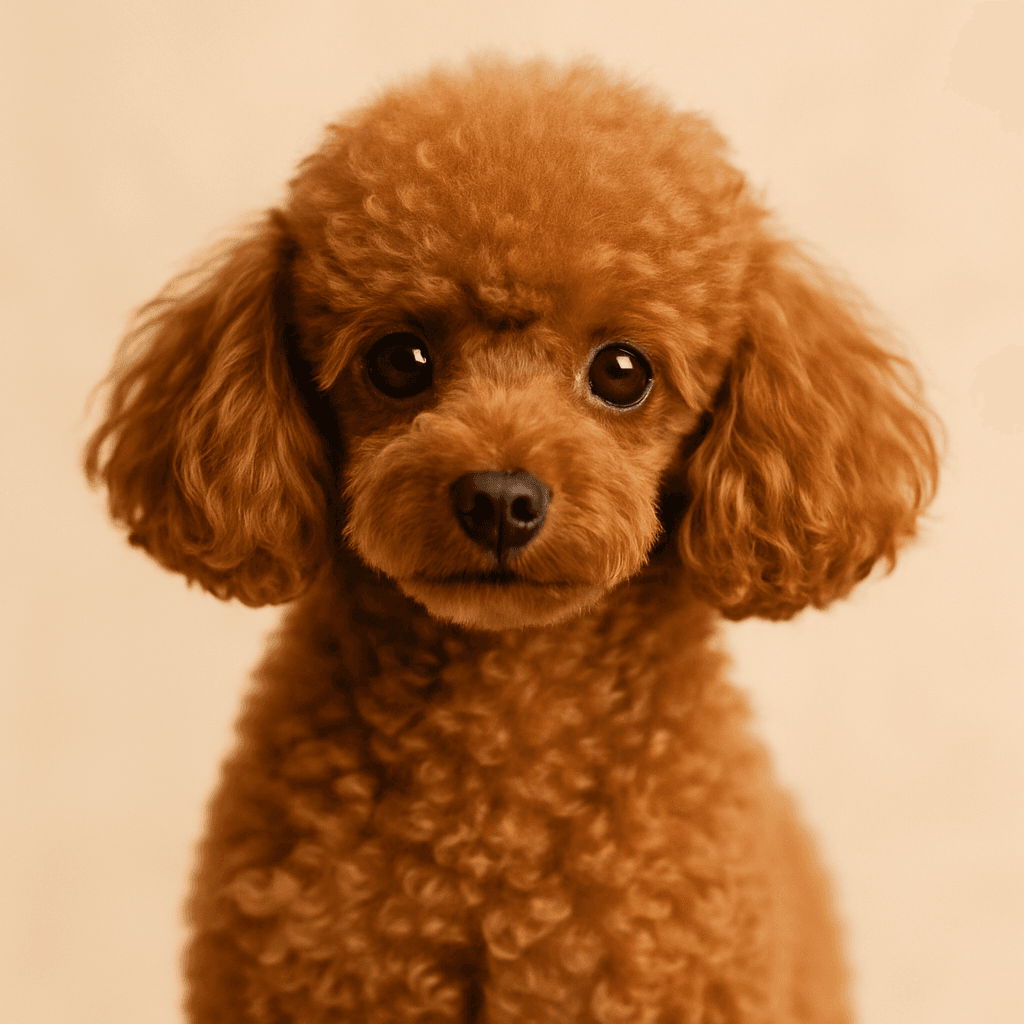
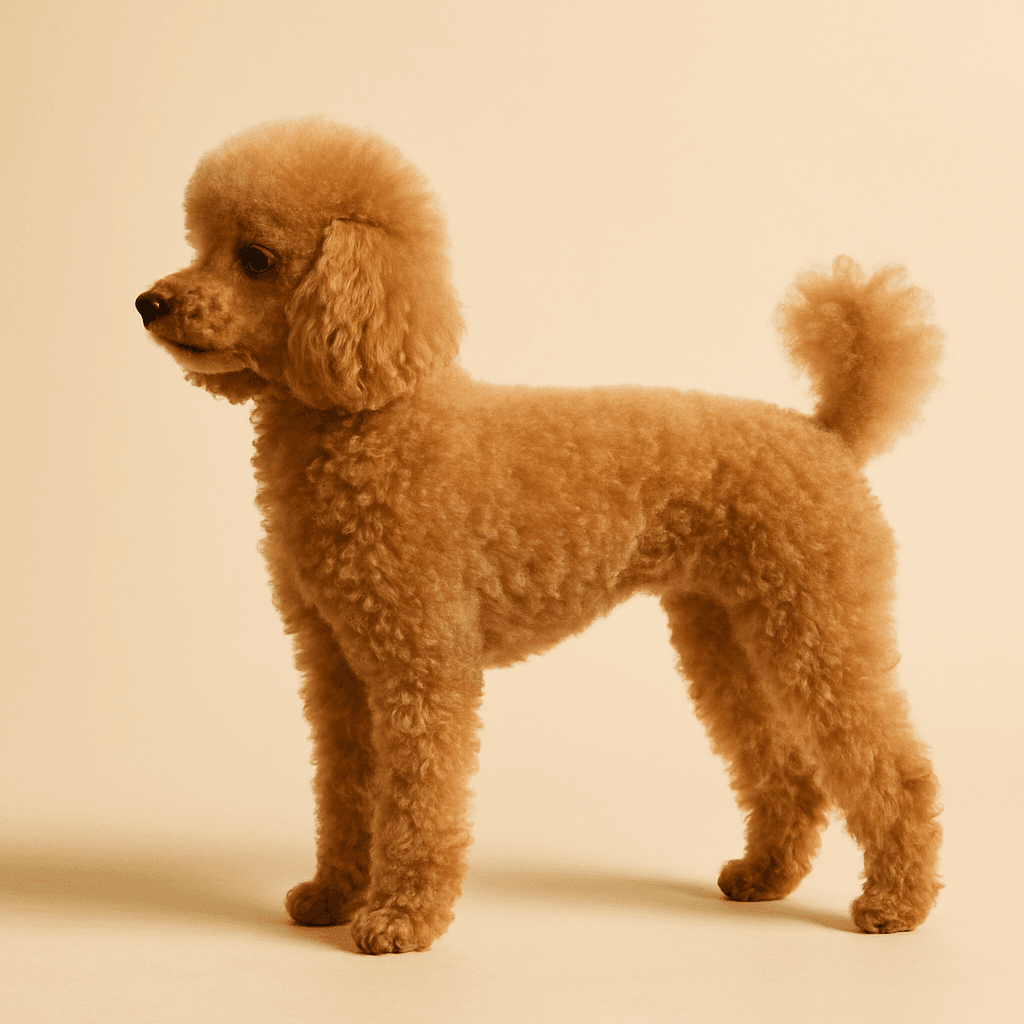
The Toy Poodle is the smallest of the three Poodle varieties, a highly intelligent, trainable and long-lived companion breed. Low-shedding curly coat requires professional grooming. Excellent with families. Progressive Retinal Atrophy testing essential. Long lifespan of 14 to 18 years. KC Utility Group.
Quick Facts
- Size
- Small
- Weight
- 7–8 kg
- Lifespan
- 10–18 years
- Breed Group
- Utility
- Exercise
- 30–45 mins/day
- Activity Level
- Moderate
- Grooming
- High
- Monthly Cost
- £90–£150/month
- Temperament
- —
- Good with Children
- Yes
- Good with Dogs
- Yes
- Good for First Timers
- Yes
- Suits Flats
- Yes
Breed Overview
The Toy Poodle is the smallest of the three internationally recognised Poodle varieties - the Standard, the Miniature and the Toy - and shares with its larger counterparts the remarkable intelligence, the distinctive dense and curly low-shedding coat, and the lively, affectionate character that have made Poodles one of the most popular and beloved dog breeds in the world across several centuries. The Poodle originated in Germany as a water retriever and duck hunting dog - the name derives from the German word Pudel, meaning one who splashes in water - and was subsequently refined in France as a companion and performing dog, a role to which the breed's exceptional trainability and desire to engage with humans made it supremely suited. The KC registers all three Poodle varieties separately, with the Toy Poodle placed in the Utility Group.
The Toy Poodle is a small, square-proportioned and elegantly built dog with the distinctive dense, curly or corded low-shedding coat of the Poodle family. The coat comes in a wide range of solid colours including black, white, brown, apricot, cream, red, silver and blue. The expression is alert and intelligent. Adults stand up to 28 centimetres at the shoulder and weigh 2 to 3 kilograms.
The character is fully Poodle in every dimension despite the compact size - alert, highly intelligent, affectionate, playful and deeply engaged with its family and handler. The Toy Poodle is one of the most trainable of all small breeds, capable of advanced obedience, agility and trick training that would challenge breeds twice its size. This intelligence is a joy to engage with but also means the breed requires genuine mental stimulation - an under-stimulated Toy Poodle becomes restless, invents its own entertainment and sometimes develops behaviours that are less welcome.
The low-shedding coat is a genuine practical advantage for households where shedding is a concern, but the non-shedding quality comes at the cost of continuous growth that requires regular professional clipping every 6 to 8 weeks. Without consistent professional grooming the coat mats and cords rapidly. The grooming commitment is real and ongoing.
Health considerations are important. Progressive Retinal Atrophy DNA testing of both parents is essential. Patellar Luxation, Epilepsy and Addison's Disease are documented.
Purchase prices from KC-registered, health-tested breeders range from £1,000 to £2,500. Monthly running costs, including grooming, average £80 to £140. The Poodle Club is the primary resource for breed information, health testing requirements, responsible breeders and rescue contact.
Temperament & Personality
Alert, intelligent, affectionate and playful. Devoted to its family and good with children who handle the small dog respectfully. Sociable and generally gets on well with other dogs. Alert watchdog. Active and engaged - not a passive lap dog despite the small size. The Poodle character is fully present in the Toy variety: intelligent, lively and deeply connected to its people.
Training
Exceptional intelligence and trainability are defining characteristics of all Poodle varieties. The Toy Poodle is capable of remarkable achievement in obedience, agility and trick training that would challenge breeds twice its size. Responds brilliantly to positive reinforcement. Boredom produces restlessness. One of the most rewarding small breeds to train seriously.
Exercise Needs
Moderate exercise needs - 30 to 45 minutes daily. More active and mentally engaged than some toy breeds. Benefits significantly from regular training and mental stimulation as much as from physical exercise. The Poodle intelligence means under-stimulation leads to restlessness and sometimes problem behaviour.
Health & Vet Costs
Progressive Retinal Atrophy is a significant hereditary condition in Toy Poodles and DNA testing of both parents is mandatory for responsible breeding. Patellar Luxation is a concern in toy breeds and assessment is strongly recommended. Epilepsy has a documented higher incidence in Poodles. Addison's Disease and sebaceous adenitis have been documented in the breed. The Poodle Club maintains comprehensive health testing requirements.
Protect your Poodle (Toy) with the right insurance
Vet costs are rising. Lifetime cover means long-term conditions stay covered for life -- not just 12 months.
Feeding & Nutrition
Feed a high-quality complete food specifically formulated for a small breed. Dental health requires preventive care from puppyhood - small poodle varieties are prone to dental disease without management. Two small meals daily. Monitor weight.
Feeding your Poodle (Toy)
How much to feed, which food types suit this breed, and what to avoid.
Grooming & Care
The dense, curly, low-shedding coat grows continuously and requires professional clipping every 6 to 8 weeks. Without regular professional grooming the coat mats rapidly and can become uncomfortable. Daily brushing between professional appointments prevents cord and mat development. The grooming commitment is ongoing and should be factored into costs from the outset.
Costs of Ownership
Purchase price from a KC-registered, health-tested breeder: £1,000 to £2,500. Monthly running costs: £80 to £140, with professional grooming representing a significant ongoing expense.
Is a Poodle (Toy) Right for You?
Suits a very wide range of owners including those in smaller homes, families with children and active older owners. The intelligence and trainability make it one of the most rewarding small companions for owners who engage with the breed. Low-shedding coat is a genuine advantage for allergy-sensitive households. Adaptable and engaging.
Related Guides
Free newsletter
Get the weekly guide for UK dog owners
Breed spotlights, training tips and health advice delivered every week.