Schapendoes
Complete UK breed guide
Quick answer
The Schapendoes is a lively Dutch herding breed with a distinctive long, shaggy coat. Developed to herd flocks across Dutch heathland. Energetic, intelligent and trainable. Relatively rare in the UK. Requires substantial exercise and grooming. KC Pastoral Group.
Quick Facts
- Size
- Medium
- Weight
- 12–16 kg
- Lifespan
- 12–15 years
- Breed Group
- Pastoral
- Exercise
- 45–60 mins/day
- Activity Level
- Moderate
- Grooming
- High
- Monthly Cost
- £100–£160/month
- Temperament
- —
- Good with Children
- Yes
- Good with Dogs
- Yes
- Good for First Timers
- Yes
- Suits Flats
- No
Breed Overview
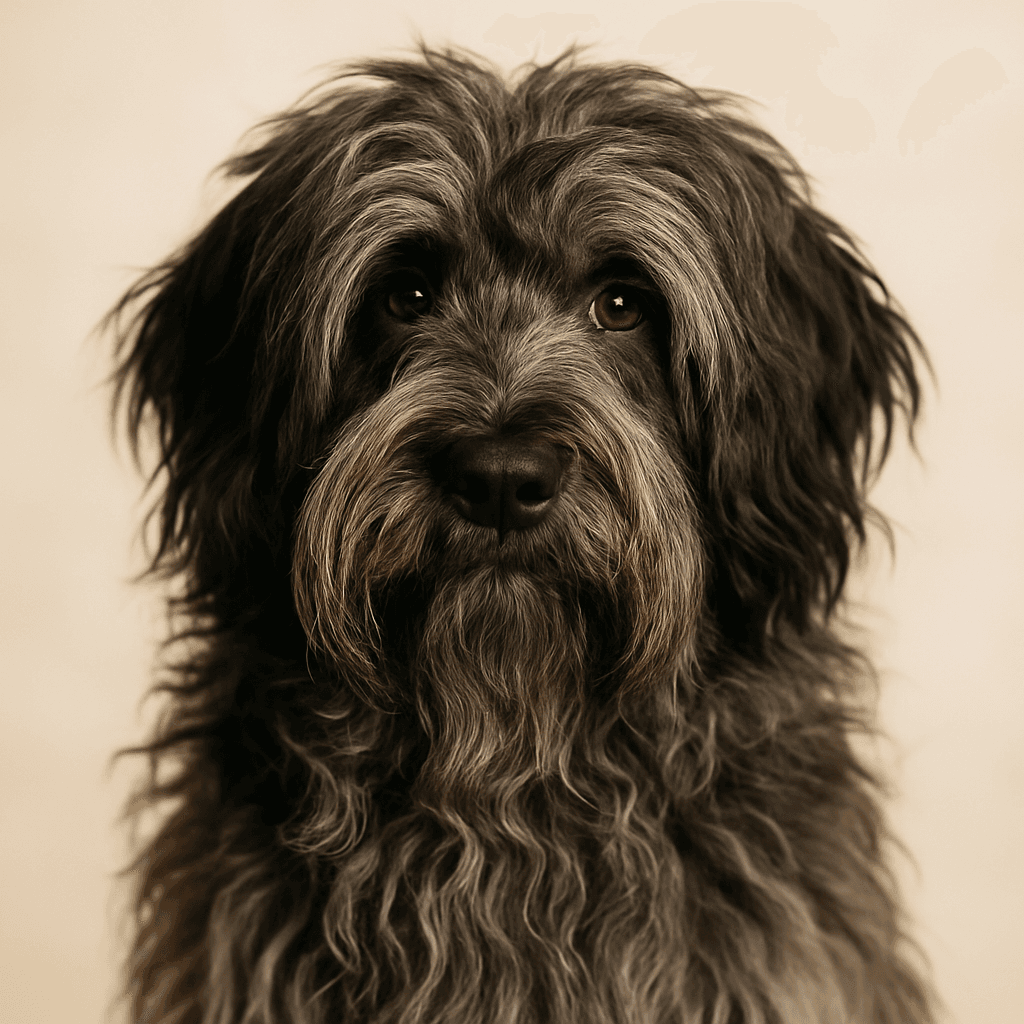
The Schapendoes (Dutch Sheepdog) is a lively, agile and shaggy-coated Dutch herding breed developed over many centuries across the heathlands and agricultural areas of the Netherlands to herd flocks of sheep, working with great energy and independence across the flat, open Dutch landscape. The breed declined sharply in numbers during the Second World War and was reconstructed by dedicated Dutch breed enthusiasts in the post-war period from remaining examples of the type, with formal breed recognition by the Dutch Kennel Club following in 1952 and FCI recognition in 1954. The Schapendoes is registered by the Kennel Club in the Pastoral Group and remains relatively uncommon in the United Kingdom, though it has a small and dedicated following.
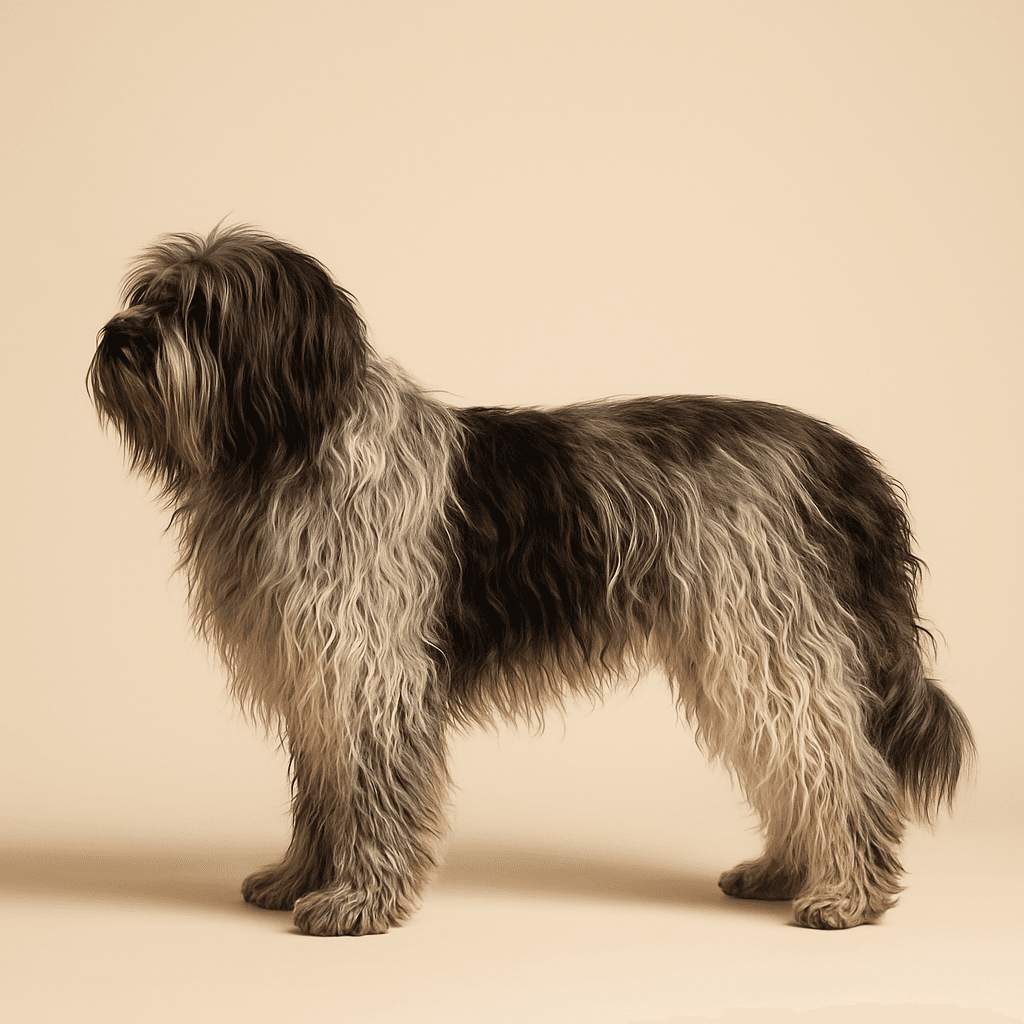
The Schapendoes is a medium-sized, lean and athletic dog of considerable agility and lightness of movement. The coat is long, fine and slightly wavy, forming a natural parting along the back, with a distinctive beard and moustache that give the face a friendly and slightly comical expression. The overall impression is of a lively, rough-coated herding dog of good proportions and evident working capability. Adults typically stand 43 to 50 centimetres at the shoulder and weigh 12 to 20 kilograms.
The character is lively, friendly and affectionate - a herding breed that combines working drive and energy with genuine sociability and a pleasant temperament. The Schapendoes is good with children and generally open with strangers, somewhat less reserved than some other herding breeds of similar background. The herding instinct is present and may manifest in the tendency to chase or circle, but it is generally manageable with training and is not typically dominant in the pet dog.
Training is a genuine strength. The Schapendoes is intelligent, eager and responsive to positive reinforcement, capable of good performance in agility and obedience competitions, and engages readily with learning activities. It is not as intense or demanding as some working herding breeds but retains enough drive and capability to reward owners who invest in training.
Health is generally good. Progressive Retinal Atrophy DNA testing and Hip Dysplasia assessment are recommended. The breed's robust constitution and working background mean it is less prone to hereditary conditions than many more recently developed breeds, which is an additional advantage for owners seeking a healthy and long-lived companion.
Purchase prices from KC-registered breeders range from £700 to £1,500. Monthly running costs average £75 to £125. Dutch breed clubs are the primary resource for breed information, health guidance, responsible breeders and import contacts.
Temperament & Personality
Lively, friendly, alert and affectionate. Good with children and generally sociable with other dogs and strangers. The herding instinct is present but not as dominant as in some other herding breeds. Devoted to its family. Energetic and playful. An engaging and active companion for the right household.
Training
Intelligent, eager and highly trainable - one of the more responsive of the continental herding breeds. Responds well to positive reinforcement and engages enthusiastically with training. Excels in agility and obedience. Early socialisation is important. A quick learner that rewards consistent, positive training.
Exercise Needs
Needs at least 60 to 90 minutes of vigorous daily exercise. The herding background produces a dog with real stamina and a need for mental as well as physical challenge. Agility, obedience and herding sports all suit the breed well. An under-exercised Schapendoes becomes restless and may develop problem behaviours.
Health & Vet Costs
The Schapendoes is generally considered a healthy breed. Progressive Retinal Atrophy has been documented and DNA testing is recommended. Hip Dysplasia testing of parents is advisable. The breed is not common enough in the UK for a comprehensive domestic health programme to exist. Dutch breed clubs are the primary source of health information.
Protect your Schapendoes with the right insurance
Vet costs are rising. Lifetime cover means long-term conditions stay covered for life -- not just 12 months.
Feeding & Nutrition
Feed a high-quality complete food for a medium active breed. Two meals daily. Monitor weight. The breed is lean and athletic and should be fed to support activity level.
Feeding your Schapendoes
How much to feed, which food types suit this breed, and what to avoid.
Grooming & Care
The long, fine, slightly wavy double coat requires thorough brushing at least twice weekly to prevent matting. The coat parts naturally along the back. Professional grooming several times yearly is typical for pet owners. The coat does not shed excessively but does require consistent maintenance to remain tangle-free.
Costs of Ownership
Purchase price from a KC-registered breeder: £700 to £1,500. The breed is rare in the UK. Monthly running costs: £75 to £125.
Is a Schapendoes Right for You?
Suits active owners with experience of herding breeds. Good with children and generally sociable. Requires substantial daily exercise and regular coat maintenance. Rare in the UK - sourcing from a reputable breeder may require patience. An excellent choice for owners seeking an active, trainable companion with herding instinct.
Related Guides
Free newsletter
Get the weekly guide for UK dog owners
Breed spotlights, training tips and health advice delivered every week.