Schipperke
Complete UK breed guide
Quick answer
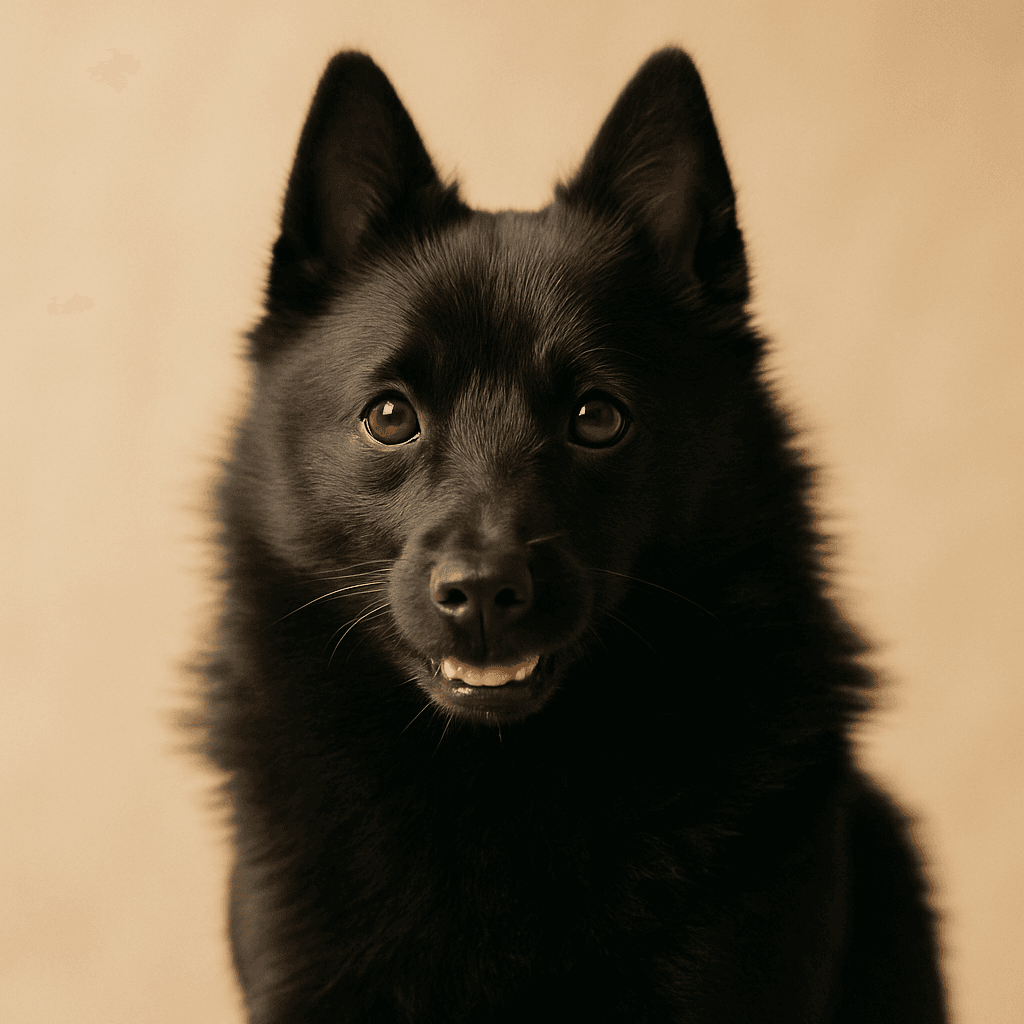
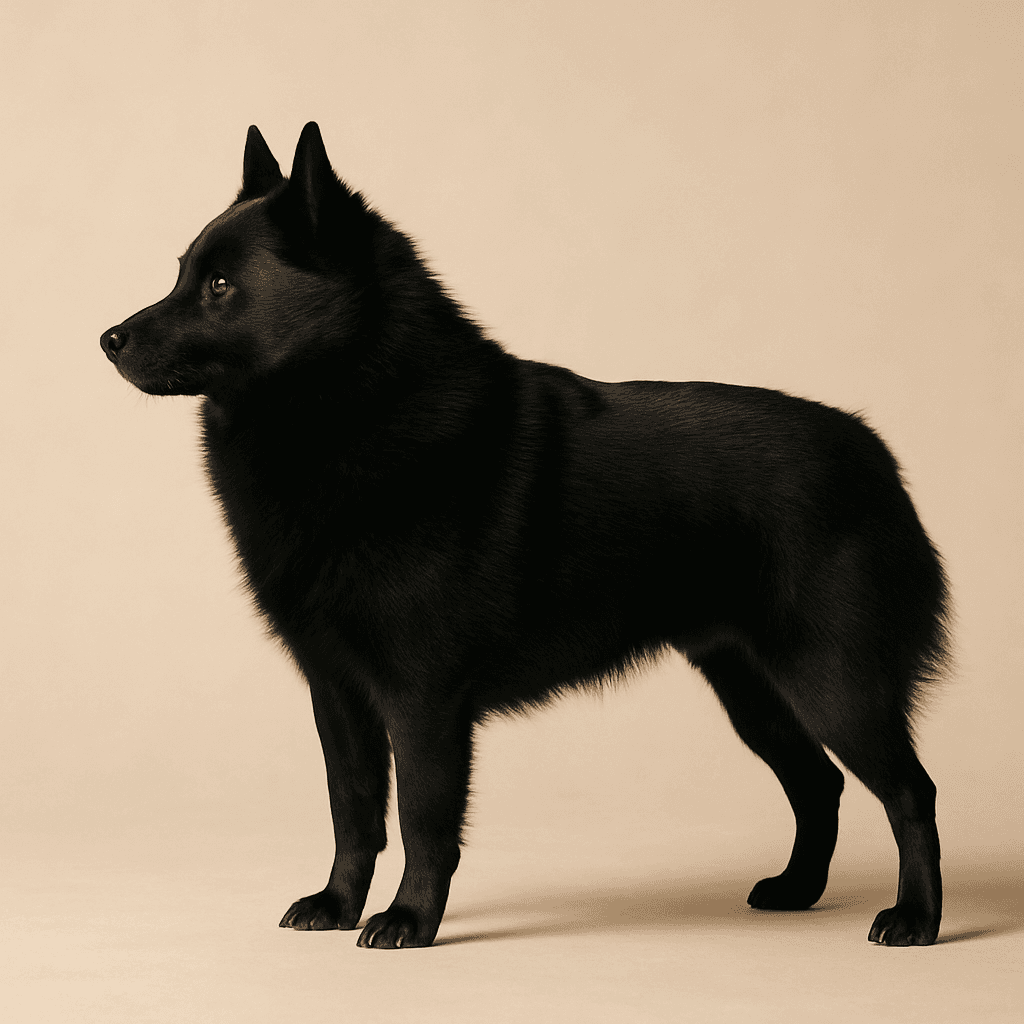
The Schipperke is a small, lively Belgian breed developed as a barge and watchdog. Curious, bold and energetic with a distinctive all-black, fox-like appearance and erect ears. Strong prey drive. Loyal and active companion. KC Utility Group.
Quick Facts
- Size
- Small
- Weight
- 5–9 kg
- Lifespan
- 13–15 years
- Breed Group
- Utility
- Exercise
- 30–45 mins/day
- Activity Level
- Moderate
- Grooming
- Moderate
- Monthly Cost
- £80–£130/month
- Temperament
- —
- Good with Children
- Yes
- Good with Dogs
- Yes
- Good for First Timers
- Yes
- Suits Flats
- Yes
Breed Overview
The Schipperke is a small, spirited and intensely characterful Belgian breed with a long history as a working dog on the barges and canal boats of Belgium, where it served as a watchdog and rat catcher on the waterways, keeping the vessels free from vermin and alerting the crew to intruders with the confident boldness of a dog considerably larger than its actual size. The name Schipperke is thought to derive from the Flemish word for little captain, reflecting both the breed's association with barge work and its self-possessed, commanding character. The breed was formally standardised in Belgium in the 1880s and has been registered with the Kennel Club in the Utility Group.
The Schipperke is a small, square-built and compact dog with an immediately distinctive appearance - the all-black, dense double coat, the fox-like pointed face with erect, alert ears, the pronounced mane and ruff around the neck and shoulders, and the characteristic rear that sits higher than the front when the breed is tailless in the natural state. The expression is bright, sharp and enquiring. Adults typically stand 22 to 33 centimetres at the shoulder and weigh 3 to 9 kilograms.
The character is bold, curious, energetic and loyal - a small dog with real personality and the confident watchfulness of a working barge dog. The Schipperke is alert and wary with strangers, which makes it a surprisingly capable watchdog for its size, while remaining devoted and affectionate with its own household. The prey drive is real - the breed was developed to hunt rats and vermin on barges - and can manifest in the chasing of small animals, cats and other small pets.
Training requires consistency and patience. The Schipperke is intelligent and quick but has an independent streak that can manifest in selective compliance if training is not established from an early age with clear, positive and consistent methods. Recall requires thorough training given the prey drive and the breed's natural tendency to investigate.
Health considerations include MPS IIIB genetic testing of breeding animals and Progressive Retinal Atrophy DNA testing. Owners should request evidence of both tests from any breeder before purchasing. The breed is generally long-lived for its size, with many individuals reaching twelve to fifteen years when well managed.
Purchase prices from KC-registered breeders range from £600 to £1,200. Monthly running costs average £55 to £95. The Schipperke Club of Great Britain is the primary resource for breed information, health testing requirements, responsible breeders and rescue contact.
Temperament & Personality
Curious, bold, alert and energetic. Devoted to its own family. Wary and watchful with strangers - the barge watchdog heritage gives a confident, vigilant edge. High prey drive toward small animals. Active, investigative and playful. A characterful, lively companion with real personality in a compact package.
Training
Intelligent and quick but with an independent, terrier-like character. Positive reinforcement works well. The strong curiosity and boldness can manifest in selective compliance if training is not consistent from puppyhood. Recall requires thorough training given the prey drive. Early socialisation is important.
Exercise Needs
Needs at least 45 to 60 minutes of daily exercise. The breed is surprisingly energetic for its size and benefits from both physical exercise and mental stimulation. Recall training is important given the prey drive. Puzzle feeders and training games provide useful mental challenge alongside physical walks.
Health & Vet Costs
Mucopolysaccharidosis type IIIB (MPS IIIB) is a genetic storage disease documented in the Schipperke and DNA testing of breeding animals is strongly recommended. Progressive Retinal Atrophy has been documented. Legg-Calve-Perthes Disease has been reported. The Schipperke Club of Great Britain provides health testing guidance.
Protect your Schipperke with the right insurance
Vet costs are rising. Lifetime cover means long-term conditions stay covered for life -- not just 12 months.
Feeding & Nutrition
Feed a high-quality complete food for a small active breed. Two meals daily. Monitor weight - the breed tends toward a good appetite. Dental health requires attention in small breeds.
Feeding your Schipperke
How much to feed, which food types suit this breed, and what to avoid.
Grooming & Care
The dense double coat with characteristic mane and ruff requires brushing once or twice weekly to maintain condition and remove dead hair. The coat sheds seasonally. Professional grooming is rarely needed. The breed is generally clean and tidy in appearance.
Costs of Ownership
Purchase price from a KC-registered breeder: £600 to £1,200. Monthly running costs: £55 to £95.
Is a Schipperke Right for You?
Suits active owners who enjoy a curious, bold and engaging small companion. Good family dog but the terrier-like prey drive means care is needed with small animals. Energetic for its size and requires more exercise than some small breeds. Adaptable to different living situations. Not a dog for completely sedentary households.
Related Guides
Free newsletter
Get the weekly guide for UK dog owners
Breed spotlights, training tips and health advice delivered every week.