Schnoodle
Complete UK breed guide
Quick answer
The Schnoodle is a Schnauzer and Poodle cross combining low-shedding coat traits with intelligence from both parent breeds. Available in various sizes depending on parent sizes used. Friendly, adaptable and trainable. Health testing of parents is essential. Not KC registered as a breed.
Quick Facts
- Size
- Small
- Weight
- 5–20 kg
- Lifespan
- 12–15 years
- Exercise
- 45–60 mins/day
- Activity Level
- Moderate
- Grooming
- High
- Monthly Cost
- £100–£160/month
- Temperament
- —
- Good with Children
- Yes
- Good with Dogs
- Yes
- Good for First Timers
- Yes
- Suits Flats
- Yes
Breed Overview
The Schnoodle is a hybrid dog produced by crossing a Schnauzer with a Poodle, combining two of the most intelligent and capable dog breeds to produce a companion that inherits the Poodle's low-shedding, highly trainable qualities with the Schnauzer's alert, loyal and characterful personality. The cross can be produced using any size combination of Schnauzer (Miniature, Standard or Giant) and Poodle (Toy, Miniature or Standard), meaning Schnoodles can range from very small dogs of 3 to 4 kilograms to large dogs of 30 kilograms or more. First-generation Schnoodles (F1) are the most commonly produced, though multi-generational breeding is also practised by some breeders seeking greater coat consistency.
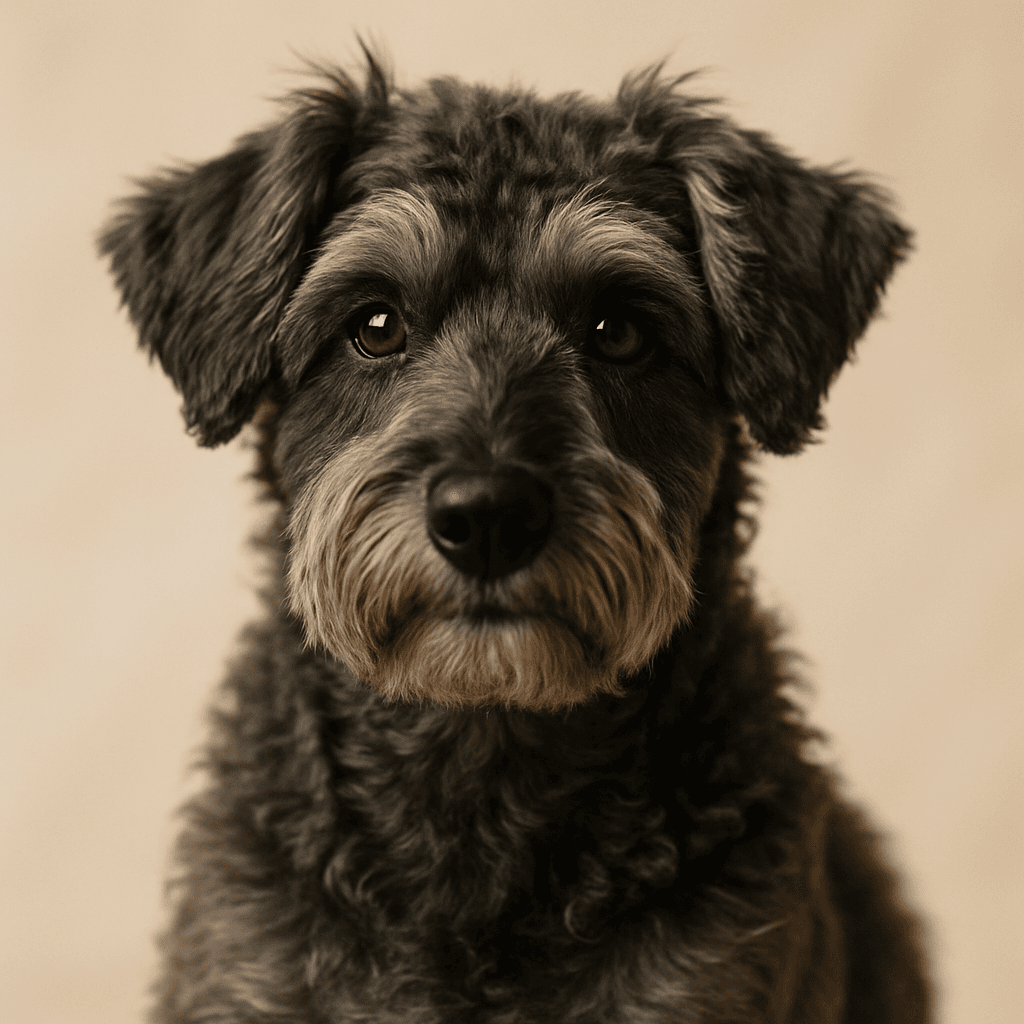
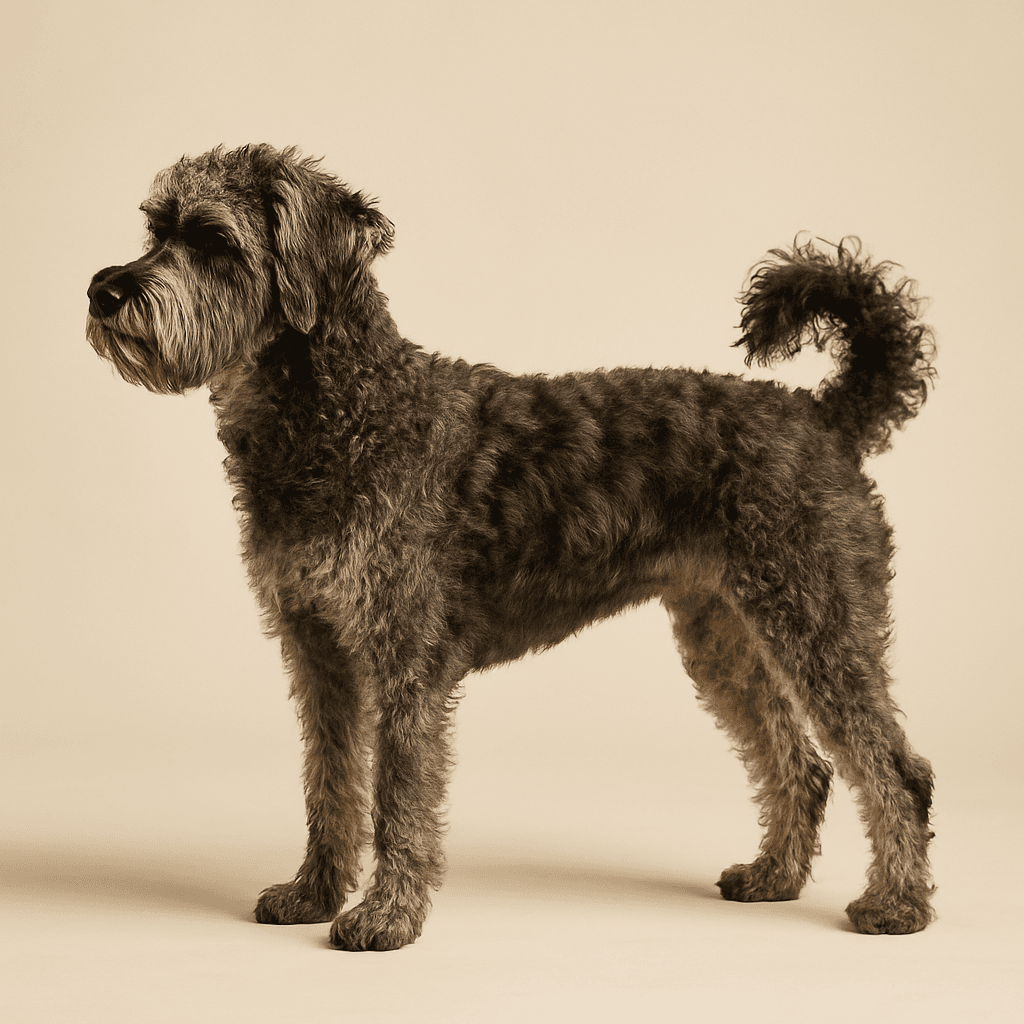
The Schnoodle is not a registered breed with the Kennel Club and does not have a formal breed standard, meaning appearance and character can vary considerably between individuals even within the same litter. The coat is typically wavy to curly and inherits elements of both the Poodle and Schnauzer coats, usually producing lower shedding than the Schnauzer alone, though full non-shedding is not guaranteed. The beard and eyebrow furnishings characteristic of the Schnauzer typically appear. Colour varies widely.
The character is typically intelligent, friendly and adaptable, reflecting the positive qualities of both parent breeds. The Schnoodle is generally good with children, sociable with other dogs and keen to engage with training and activity. Both parent breeds are working dogs with real intelligence and capability, and the cross typically inherits drive and enthusiasm for engagement that makes it a rewarding companion for active owners.
Health testing of both parent animals is essential and buyers should request evidence of appropriate clearances before purchasing. Specific tests required vary by the sizes and exact breeds involved.
Buyers should also consider that coat type in F1 Schnoodles is not fully predictable - some individuals inherit a coat closer to the Schnauzer parent and shed more than expected. Choosing a breeder who health tests both parents thoroughly and who can demonstrate multi-generational knowledge of coat outcomes is important. The intelligence and trainability of both parent breeds make the Schnoodle one of the more rewarding hybrid companions available, and owners who invest in training from puppyhood report a highly capable and loyal dog that excels in a wide range of activities from competitive obedience to therapy work.
Purchase prices from health-tested breeders range from £800 to £2,000. Monthly running costs average £70 to £150 depending on size. No breed-specific club exists - general hybrid dog resources and the Doodle Trust are the primary rescue contacts.
Temperament & Personality
Intelligent, friendly, affectionate and playful. Good with children and generally sociable with other dogs. Adaptable to different household environments. The combination of Schnauzer alertness and Poodle sociability produces a lively, engaging companion. Devoted to its family. Generally good-natured and responsive.
Training
Highly intelligent - both parent breeds are among the most trainable of all dogs. The Schnoodle responds brilliantly to positive reinforcement and engages enthusiastically with learning. Excels in obedience, agility and tricks. Early socialisation is important. A quick learner that rewards consistent training investment.
Exercise Needs
Exercise requirements vary by size. A Miniature Schnoodle requires 45 to 60 minutes daily; a Standard or Giant Schnoodle requires 60 to 90 minutes. Both parent breeds are energetic and the cross inherits real drive and enthusiasm for activity.
Health & Vet Costs
Health testing of both parents is essential. For the Schnauzer parent: Myotonia Congenita testing (Miniature Schnauzer), eye testing and cardiac assessment. For the Poodle parent: Hip Dysplasia, Progressive Retinal Atrophy and Von Willebrand's Disease DNA testing. Addison's Disease has been documented in Poodles and may appear in Schnoodle lines. Always request evidence of health testing before purchasing.
Protect your Schnoodle with the right insurance
Vet costs are rising. Lifetime cover means long-term conditions stay covered for life -- not just 12 months.
Feeding & Nutrition
Feed a high-quality complete food appropriate to the dog's size (which varies considerably depending on parent sizes). Two meals daily. Monitor weight. Dental health requires attention.
Feeding your Schnoodle
How much to feed, which food types suit this breed, and what to avoid.
Grooming & Care
The coat varies from wavy to curly and is low to moderate shedding, inheriting elements of both the Poodle and Schnauzer coats. Brushing two to three times weekly prevents matting. Professional grooming every 8 to 10 weeks is standard to maintain coat length. The beard and facial furnishings require daily attention.
Costs of Ownership
Purchase price from a health-tested breeder: £800 to £2,000 depending on size and lineage. Monthly running costs: £70 to £150 depending on size.
Is a Schnoodle Right for You?
Suits a wide range of owners including those seeking a lower-shedding companion. Adaptable to different home sizes depending on the size of parents used. Intelligent and trainable. Health testing of both parents is essential - verify Hip Dysplasia clearances, eye testing and DNA panels appropriate to both Schnauzer and Poodle lines.
Related Guides
Free newsletter
Get the weekly guide for UK dog owners
Breed spotlights, training tips and health advice delivered every week.