
Siberian Husky
Complete UK breed guide
Quick answer
Siberian Huskies are striking Working Group dogs that need secure fencing, cannot be trusted off-lead, and howl significantly. They need two or more hours of vigorous exercise daily and shed heavily twice a year. Very high rescue numbers reflect impulse buying. Expect monthly costs of £125 to £215, with a lifespan of 12 to 14 years.
Quick Facts
- Size
- Large
- Weight
- 16–27 kg
- Lifespan
- 12–14 years
- Breed Group
- Working
- Exercise
- 120–150 mins/day
- Activity Level
- very high
- Grooming
- Moderate
- Monthly Cost
- £120–£190/month
- Temperament
- —
- Good with Children
- No
- Good with Dogs
- Yes
- Good for First Timers
- No
- Suits Flats
- No
Breed Overview
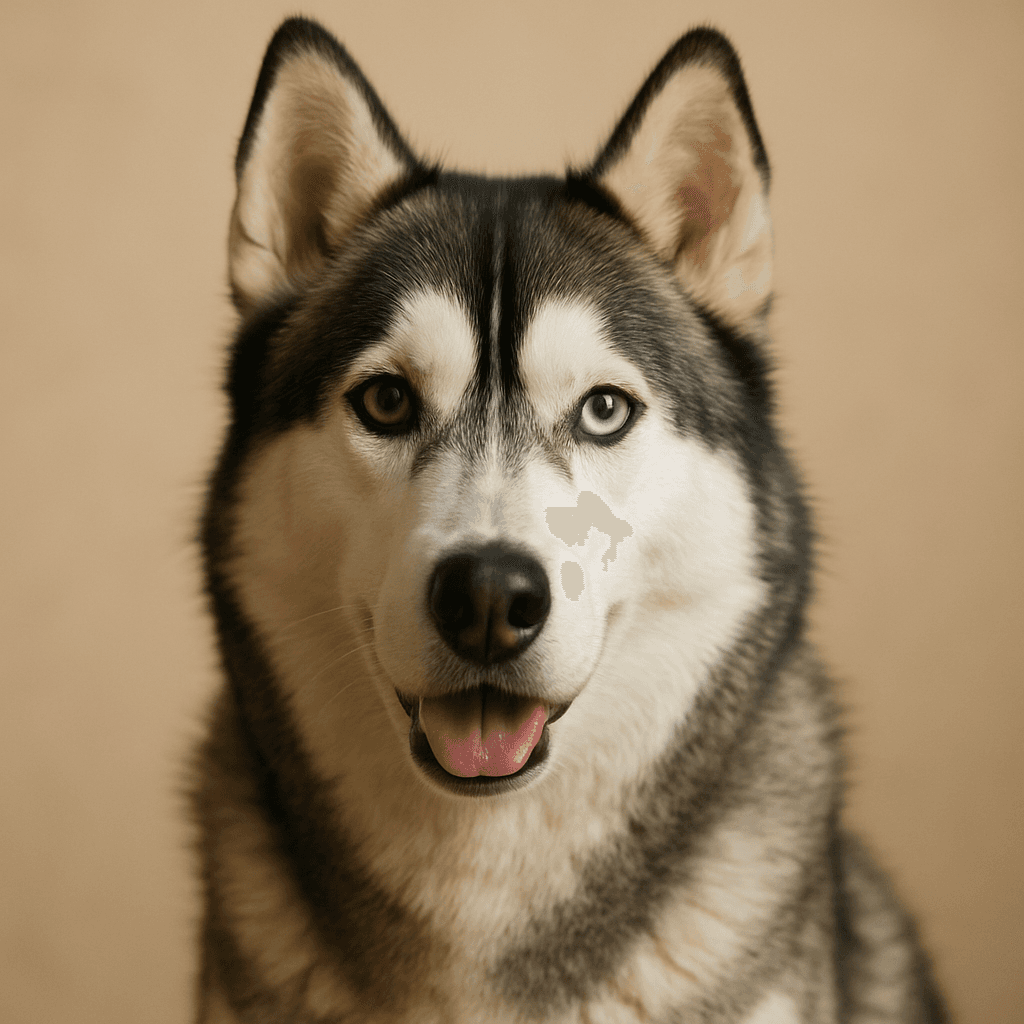
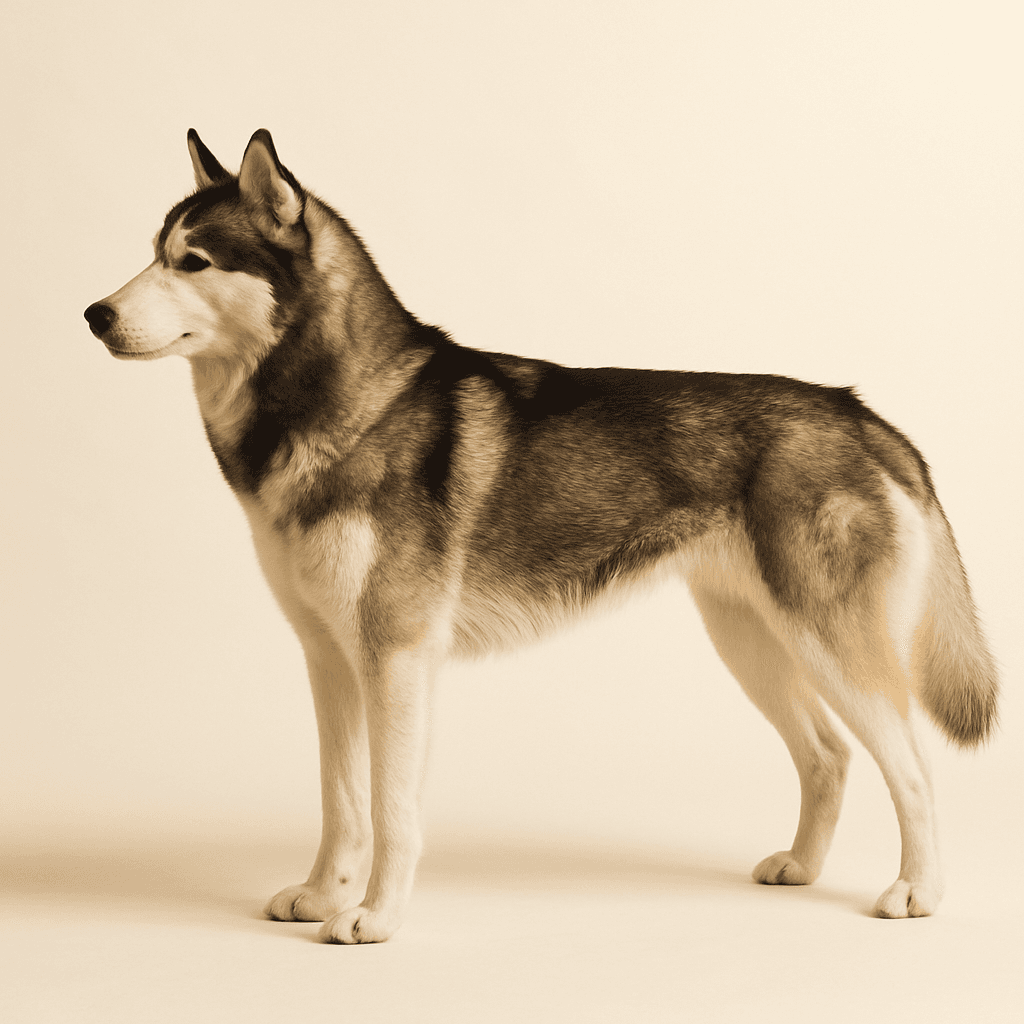
The Siberian Husky is a working sled dog developed by the Chukchi people of Siberia over thousands of years, registered by the Kennel Club in the Working Group. They are striking, wolf-like dogs with extraordinary stamina, an intensely independent character and a set of ownership requirements that make them one of the most commonly mismatched breeds in UK rescue.
Every prospective Husky owner must understand four non-negotiable realities before acquiring this breed. First, they are escape artists: a secure, reinforced garden fence is not optional. Huskies are athletic, determined and highly motivated to roam when they choose. Standard garden fencing is often insufficient. Second, they cannot be trusted off-lead in unfenced areas. Their prey drive and independence mean that once they decide to go, they go. Recall training cannot reliably override this instinct. Third, they howl. Vocalisation is a core characteristic of the breed and a genuine consideration for neighbours, particularly in densely populated areas. Fourth, they shed excessively: a dramatic coat blow twice a year and consistent moderate shedding year-round.
Siberian Huskies are not flat dogs under any circumstances. They need at least two hours of vigorous exercise per day and significant mental stimulation. An under-exercised Husky will express its frustration through destructive behaviour, vocalisation and escape attempts.
Siberian Huskies are in very high numbers in UK rescue, driven almost entirely by impulse purchases of puppies by owners who were unprepared for what the breed actually requires. The gap between the beautiful dog in a photograph and the reality of owning a working sled breed is significant.
For owners who genuinely match the breed's needs: an active lifestyle, secure outdoor space, tolerance for vocality and shedding, and experience with independent-minded dogs, the Siberian Husky is a remarkable, loyal and genuinely stunning companion. Typical lifespan is 12 to 14 years.
The breed does best in households where the owner has actively researched Arctic breeds, ideally spoken to Husky owners and visited a rescue before committing. The Siberian Husky Club of Great Britain provides breed information and can connect prospective owners with experienced Husky people. The breed is genuinely extraordinary in the right environment: there are few dogs as physically striking or as capable of sustained athletic performance. The key is matching the dog to an owner who can genuinely provide what it needs. The breed's rescue numbers in the UK reflect how many owners discovered too late that their lifestyle did not match the breed's needs. Do not add to those statistics. Research thoroughly, prepare your garden security before the dog arrives, and only proceed if the commitment is genuine.
Temperament & Personality
Siberian Huskies are affectionate, sociable dogs within their family but operate on their own terms to a degree that consistently surprises owners expecting a more conventional large breed. They are not guard dogs: their default with people, including strangers, is friendliness. They are pack-oriented and typically excellent with other dogs, but their prey drive makes them unreliable around cats and small animals.
They are not dogs that bond exclusively to one person. Huskies tend to be sociable across the household and with people generally. This open sociability is charming but means they are not watch or guard dogs.
The Husky's independence is genuinely different from the stubbornness seen in terriers or other breeds. It is the independence of an animal that has been bred to make decisions over long distances without handler input. They assess whether following an instruction makes sense to them and act accordingly. This is not disobedience but a fundamental character trait.
They are playful and retain puppy energy for many years. Mental stimulation, dog sports, scootering, canicross and structured activities channel the breed's energy constructively. Without these outlets, a Husky will create its own stimulation in ways the owner will generally regret.
Their vocalisation, howling, whining, talking, is expressive and breed-typical. It cannot be trained away completely and should not be expected to disappear. Owners who live in close proximity to neighbours need to manage exercise and alone time very carefully to minimise disturbance.
Training
Training a Siberian Husky requires a fundamental shift in mindset. This is not a breed that wants to please you in the way a Labrador or Golden Retriever does. They are capable of learning a great deal but training must work with their nature rather than against it.
Four priorities for a new Husky owner:
- Secure containment. Before you bring a Husky home, walk your entire garden perimeter and identify every gap, weak panel and potential launch point. Huskies can jump, dig and squeeze through spaces that seem impossibly small. Secure fencing is the single most important preparation.
- Recall: manage expectations. Huskies can develop a functional recall in enclosed environments using high-value rewards. They cannot reliably be trusted off-lead in unfenced open areas. Accept this and manage accordingly. Never put the dog in a position where recall needs to override prey drive.
- Lead training. Huskies are strong pullers by breeding. A well-fitted harness and consistent loose lead training from puppyhood are essential. Many owners use specialist no-pull harnesses: get advice from a trainer experienced with the breed.
- Channel the drive. Canicross, scootering, skijoring, pulling sports and structured activities give the Husky a job and make them significantly easier to live with. These are not optional extras for this breed.
Common mistakes: Assuming the Husky will recall reliably off-lead because the owner has worked hard on training. This assumption has resulted in many Huskies being lost or killed on roads. Never test it in an unsafe environment.
Exercise Needs
Siberian Huskies need a minimum of two hours of vigorous exercise per day and many will happily do more. They were bred to run 100 miles per day in Arctic conditions: two hours is not excessive for this breed.
Exercise must be in securely fenced areas for off-lead activity. On-lead exercise in open areas is always necessary when the environment is not fully enclosed. Huskies should never be allowed off-lead in areas with roads, other animals or unfenced boundaries.
Dog sports including canicross (running with the dog harnessed), scootering and bike joring are excellent outlets that satisfy the breed's drive to pull and run. These sports also provide the purposeful activity that makes the Husky significantly more settled in the home.
Huskies are not suited to flat living, small houses without secure garden access, or owners with limited time for daily vigorous exercise. The breed is also very sensitive to heat: exercise should be done in the cooler parts of the day in warm weather, and vigorous summer exercise avoided entirely.
Puppies should follow the five minutes per month of age guideline twice daily to protect developing joints.
Health & Vet Costs
Siberian Huskies are a relatively healthy breed compared to many popular dogs, but there are hereditary conditions that responsible breeders screen for.
Hip dysplasia is assessed through the KC/BVA Hip Scoring scheme. The breed has a moderate incidence: buyers should look for parents with scores below the breed mean. Hip dysplasia management can cost several thousand pounds over the dog's lifetime.
Hereditary Cataracts (HC) are tested through the KC Eye Scheme. Annual eye testing of breeding dogs is recommended. The condition can progress to significant vision impairment.
Progressive Retinal Atrophy (PRA) causes gradual deterioration of vision and eventually blindness. A DNA test is available for the forms seen in the breed. Responsible breeders test for this.
Hypothyroidism occurs in some lines, causing lethargy, weight gain and coat changes. It is manageable with daily medication once diagnosed.
Zinc-responsive dermatosis is a skin condition specific to Arctic breeds in which the dog cannot absorb sufficient zinc from the diet. It causes crusting and scaling, particularly around the face, and responds well to zinc supplementation.
Monthly insurance typically costs £40 to £70 for comprehensive lifetime cover. Typical lifespan is 12 to 14 years. Huskies are generally robustly healthy when bred responsibly.
Protect your Siberian Husky with the right insurance
Vet costs are rising. Lifetime cover means long-term conditions stay covered for life -- not just 12 months.
Feeding & Nutrition
Siberian Huskies are efficient dogs that do not require large amounts of food relative to their size and activity level. They were bred to travel long distances on relatively small food rations. Owners accustomed to feeding other large breeds may be surprised by how little a Husky needs.
Feed a complete, high-quality food appropriate for active large breeds. Monitor body condition carefully: Huskies should be lean and muscular, not carrying excess weight. An overweight Husky is at risk of joint problems and reduced performance. Do not free-feed.
Working or highly active Huskies in cold climates require significantly more calories than pet dogs in a UK household. Adjust portions to body condition and activity level. Some Huskies are fussy eaters, particularly when the weather is warm: this is normal for the breed.
Feeding your Siberian Husky
How much to feed, which food types suit this breed, and what to avoid.
Grooming & Care
Siberian Huskies have a thick double coat designed for Arctic conditions. They are moderate shedders for most of the year and extreme shedders twice annually during seasonal coat blows, when they shed their entire undercoat over several weeks. During coat blow, daily brushing and significant vacuuming are non-negotiable realities.
Brush two to three times per week year-round using an undercoat rake and slicker brush. During coat blows, brush daily and use a deshedding tool to remove the vast quantities of dead undercoat. Professional deshedding treatments at a groomer during coat blow periods are extremely helpful.
Never clip a Husky's coat. The double coat provides insulation in both cold and warm weather and its integrity should not be compromised. Clipping disrupts the coat's structure and can affect regrowth.
Huskies are naturally clean dogs and generally require baths only every few months unless they have found something unpleasant to roll in. Nails should be trimmed every three to four weeks. Ears should be checked weekly. Teeth benefit from regular brushing.
Costs of Ownership
Purchase price: A Siberian Husky puppy from a KC-registered, health-tested breeder (eye tested, hip scored) typically costs £800 to £1,500 in 2025 to 2026. Rescue rehoming fees range from £100 to £350.
Setup costs: Crate (large), reinforced secure fencing (potentially significant cost), harness, bowls, initial vet check, vaccinations, microchip and neutering typically total £600 to £1,500. Secure garden modification can be the largest single setup cost for this breed.
Monthly running costs:
- Food (active large breed): £50 to £80
- Insurance (comprehensive lifetime): £40 to £70
- Routine vet care and parasite prevention: £20 to £35
- Grooming tools and professional deshedding: £15 to £30
- Total monthly estimate: £125 to £215
Annual estimate: approximately £1,500 to £2,580, before unexpected vet costs.
Lifetime costs: With a lifespan of 12 to 14 years, total lifetime costs typically range from £16,000 to £30,000 including purchase.
Is a Siberian Husky Right for You?
Well suited to: very active owners who can provide two or more hours of vigorous exercise daily; households with large, reinforced secure gardens; owners who participate in or want to take up canicross or dog-pulling sports; those experienced with independent, high-drive breeds; tolerant of significant shedding and vocalisation.
Not suited to: flat dwellers or those without secure outdoor space; owners with limited time for exercise; those wanting a reliably off-lead dog; neighbours or owners who cannot tolerate significant howling; first-time dog owners without experienced support and guidance.
Flat suitability: not recommended under any circumstances. The Siberian Husky's needs cannot be met in a flat environment.
Research the breed thoroughly, speak to Husky owners and visit a rescue before committing. The breed is extraordinary in the right home. In the wrong home, it is one of the most challenging dogs in UK rescue.
Related Guides
Free newsletter
Get the weekly guide for UK dog owners
Breed spotlights, training tips and health advice delivered every week.