Skye Terrier
Complete UK breed guide
Quick answer
The Skye Terrier is a rare, long-coated Scottish terrier from the Isle of Skye, developed to hunt otter and fox in rocky Highland terrain. Devoted to its owner, reserved with strangers and fiercely independent. On the KC Vulnerable Native Breeds list. KC Terrier Group.
Quick Facts
- Size
- Medium
- Weight
- 8–11 kg
- Lifespan
- 12–14 years
- Breed Group
- Terrier
- Exercise
- 30–45 mins/day
- Activity Level
- Moderate
- Grooming
- High
- Monthly Cost
- £100–£150/month
- Temperament
- —
- Good with Children
- No
- Good with Dogs
- No
- Good for First Timers
- No
- Suits Flats
- No
Breed Overview
The Skye Terrier is one of Britain's oldest and most distinctive terrier breeds, a low-slung, long-coated and elegantly proportioned earth dog developed on the Isle of Skye in the Scottish Highlands to hunt otter, fox and other quarry in the rocky, broken terrain of the island, where its low build and determination allowed it to follow quarry into tight rock crevices and burrows that would defeat a taller dog. The breed was well established by the sixteenth century and attracted the patronage of Queen Victoria, who kept Skye Terriers and contributed significantly to the breed's popularity in the Victorian era. The Skye Terrier is now one of Britain's most endangered native dog breeds, appearing on the Kennel Club's Vulnerable Native Breeds list with annual registrations consistently very low, and preservation of the breed depends on a small community of dedicated enthusiasts. It is registered by the Kennel Club in the Terrier Group.
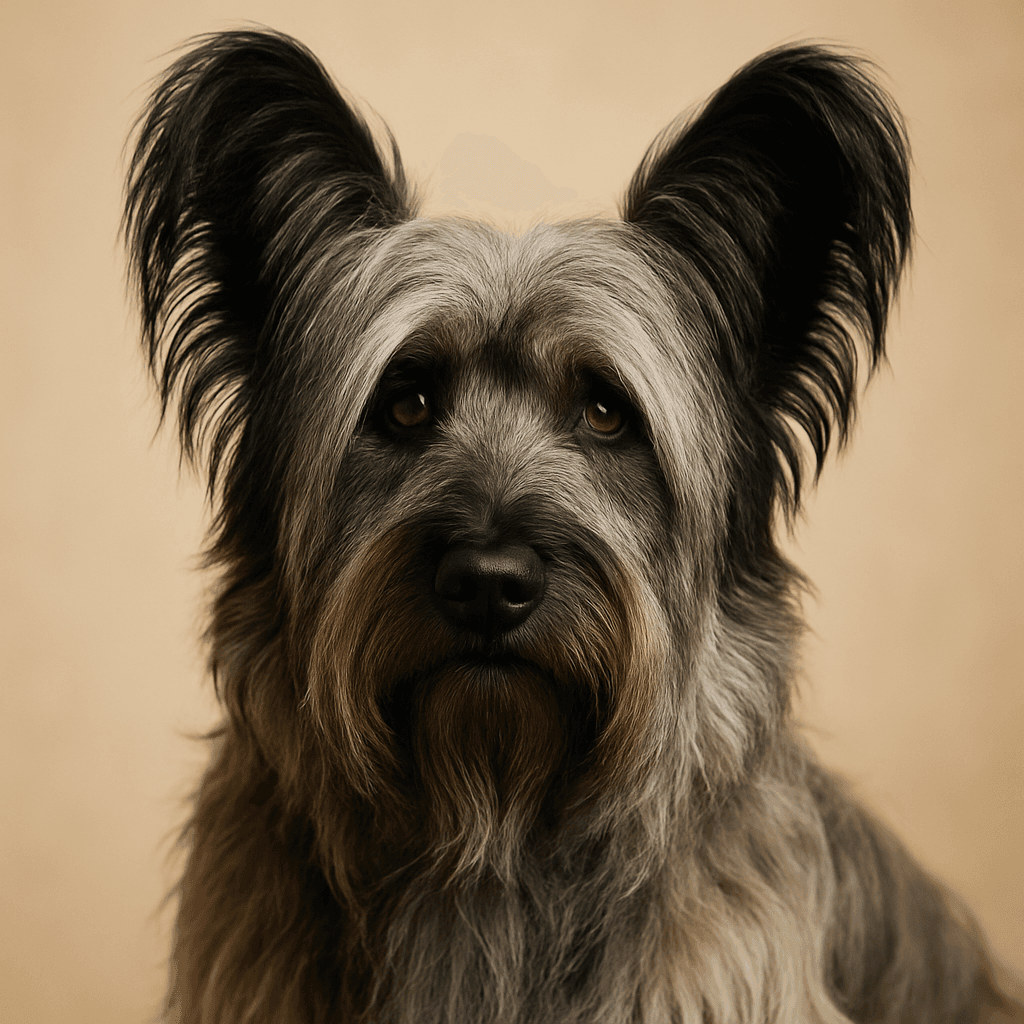
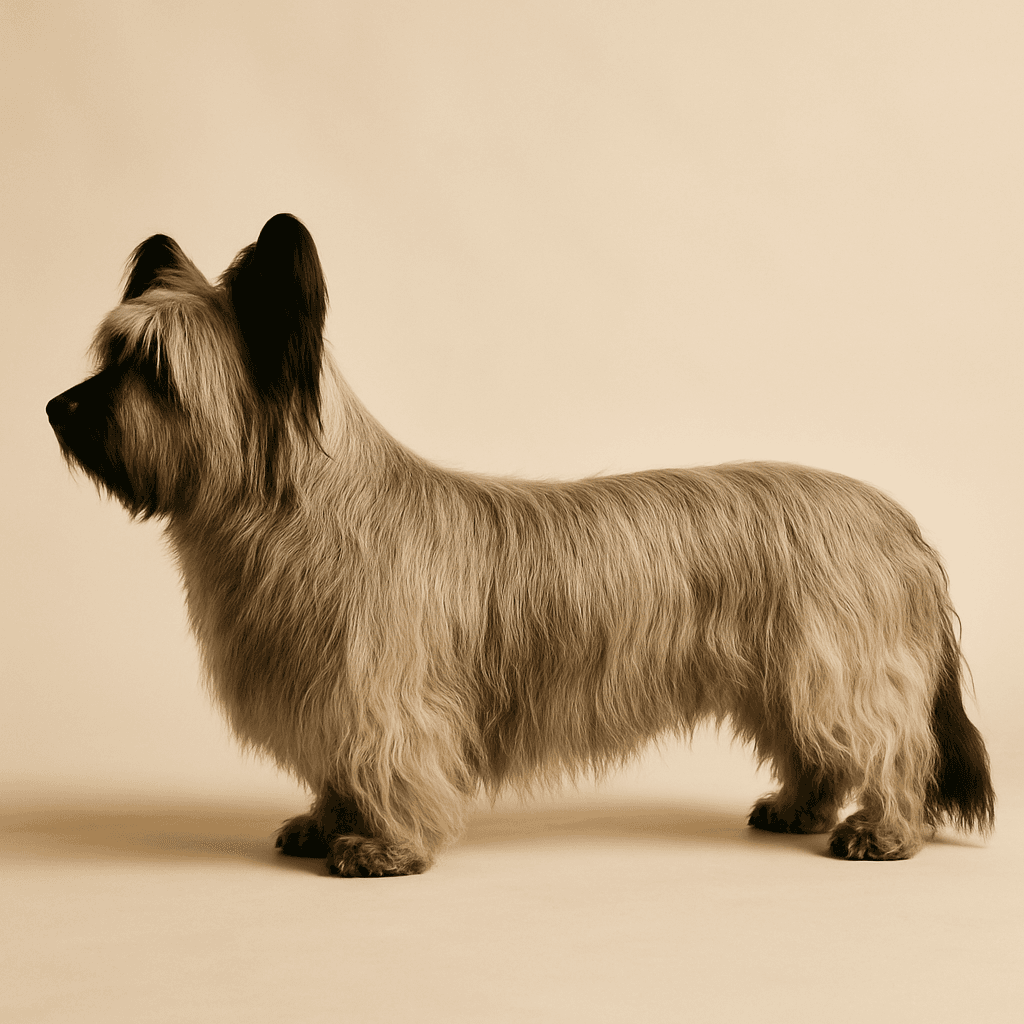
The Skye Terrier is a striking and immediately recognisable dog - low to the ground, twice as long as it is tall, with a profuse, long, flat outer coat that falls either side of the body from a straight parting running from nose to tail, and large, feathered ears that may be either prick or drop. The head is long and the expression alert and intelligent. The coat is hard on the outside with a soft, woolly undercoat. Adults typically stand 23 to 25 centimetres at the shoulder and weigh 8 to 10 kilograms.
The character is one of the most distinctive in the dog world - fiercely devoted to its own person or family to a degree that has become legendary. The story of Greyfriars Bobby, the Skye Terrier who reportedly guarded his owner's grave in Edinburgh for fourteen years after the owner's death in 1858, reflects a trait that is genuinely characteristic of the breed: an intensity of loyalty that borders on obsession. This devotion makes the breed an extraordinarily bonded companion for the right owner while also meaning it is poorly suited to frequent rehoming or handling by many different people.
Training is effective when conducted by the person to whom the dog is bonded, using positive, patient methods. The independent terrier character means the breed will not submit readily to handling by strangers.
Health considerations include Premature Closure of the Distal Radius in puppies and the importance of not over-exercising young dogs before twelve months of age.
Purchase prices from KC-registered, health-tested breeders range from £700 to £1,500. Monthly running costs average £65 to £110. The Skye Terrier Club is the primary resource for breed information, responsible breeders and rescue contact.
Temperament & Personality
Devoted, dignified and courageous. Forms an intense bond with its primary person - the Skye Terrier is one of the most loyal breeds in existence, as illustrated by the famous story of Greyfriars Bobby. Reserved to the point of aloofness with strangers. Independent but deeply affectionate with those it trusts. Not suited to frequent changes of ownership.
Training
Intelligent but deeply loyal to one person and independent in the terrier tradition. Responds well to patient, positive training with the person to whom it is bonded. Can be resistant with unfamiliar handlers. Early socialisation with a wide range of people is important given the reserved character. A consistent, calm approach works best.
Exercise Needs
Needs 45 to 60 minutes of daily exercise. Despite the elegant appearance, the Skye Terrier is a working terrier with drive and stamina. Recall training is important given the prey drive. On-lead management in areas with wildlife is advisable.
Health & Vet Costs
Premature Closure of the Distal Radius (a growth plate condition) has been documented and is associated with excessive exercise in puppies before skeletal maturity - puppies should not be over-exercised in the first year. Autoimmune conditions have been reported. The small population limits comprehensive health data. The Skye Terrier Club is the primary source of health guidance.
Protect your Skye Terrier with the right insurance
Vet costs are rising. Lifetime cover means long-term conditions stay covered for life -- not just 12 months.
Feeding & Nutrition
Feed a high-quality complete food for a small active breed. Two meals daily. Monitor weight - the long coat conceals the body shape and weight gain can be missed. Dental health requires attention.
Feeding your Skye Terrier
How much to feed, which food types suit this breed, and what to avoid.
Grooming & Care
The long, flat, hard outer coat with soft undercoat requires thorough brushing two to three times weekly to prevent matting. The parting runs from nose to tail. Professional grooming several times yearly is standard. The coat should not be clipped as this affects texture.
Costs of Ownership
Purchase price from a KC-registered, health-tested breeder: £700 to £1,500. The breed is very rare. Monthly running costs: £65 to £110.
Is a Skye Terrier Right for You?
Suits patient, experienced owners who appreciate a devoted and dignified companion with terrier independence. Bonds very closely with one person. Reserved with strangers - not aggressive but not sociable. Rare - expect a waiting list from a reputable breeder. A rewarding breed for those who understand and respect the terrier character.
Related Guides
Free newsletter
Get the weekly guide for UK dog owners
Breed spotlights, training tips and health advice delivered every week.