Small Munsterlander
Complete UK breed guide
Quick answer
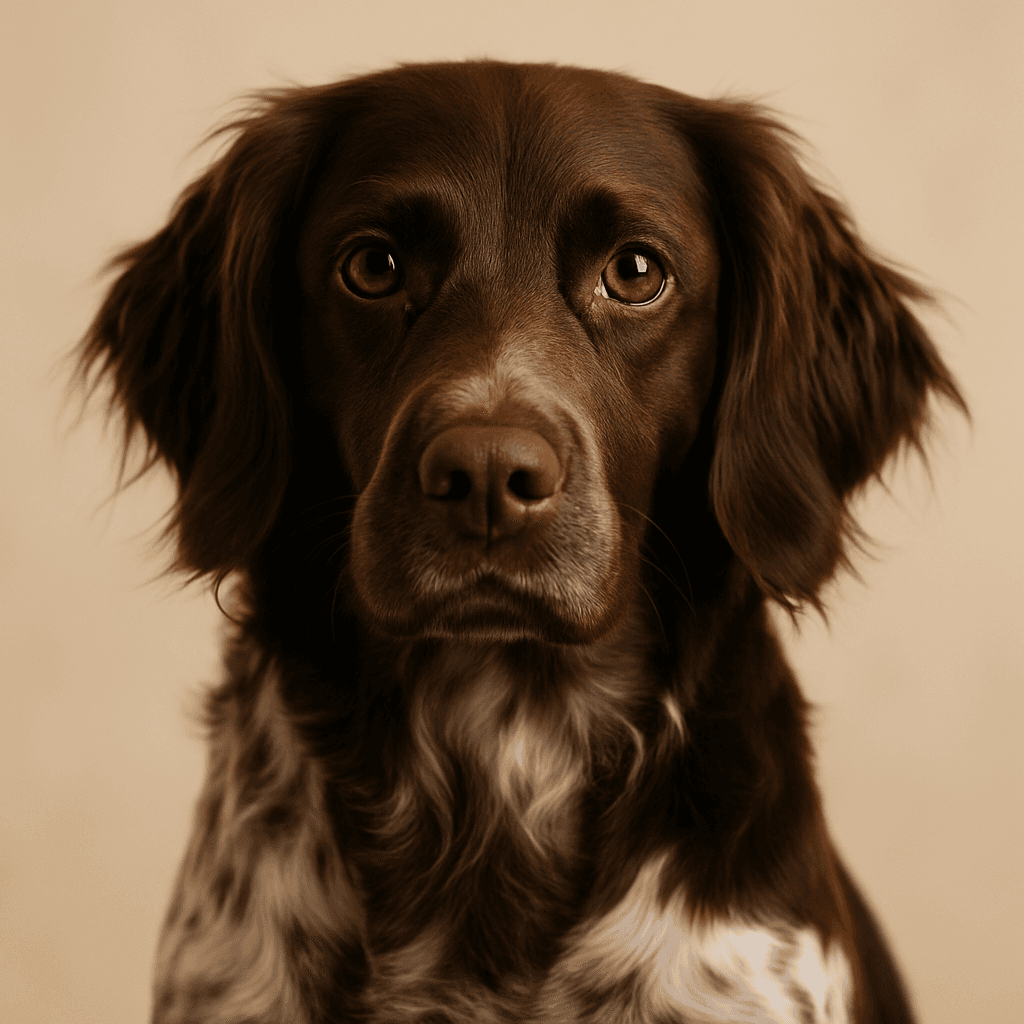
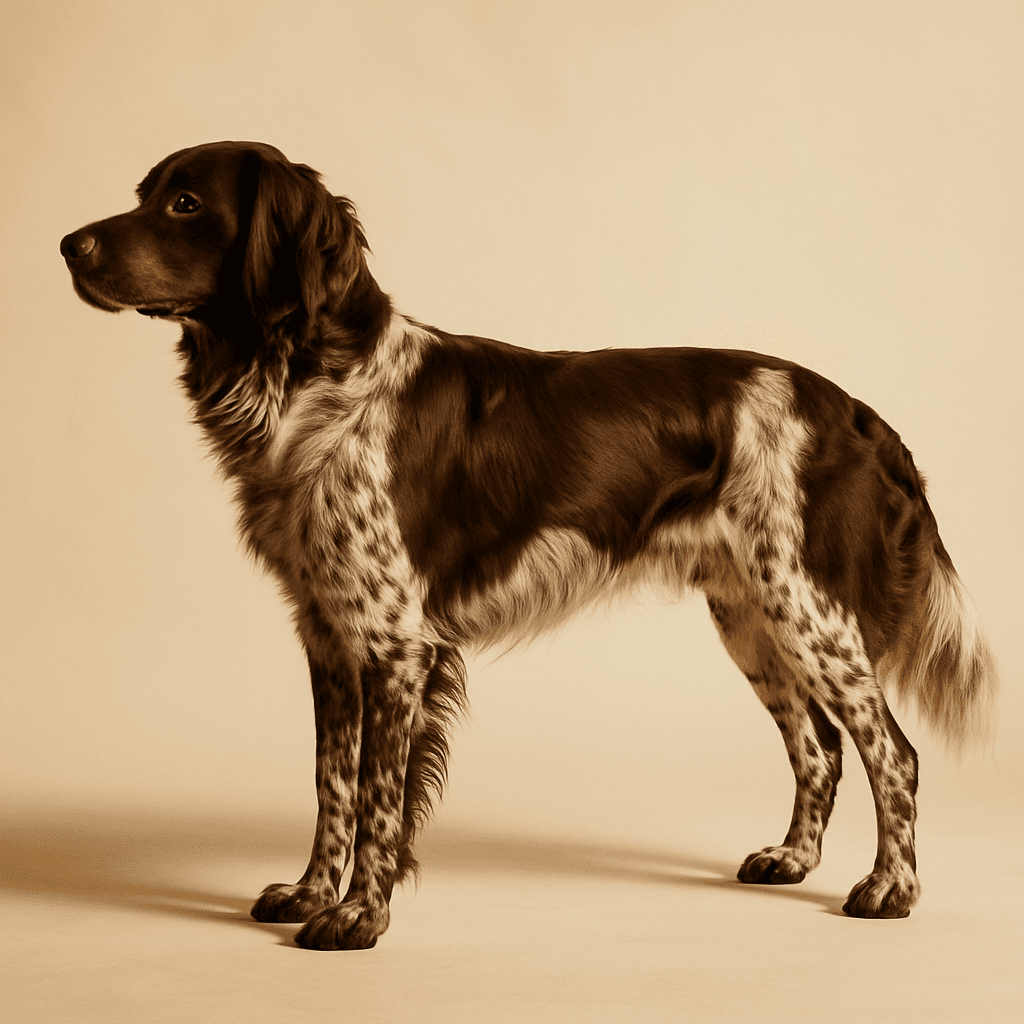
The Small Munsterlander is a versatile German hunt, point and retrieve (HPR) gundog with a distinctive liver and white silky coat. Highly intelligent, energetic and trainable. Needs substantial daily exercise and mental stimulation. KC Gundog Group.
Quick Facts
- Size
- Medium
- Weight
- 18–27 kg
- Lifespan
- 12–14 years
- Breed Group
- Gundog
- Exercise
- 75–90 mins/day
- Activity Level
- High
- Grooming
- Moderate
- Monthly Cost
- £110–£170/month
- Temperament
- —
- Good with Children
- Yes
- Good with Dogs
- Yes
- Good for First Timers
- Yes
- Suits Flats
- No
Breed Overview
The Small Munsterlander is a versatile and highly capable German hunt, point and retrieve (HPR) gundog developed in the Munster region of north-western Germany, primarily in the late nineteenth and early twentieth centuries, as an all-purpose bird dog capable of hunting, pointing and retrieving game in a wide variety of terrain including field, woodland and water. Despite the name, the Small Munsterlander is not simply a smaller version of the Large Munsterlander - the two breeds have separate origins and were developed independently, though they share the general HPR type and the liver and white colouring that is characteristic of both. The breed was formally standardised in Germany in the early twentieth century and has been registered by the Kennel Club in the Gundog Group, maintaining an active following in the United Kingdom both as a working gundog and as an active family companion.
The Small Munsterlander is a medium-sized, well-built and athletic dog with a distinguished and handsome appearance. The coat is medium-length, silky and flat, with characteristic feathering on the ears, chest, back of the legs and tail, and the distinctive liver and white colouring that can appear as roan, patched or ticked patterns. The expression is intelligent, alert and eager - entirely in keeping with a breed developed for demanding field work. Adults typically stand 50 to 56 centimetres at the shoulder and weigh 18 to 30 kilograms.
The character is friendly, intelligent and enthusiastic - a working gundog that retains the drive and capability of a serious field dog while also being genuinely sociable and good-natured in the home. The Small Munsterlander is good with children, sociable with other dogs and open with strangers in a way that distinguishes it from some of the more aloof continental HPR breeds. The working drive is real, however, and the breed needs regular exercise and preferably some form of structured activity or gundog training to remain content.
Training is a genuine pleasure with this breed. The Small Munsterlander is highly intelligent, eager and responsive to positive reinforcement, capable of excellent field performance and equally capable in competitive obedience, tracking and agility.
Health is generally good. Hip Dysplasia testing and eye testing of parents are the primary recommendations.
Purchase prices from KC-registered, health-tested breeders range from £800 to £1,500. Monthly running costs average £80 to £140. The Small Munsterlander Club UK is the primary resource for breed information, health testing, responsible breeders and rescue contact.
Temperament & Personality
Intelligent, friendly, enthusiastic and devoted. Good with children and generally sociable with other dogs. The working gundog drive is present and needs an outlet. Affectionate with its own family. Energetic and playful. Not a guard dog. One of the more family-friendly HPR breeds with a genuinely pleasant temperament.
Training
Highly intelligent and very trainable - one of the more capable HPR breeds in terms of natural working ability and responsiveness. Responds excellently to positive reinforcement. Excels in all gundog disciplines and dog sports. Early socialisation is straightforward given the sociable character. A breed that thrives with regular training activity.
Exercise Needs
Needs a minimum of 90 minutes of vigorous daily exercise. The HPR gundog background produces a dog with real stamina and a drive to work. Fieldwork, agility, tracking and nose work all suit the breed. An under-exercised Small Munsterlander becomes frustrated and destructive.
Health & Vet Costs
Hip Dysplasia testing of both parents is strongly recommended. Eye testing is recommended. The Small Munsterlander Club UK maintains health testing guidance. The breed is generally considered healthy with relatively few hereditary conditions documented.
Protect your Small Munsterlander with the right insurance
Vet costs are rising. Lifetime cover means long-term conditions stay covered for life -- not just 12 months.
Feeding & Nutrition
Feed a high-quality complete food for a medium active breed. Two meals daily. Monitor weight. Working dogs in heavy work may require a higher-energy diet during the season.
Feeding your Small Munsterlander
How much to feed, which food types suit this breed, and what to avoid.
Grooming & Care
The medium-length, silky, flat coat requires brushing two to three times weekly to prevent tangles, particularly in the feathering on the ears, chest, legs and tail. The coat sheds moderately. Professional grooming is rarely needed. Ears require regular checking given the floppy ear canals.
Costs of Ownership
Purchase price from a KC-registered, health-tested breeder: £800 to £1,500. Monthly running costs: £80 to £140.
Is a Small Munsterlander Right for You?
Suits active owners, especially those involved in fieldwork or dog sports. An excellent working gundog and a superb active companion for those who can meet the exercise and mental stimulation requirements. Good with children and generally sociable. Not suited to sedentary households. Needs a job or regular training activity.
Related Guides
Free newsletter
Get the weekly guide for UK dog owners
Breed spotlights, training tips and health advice delivered every week.