
Spaniel (Welsh Springer)
Complete UK breed guide
Quick answer
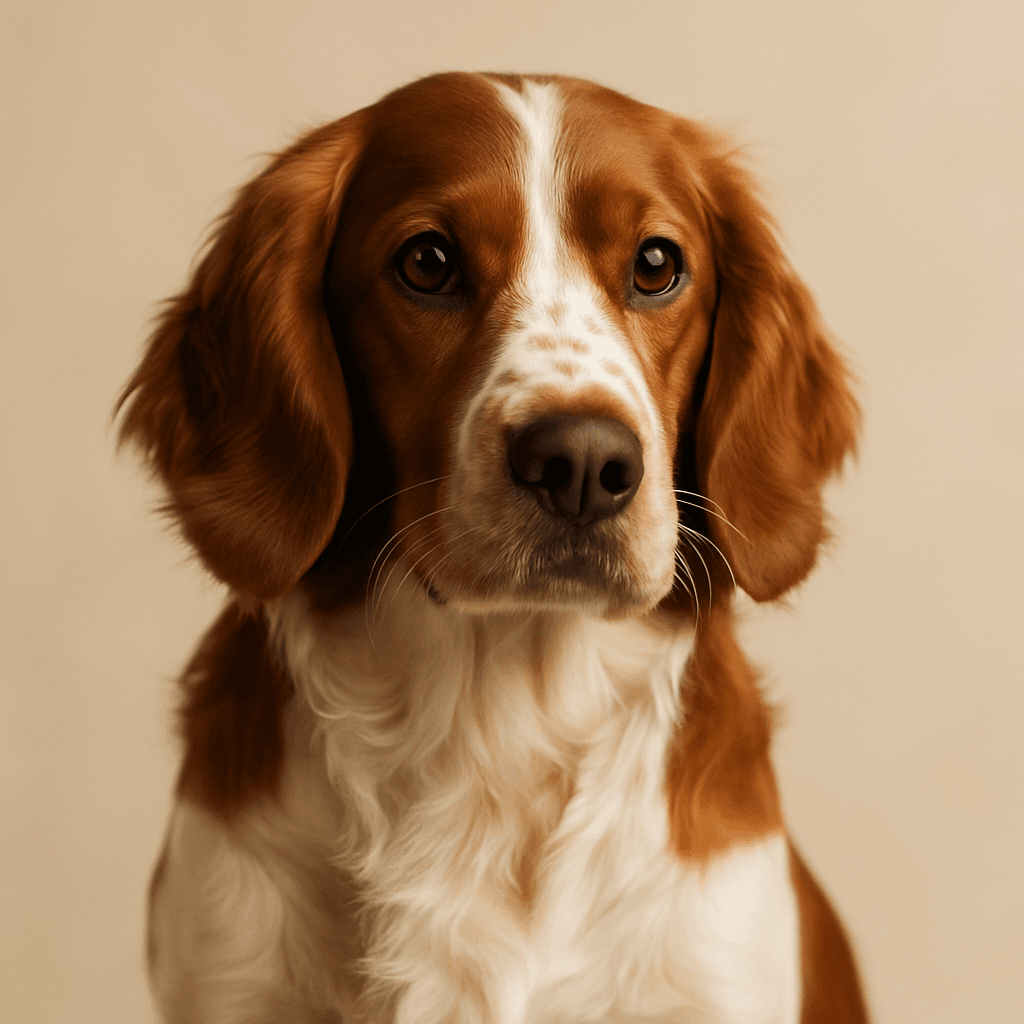
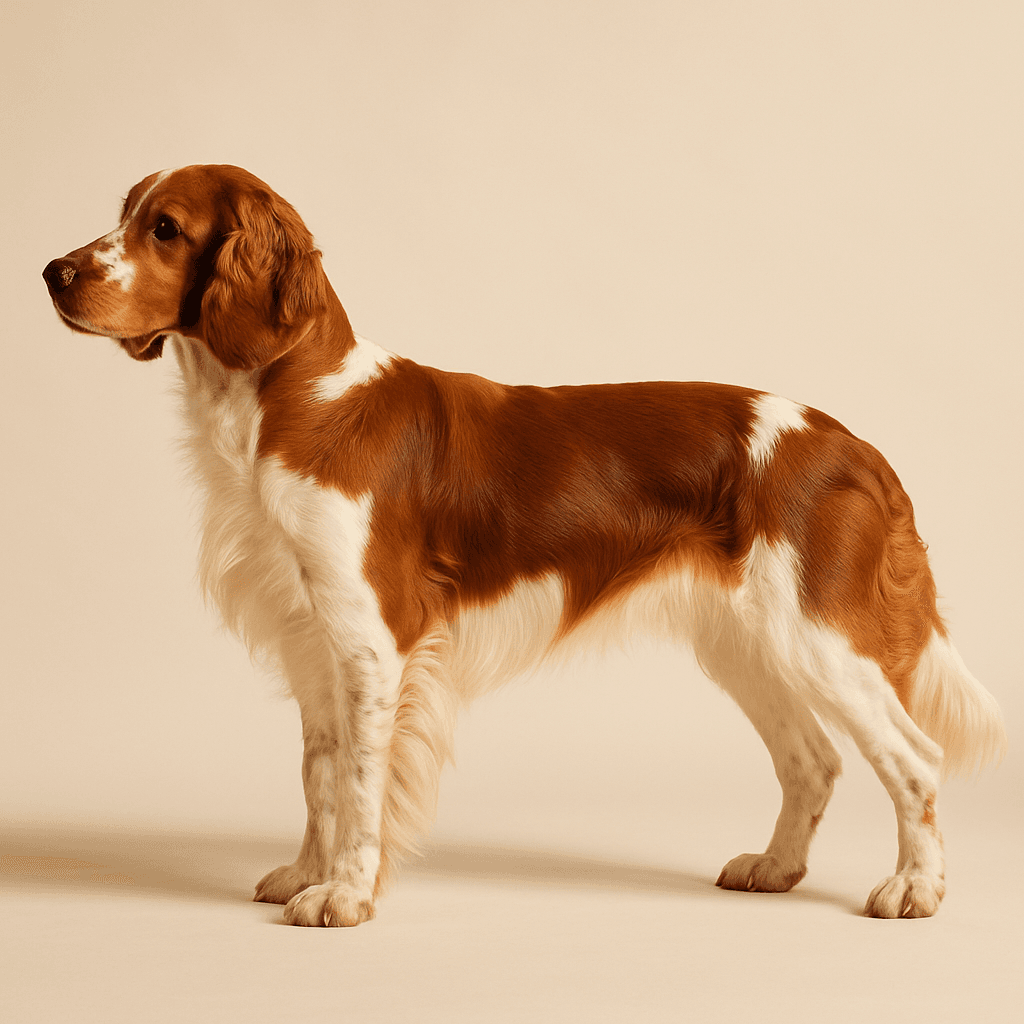
The Welsh Springer Spaniel is a loyal, medium-sized gundog with a distinctive red and white coat. They need 1.5 to 2 hours of daily exercise and are devoted to their family but can be reserved with strangers. Key health issues include hip dysplasia, epilepsy and glaucoma. Lifespan is 12 to 15 years. Purchase prices range from £800 to £1,200.
Quick Facts
- Size
- Medium
- Weight
- 16–20 kg
- Lifespan
- 12–15 years
- Breed Group
- Gundog
- Exercise
- 75–90 mins/day
- Activity Level
- High
- Grooming
- Moderate
- Monthly Cost
- £110–£170/month
- Temperament
- —
- Good with Children
- Yes
- Good with Dogs
- Yes
- Good for First Timers
- Yes
- Suits Flats
- No
Breed Overview
The Welsh Springer Spaniel is a loyal, energetic and handsome gundog registered by the Kennel Club in the Gundog Group. One of the oldest spaniel breeds in the world, with documented history in Wales stretching back centuries, the Welsh Springer is distinguished by its rich red and white coat, sturdy medium build and a devotion to its family that is perhaps its most defining characteristic. It is less common than the English Springer Spaniel, which suits owners who want a distinctive breed with a strong working heritage and a deeply loyal nature.
In the home, Welsh Springers are gentle, warm and thoroughly family-oriented. They form intense bonds with the people they live with and are consistently excellent with children. Their nature is steady and kind rather than boisterous, though they retain the energy and drive of a working gundog. They are not dogs that idle contentedly in a corner: they want involvement, activity and company.
The exercise requirement is substantial. An adult Welsh Springer needs a minimum of 1.5 to 2 hours of vigorous exercise per day, split across two sessions. They thrive with purpose - gundog training, scent work, retrieving and swimming all provide the combination of physical output and mental engagement that suits the breed. Most Welsh Springers love water, and swimming is one of the most natural and effective forms of exercise for them. Without adequate exercise and stimulation, the breed's energy and intelligence will find less welcome outlets.
One temperament characteristic to understand before acquiring a Welsh Springer is its reserve with strangers. Unlike the English Springer Spaniel, which is typically gregarious with everyone, the Welsh Springer tends to be noticeably cautious with people it does not know. This is not aggression, but it can present as shyness or aloofness with strangers if not addressed through broad, positive socialisation from puppyhood. Early exposure to a wide range of people, environments and situations produces confident, well-adjusted adults.
Their attachment to family is also their primary vulnerability. Welsh Springers can become intensely dependent and are prone to separation anxiety if not trained for independence from an early age. Building time alone, starting with minutes and extending gradually, must begin in the first weeks at home. A Welsh Springer left alone without this preparation will become distressed.
Ear care is the most important regular grooming task. The spaniel ear structure creates a warm, moist, enclosed channel prone to infection. Weekly cleaning and ensuring ears are properly dried after every swim or bath are essential preventive habits. Neglected ears lead to repeated otitis, which is painful and expensive.
Health screening matters for this breed. Hip dysplasia, epilepsy and glaucoma all occur at elevated rates. Responsible breeders hip-score both parents and have eye tests including gonioscopy performed to assess glaucoma risk. Ask for evidence of both before buying. Epilepsy history within the breeding lines is also a relevant question. Insurance of £30 to £60 per month reflects a moderate but real health risk profile. Purchase prices from KC-registered breeders range from £800 to £1,200. Lifespan is 12 to 15 years.
The Welsh Springer Spaniel is an outstanding breed for active families who want a loyal, gentle and capable companion. The work required - consistent exercise, early socialisation, independence training, ear care - is real but manageable and repaid in full by a dog of exceptional devotion and character. For owners who commit to meeting its needs, it is one of the most rewarding gundogs available.
The Welsh Springer Spaniel Club of Great Britain maintains a rescue service for the breed. Adult rescue dogs are available periodically and come with full temperament assessments. For owners who prefer to adopt rather than buy a puppy, this is a reliable first contact.
Temperament & Personality
Welsh Springer Spaniels are loyal, affectionate and gentle dogs with a devoted attachment to their family. They are often described as one of the most loyal of the spaniel breeds - deeply bonded to their household in a way that can extend to being shadowy and clingy if not managed.
Within the home they are calm, gentle and willing. They are excellent with children in their family and typically sociable with other dogs and animals. Outside the home, they can be noticeably reserved with strangers - more so than the English Springer Spaniel - which is a temperament characteristic to be aware of and manage through thorough socialisation.
Their working instincts are intact. Given the opportunity, most Welsh Springers will investigate scent, retrieve, flush and work with considerable natural ability. This instinct is best channelled through training and organised activity rather than ignored.
They are sensitive dogs that respond poorly to harsh handling. They form deep emotional connections with their owners and are affected by absence, tension and inconsistency. Building independence from puppyhood is an important management task.
Training
Welsh Springer Spaniels are intelligent, eager to please and generally very trainable, though they retain the spaniel tendency to follow their nose and can be easily distracted in the field.
Positive reinforcement: Food and toy rewards work very well. Welsh Springers are motivated and responsive.
Gundog training: Many Welsh Springer owners pursue formal gundog training, which provides excellent structure, mental stimulation and a practical outlet for the breed's working instincts.
Early socialisation: Particularly important because Welsh Springers can be reserved with strangers if under-socialised. Broad exposure before 16 weeks produces more confident adults.
Recall: Train from day one using high-value rewards. The recall should be reliable before off-lead exercise in open areas.
Separation anxiety: Welsh Springers form intense bonds with their family and can develop separation anxiety if not prepared for time alone from puppyhood.
Exercise Needs
Welsh Springer Spaniels are working gundogs with substantial exercise needs.
Daily exercise: 1.5 to 2 hours per day minimum, ideally split across two sessions.
Off-lead exercise: Welsh Springers generally develop good recall with training and are less likely than some sporting breeds to range widely. However, gundog instincts mean they may follow scent. A reliable recall requires consistent training from puppyhood.
Swimming: Most Welsh Springers love water. Swimming is excellent exercise and a natural outlet for the breed.
Mental stimulation: Gundog training, scent work and retrieval exercises all provide important mental engagement for a working breed.
Puppies: Limit exercise until growth plates have closed at around 12 months. Short, controlled sessions on varied surfaces support joint development.
Health & Vet Costs
Welsh Springer Spaniels are a generally healthy breed but carry several conditions that responsible breeders screen for.
Hip Dysplasia: The breed has a known predisposition to hip dysplasia. The KC/BVA Hip Scoring scheme assesses breeding dogs. Buyers should ask for hip scores on both parents before purchasing a puppy.
Epilepsy: Hereditary epilepsy occurs in Welsh Springer Spaniels. Onset is typically between one and five years. Not all affected dogs require medication; severity varies considerably. Ask breeders about the epilepsy history in their breeding lines.
Glaucoma: The breed has a known elevated risk for primary glaucoma, a painful condition involving increased pressure within the eye that can lead to blindness if untreated. The Kennel Club recommends gonioscopy eye testing of breeding stock. Ask breeders for current eye test results.
Ear infections (otitis): The spaniel ear structure creates a warm, enclosed environment prone to infection. Regular cleaning and drying after water contact are important preventive measures.
Monthly insurance typically costs £30 to £60. Lifespan is 12 to 15 years.
Protect your Spaniel (Welsh Springer) with the right insurance
Vet costs are rising. Lifetime cover means long-term conditions stay covered for life -- not just 12 months.
Feeding & Nutrition
Welsh Springer Spaniels are medium-sized active dogs with straightforward dietary requirements.
Daily food cost: £2 to £3.50 per day depending on food quality and activity level.
Monthly food cost: Approximately £40 to £70 per month.
Feeding routine: Two meals per day for adults. Avoid feeding immediately before or after vigorous exercise.
Weight management: Welsh Springers can gain weight if exercise is reduced. Maintain a lean body condition - visible waist, easily felt ribs.
Ear health: Regular ear cleaning and dry ears after swimming and bathing help prevent otitis. Diet does not directly affect ear health but overall immune function is relevant.
Feeding your Spaniel (Welsh Springer)
How much to feed, which food types suit this breed, and what to avoid.
Grooming & Care
The Welsh Springer's flat, silky red and white coat is less high-maintenance than some spaniel varieties but requires regular attention.
Brushing: Two to three times per week minimum to prevent tangles and remove debris. The feathering on the ears, legs and chest is prone to matting.
Bathing: Every four to six weeks, or after muddy exercise sessions.
Ear care: This is the most important regular grooming task. Spaniel ears trap moisture and debris, making them prone to otitis (ear infection). Clean weekly and ensure ears are properly dried after swimming or bathing.
Professional grooming: Every 8 to 12 weeks for trimming of feathering and general tidying.
Monthly professional grooming cost: £40 to £65.
Nail trimming: Regular trimming or filing, particularly if the dog exercises mostly on soft ground.
Costs of Ownership
Purchase price: £800 to £1,200 from a KC-registered health-tested breeder.
Monthly food: £40 to £70.
Pet insurance: £30 to £60 per month for lifetime comprehensive cover.
Professional grooming: £40 to £65 every 8 to 12 weeks.
Veterinary costs: Routine annual care. Budget for potential hip screening follow-up, epilepsy management if applicable, and ear treatment.
Total estimated monthly running cost: £110 to £180 per month for an adult Welsh Springer in good health.
Is a Spaniel (Welsh Springer) Right for You?
Best suited to: Active families, owners with country or suburban lifestyle, experienced dog owners who appreciate a loyal, intelligent gundog.
Not suited to: Sedentary households, owners who cannot provide substantial daily exercise, those wanting a highly biddable or immediately sociable breed.
Children: Generally very good with children within their own family. Their loyal, gentle nature makes them adaptable family dogs.
Other dogs: Typically sociable and good with other dogs, particularly when well socialised.
Cats and small animals: The spaniel hunting instinct means caution is needed, particularly with birds and small furries, though many Welsh Springers cohabit well with cats when raised with them.
Flat or house: Requires a house with a garden and access to substantial off-lead exercise. Not suited to flat living.
First-time owners: Can suit confident first-time owners who commit to the exercise and training needs.
Related Guides
Free newsletter
Get the weekly guide for UK dog owners
Breed spotlights, training tips and health advice delivered every week.