Teddy Bear Dog
Complete UK breed guide
Quick answer
The Teddy Bear Dog (Shichon or Zuchon) is a Shih Tzu and Bichon Frise cross. Gentle, sociable and low-shedding. Well suited to less active owners, older adults and families with children.
Quick Facts
- Size
- Small
- Weight
- 4–6 kg
- Lifespan
- 12–15 years
- Exercise
- 20–30 mins/day
- Activity Level
- Moderate
- Grooming
- High
- Monthly Cost
- £90–£150/month
- Temperament
- —
- Good with Children
- Yes
- Good with Dogs
- Yes
- Good for First Timers
- Yes
- Suits Flats
- Yes
Breed Overview
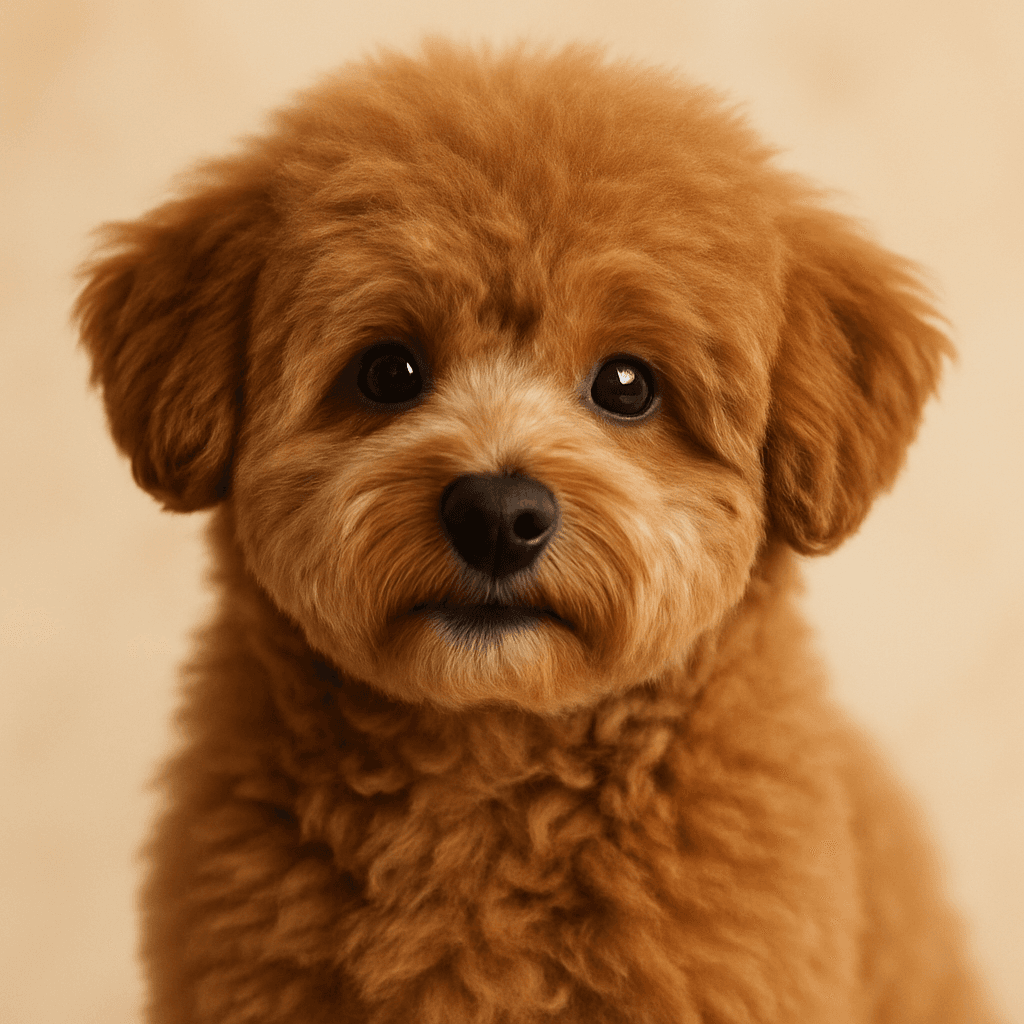
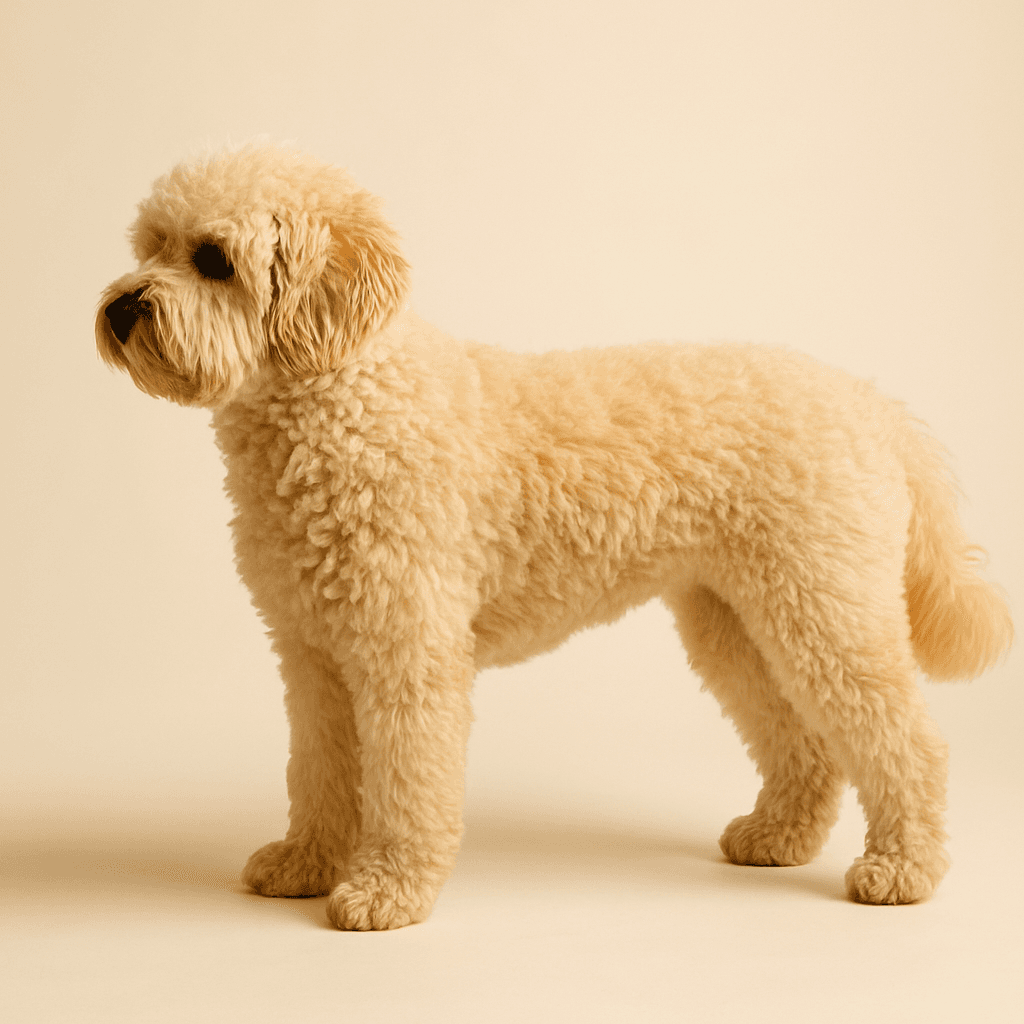
The Teddy Bear Dog is a popular hybrid companion dog produced by crossing a Shih Tzu with a Bichon Frise, known also as a Shichon or Zuchon. The cross combines two small companion breeds with long histories as lapdogs and companion dogs to produce a gentle, low-shedding and sociable small dog that has attracted considerable interest from owners seeking a manageable, affectionate and relatively hypoallergenic companion. The name Teddy Bear Dog refers to the characteristic soft, rounded appearance of the cross - the round face, large dark eyes, soft wavy coat and compact build that together create the resemblance to a stuffed toy that gives the cross its commercial name. The Teddy Bear Dog is not a registered breed with the Kennel Club.
The typical Teddy Bear Dog is a small, compact and soft-coated dog with a gently rounded face, large, dark eyes and a wavy to curly low-shedding coat. Coat colour varies widely - white, cream, gold, brown, black and various combinations all occur. The coat has low to moderate shedding, though truly non-shedding cannot be guaranteed as coat type varies between individuals depending on which parent's traits dominate. Adults typically stand 23 to 30 centimetres at the shoulder and weigh 4 to 8 kilograms.
The character is gentle, affectionate and sociable - a companion dog in the truest sense, bred from two breeds whose entire purpose was human companionship. The Teddy Bear Dog is typically warm, cheerful and easy to live with. It bonds closely with its family and is good with children, other dogs and often cats when properly introduced. The energy level is modest - daily walks and play sessions meet the cross's exercise needs without demanding the sustained physical activity required by working breeds. The cross does not do well when left alone for extended periods and is best suited to households where someone is present for most of the day.
The grooming commitment is meaningful despite the low shedding. The soft, wavy coat mats readily without regular brushing, and professional grooming is typically required every 8 to 10 weeks to keep the coat in good condition. Regular ear checks, dental care and eye cleaning are routine parts of Teddy Bear Dog ownership.
Prospective buyers should exercise considerable care in sourcing. The Teddy Bear Dog name is frequently used in puppy farm advertising, and the appeal of the cross to buyers with no prior dog experience can attract unscrupulous producers. Only purchase from breeders who can provide evidence of health testing of both parents, allow visits to see the litter with its mother, and who demonstrate knowledge of both parent breeds.
Health considerations include eye conditions from both parent breeds, Patellar Luxation assessment and awareness of brachycephalic tendency in individuals with particularly short muzzles. Avoid purchasing puppies with obviously compromised facial conformation that affects breathing.
Purchase prices from responsible breeders range from £800 to £2,000. Monthly running costs average £60 to £100. Shih Tzu Rescue UK and the Bichon Frise Club of Great Britain rescue are the contacts for related animals in rescue.
Temperament & Personality
Gentle, cheerful and affectionate. Bonds closely with family. Good with children and other pets. Sociable and low-energy. Enjoys human company and does not do well alone.
Training
Responsive to positive training. Both parent breeds are sociable and willing. Early socialisation important. Can be stubborn but gentle consistency produces good results.
Exercise Needs
20-30 minutes daily sufficient. Short walks and indoor play adequate. Not suited to intense exercise. Avoid exercising in extreme heat due to the brachycephalic tendency in some individuals.
Health & Vet Costs
Eye conditions from both parent breeds possible. Brachycephalic tendency in some individuals - avoid flat-faced specimens with obvious breathing compromise. Patellar Luxation testing recommended.
Protect your Teddy Bear Dog with the right insurance
Vet costs are rising. Lifetime cover means long-term conditions stay covered for life -- not just 12 months.
Feeding & Nutrition
Small breed complete kibble twice daily. Adults typically 100-180g per day. Avoid overfeeding - small dogs gain weight quickly. Monitor dental health as small breeds are prone to dental disease.
Feeding your Teddy Bear Dog
How much to feed, which food types suit this breed, and what to avoid.
Grooming & Care
Soft, wavy to curly low-shedding coat requires brushing 3-4 times weekly to prevent matting. Professional grooming every 8-10 weeks. Regular ear checks and dental care essential.
Costs of Ownership
Purchase price £800-£2,000 from responsible breeders. Monthly costs £60-£100 including food, insurance, grooming and routine veterinary care.
Is a Teddy Bear Dog Right for You?
Less active owners, older adults, families with children, flat and apartment dwellers. Sociable and adaptable. Not suited to households seeking a high-energy working dog.
Related Guides
Free newsletter
Get the weekly guide for UK dog owners
Breed spotlights, training tips and health advice delivered every week.